Here's why understanding demand generation vs Inbound marketing matters: choosing the wrong approach can mean misused budget, misaligned teams, and missed revenue targets. The good news? Once you understand how these strategies actually work together, you can build a marketing engine that drives real results.
Let's clear up the confusion and show you exactly how to leverage both approaches to accelerate your growth.
Table of Contents
- What is demand generation?
- What is Inbound marketing?
- Demand Generation vs Inbound Marketing: Key Differences
- How to Integrate Demand Generation and Inbound Marketing
- When to Use Each Strategy
- Measuring Success: KPIs for Each Approach
- Team Structure and Alignment
- Loop Marketing: The Next Evolution
- Frequently Asked Questions
.webp?)
Free Marketing Software
Easy marketing tools that deliver fast time-to-value, unified in one place.
- AI Tools
- Email Marketing
- Social Media Management
- And More!
What is demand generation?
Demand generation is a comprehensive marketing strategy for creating awareness, interest, and desire for your products or services throughout the entire buyer journey.
Unlike traditional lead generation that focuses solely on capturing contact information, demand generation encompasses everything from initial brand awareness to customer retention.
Demand generation is a broad marketing strategy that combines both inbound tactics (content marketing, SEO, social media) and outbound approaches (paid ads, email outreach, account-based marketing) to meet prospects wherever they are in their journey.
Key Demand Generation Tactics
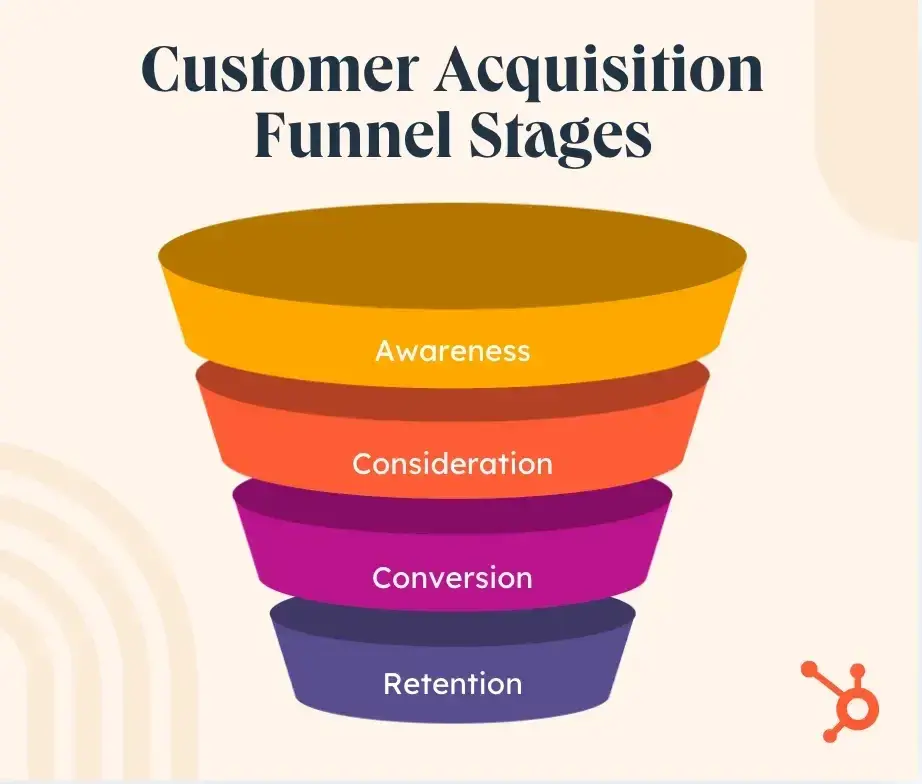
- Awareness stage: Paid search, display advertising, podcast sponsorships
- Consideration stage: Webinars, case studies, comparison guides
- Decision stage: Product demos, free trials, sales enablement content
- Retention stage: Customer success programs, upsell campaigns
The goal? Build a predictable pipeline that feeds your sales team qualified opportunities while establishing your brand as the go-to solution in your market. According to the State of Marketing Report, companies using integrated demand generation approaches achieve 23% higher pipeline conversion rates compared to those using isolated tactics.
Pro tip: HubSpot provides tools to manage both demand generation and inbound marketing strategies, allowing you to track how every tactic contributes to revenue with Marketing Hub.
What is inbound marketing?
Inbound marketing is a methodology that relies on brand- and search-optimized content to attract customers and grow your business.
Inbound marketing attracts customers by creating valuable content and experiences tailored to them. Instead of interrupting prospects with unwanted outreach, you become the resource they seek out when they're ready to solve their problem.
Inbound marketing is a marketing approach that relies on earning attention rather than buying it. You create content that answers your prospects' questions, solves their challenges, and guides them through their buying journey — all while building trust and authority in your industry.
Core Inbound Marketing Tactics
SEO-optimized content: Blog posts, pillar pages, and comprehensive guides that rank for your target keywords and drive organic traffic. This content attracts prospects actively searching for solutions.
Social media engagement: Organic posts and community building on LinkedIn, Twitter, and industry forums where your audience naturally congregates. Focus on providing value rather than promotional messaging.
Email nurturing: Permission-based campaigns that deliver value to opted-in subscribers. These sequences educate prospects over time, moving them from awareness to decision.
Interactive content: Calculators, assessments, and tools that provide personalized insights. These resources generate engagement while capturing valuable data about prospect needs.
Thought leadership: Original research, expert commentary, and strategic insights that position your brand as an industry authority. This content gets shared, cited, and attracts high-quality backlinks.
The magic happens when prospects find you through search, consume your content, and raise their hand because they trust your expertise, and not because you interrupted their day with a cold call or unsolicited email.
Demand Generation vs Inbound Marketing: Key Differences
While demand generation and inbound marketing share the goal of driving revenue, they differ significantly in scope, tactics, and measurement. Understanding these distinctions helps you deploy each strategy effectively.
Side-by-Side Comparison of Demand Generation and Inbound Marketing
|
Aspect |
Demand Generation |
Inbound Marketing |
|
Scope |
Encompasses all marketing activities that drive awareness and revenue — both inbound and outbound |
Focuses specifically on attracting prospects through valuable content and organic channels |
|
Primary Goal |
Create demand and accelerate pipeline across the full buyer journey |
Attract and convert prospects through helpful, educational content |
|
Core Tactics |
Paid advertising, ABM, sales enablement, event marketing, email outreach, partner marketing, content syndication |
SEO, content marketing, social media, email nurturing (opted-in only), organic community building |
|
Audience Reach |
Broader reach including cold audiences, warm prospects, and active buyers |
Self-selecting prospects actively researching solutions |
|
Content Approach |
Mix of gated and ungated assets, promotional and educational |
Primarily educational and helpful, focusing on organic discovery |
|
Channel Strategy |
Multi-channel including paid, owned, and earned media |
Primarily owned and earned media through organic channels |
|
Key Metrics |
Pipeline generated, customer acquisition cost (CAC), revenue influenced, marketing-qualified leads (MQLs), sales-qualified leads (SQLs), deal velocity |
Organic traffic, content engagement, conversion rates, lead quality scores, cost per lead, SEO rankings |
|
Timeline |
Can generate immediate results with paid tactics, long-term brand building |
Typically 3-6 months to see significant organic traction |
The Real Difference between Demand Generation and Inbound Marketing
Demand generation is a broad marketing strategy that creates awareness and interest, while inbound marketing is a marketing approach that attracts leads through helpful, relevant content. Put simply, demand generation casts a wider net using multiple tactics, while inbound marketing focuses on magnetic content that pulls prospects in.
Think of it this way: if your ideal customer isn't actively searching for your solution yet, demand generation helps create that initial awareness. Once they start researching, inbound marketing ensures they find you first — and trust you most.
The bottom line? Inbound marketing is a critical component of demand generation — not a replacement for it. Demand generation includes inbound marketing as one of its tactics, alongside paid media, events, partnerships, and more. The most successful B2B companies use inbound to build trust and authority while leveraging broader demand generation tactics to accelerate growth.
How to Integrate Demand Generation and Inbound Marketing
The most effective marketing strategies don‘t choose between demand generation and inbound marketing — they orchestrate both approaches to work in harmony. Here’s how to build an integrated strategy that maximizes your results.
1. Start with your buyer journey.
Map out how your ideal customers actually make purchasing decisions. You'll likely find they bounce between research (inbound) and evaluation (demand gen) multiple times before buying.
What I like: Use HubSpot's buyer persona templates to document this journey. Understanding where prospects seek information versus where they need activation helps you deploy the right tactic at the right time.
2. Layer your tactics strategically.
The key to integration is strategic layering:
Build your foundation with inbound content that establishes authority and captures early-stage interest. This creates a content library that supports all your demand generation efforts.
Deploy demand generation tactics to accelerate prospects through the funnel. Use retargeting ads to reach prospects who engaged with your content. Promote high-performing blog posts through paid channels to expand reach.
Combine both for maximum impact. For example, create an in-depth SEO-optimized guide (inbound), then promote it through LinkedIn ads to your target accounts (demand gen), and follow up with a webinar invitation to engaged readers (demand gen meets inbound).
Free Marketing Software
Easy marketing tools that deliver fast time-to-value, unified in one place.
- AI Tools
- Email Marketing
- Social Media Management
- And More!
3. Align your teams for success.
Break down silos between content, demand gen, and sales teams. Everyone should understand how their efforts contribute to the larger revenue goal.
Weekly sync meetings keep teams informed about what's working. Share insights about which content is driving pipeline, which campaigns are converting, and where prospects are getting stuck.
Shared dashboards in Marketing Hub provide visibility into the full funnel. When your content team sees which blog posts generate SQLs, they create more of what works. When demand gen sees which topics drive engagement, they know what to amplify.
Regular pipeline reviews keep everyone focused on revenue impact, not vanity metrics. Measurement of success requires tracking KPIs like lead volume, conversion rate, and pipeline contribution — metrics that matter to the business.
4. Measure what matters.
Track both leading indicators (traffic, engagement, content downloads) and lagging indicators (pipeline generated, revenue influenced, customer acquisition cost).
HubSpot's Marketing Hub lets you connect content performance directly to revenue impact, proving ROI for both approaches. This attribution clarity helps you optimize budget allocation and double down on what's actually driving results.
The companies winning today aren‘t picking sides — they’re using inbound marketing to build trust and demand generation to scale growth. Demand generation and inbound marketing can be used together for maximum growth. That's how you create a revenue engine that actually works.
When to Use Each Strategy
Knowing when to emphasize demand generation versus inbound marketing depends on your specific business context, resources, and goals.
Prioritize demand generation when:
- You need faster results. Paid tactics can generate pipeline within weeks, while organic inbound typically takes 3-6 months to gain traction.
- You're launching a new product or entering a new market. Demand generation creates awareness where none exists, educating the market about problems they didn't know they had.
- You have clear ideal customer profiles and can target precisely. Account-based marketing and targeted campaigns work exceptionally well when you know exactly who you're trying to reach.
- You're facing aggressive growth targets. When you need to scale quickly, demand generation accelerates the pace by reaching more prospects faster.
- Your competitors dominate organic search. If the top 10 results are locked up by established players, paid channels and creative demand gen tactics help you break through.
Best for: Enterprise B2B companies with marketing budgets, businesses in crowded markets, companies with short sales cycles, and those with proven product-market fit looking to scale.
Prioritize inbound marketing when:
- You're building long-term authority in a competitive market. Inbound content compounds over time — a blog post ranking #1 for a high-value keyword can drive leads for years.
- You have limited budget but abundant expertise. If you can't outspend competitors on ads, you can out-teach them with better content. This is particularly effective for startups and growing companies.
- Your sales cycle is long and education-heavy. Complex B2B solutions require extensive buyer education. Inbound content pre-qualifies prospects and shortens sales cycles by addressing objections before the first call.
- You're in a high-trust industry. For professional services, healthcare, financial services, and other trust-dependent sectors, inbound marketing builds credibility that paid ads simply can't buy.
Best for: B2B SaaS companies, professional services firms, agencies, and businesses targeting technical buyers who do extensive research before engaging with sales.
The Integrated Approach
Most companies benefit from a hybrid strategy:
- Months 1-3: Heavy emphasis on inbound foundation (content creation, SEO optimization, social presence)
- Months 4-6: Layer in demand generation tactics (paid promotion of best content, webinars, events)
- Months 7+: Optimize the integrated engine based on data, doubling down on highest-ROI activities
This phased approach lets you build sustainable organic channels while using demand generation to accelerate results. HubSpot provides tools to manage both demand generation and inbound marketing strategies, making this integration seamless rather than siloed.
Measuring Success: KPIs for Each Approach
How you measure success depends on which strategy you're deploying — though the ultimate metric for both is revenue generated.
Demand Generation KPIs
Pipeline metrics:
- Marketing-sourced pipeline (dollar value)
- Pipeline velocity (time from MQL to closed-won)
- Opportunity creation rate
- Deal size influenced by marketing
Campaign performance:
- Return on ad spend (ROAS)
- Cost per MQL and SQL by channel
- Campaign attribution and influence
- Multi-touch attribution insights
Account engagement:
- Target account penetration rates
- Account engagement scores
- Buying committee coverage
- Deal acceleration metrics
Revenue metrics:
- Customer acquisition cost (CAC)
- Marketing-attributed revenue
- CAC payback period
- Lifetime value to CAC ratio
Inbound Marketing KPIs
Traffic metrics:
- Organic search traffic growth month-over-month
- Referral traffic from high-authority sources
- Direct traffic (brand awareness indicator)
Engagement metrics:
- Average time on page for key content
- Pages per session
- Scroll depth and content consumption rates
- Email open and click-through rates
Conversion metrics:
- Visitor-to-lead conversion rate
- Lead-to-MQL conversion rate
- MQL-to-SQL conversion rate
- Cost per lead (should decrease over time as organic compounds)
SEO performance:
- Keyword rankings for target terms
- Domain authority and quality backlinks
- Featured snippet captures
- Search visibility scores
Pro tip: Focus on conversion rate over raw traffic. 1,000 highly targeted visitors who convert at 10% beat 10,000 random visitors who convert at 0.5%.
Attribution Challenges and Solutions
The biggest challenge in measuring demand generation vs inbound marketing effectiveness is attribution. Buyers rarely convert after a single touchpoint — they engage with multiple pieces of content across various channels before becoming customers.
Solution: Use multi-touch attribution models in Marketing Hub that assign credit across the entire journey. This reveals how inbound content and demand generation tactics work together to close deals.
Free Marketing Software
Easy marketing tools that deliver fast time-to-value, unified in one place.
- AI Tools
- Email Marketing
- Social Media Management
- And More!
Team Structure and Alignment
Successfully executing both demand generation and inbound marketing requires thoughtful team design and clear role definition.
Do you need separate teams?
The answer depends on your company size and complexity:
Small teams (1-5 marketers): One integrated team handles both approaches. Everyone contributes to content creation while also running campaigns. This works well when you're still finding product-market fit and need flexibility.
Mid-size teams (6-15 marketers): Create specialized pods:
- Content and SEO team (inbound focus)
- Demand generation and campaigns team
- Marketing operations and analytics
- Shared resources: design, video, marketing ops
Large teams (15+ marketers): Fully separate teams with dedicated leadership:
- VP of Demand Generation (paid media, events, ABM, field marketing)
- VP of Content and Brand (SEO, editorial, thought leadership)
- VP of Marketing Operations (systems, attribution, reporting)
What we like about the pod model: Cross-functional pods that own specific segments or buyer personas. Each pod has content creators, demand gen specialists, and a data analyst — ensuring both approaches serve the same customers.
Critical Collaboration Points
Regardless of structure, these handoffs must be seamless:
Content to Demand Gen: High-performing content gets promoted through paid channels. Demand gen teams need visibility into what's resonating organically.
Demand Gen to Content: Campaign insights inform content strategy. If paid ads highlighting a specific pain point convert well, create in-depth inbound content on that topic.
Marketing to Sales: Both inbound leads and demand gen MQLs need clear handoff criteria. Service level agreements (SLAs) ensure leads get followed up quickly.
Sales to Marketing: Sales feedback about lead quality and common objections should shape both content topics and campaign targeting.
Loop Marketing: The Next Evolution
As we look at the evolution of marketing strategies, a new approach is emerging that builds on the foundations of both demand generation and inbound marketing: Loop Marketing.
Loop Marketing represents the next evolution of how businesses attract, engage, and retain customers. While inbound marketing revolutionized how we think about attraction (earning attention rather than buying it), and demand generation showed us how to orchestrate multiple tactics for growth, Loop Marketing takes this further by creating self-reinforcing cycles where customer success directly fuels new customer acquisition.
How Loop Marketing Differs
Traditional inbound marketing creates a linear path: stranger → visitor → lead → customer. Demand generation accelerates this path with targeted campaigns. But Loop Marketing creates continuous cycles where:
Existing customers become your best marketers through authentic advocacy, detailed reviews, and referrals that carry more weight than any content you could create.
Product usage data informs content strategy in real-time. Instead of guessing what prospects care about, you know exactly what successful customers do — and create content that helps prospects follow that path.
Community becomes the channel. Rather than just publishing content or running campaigns, you facilitate connections between customers, prospects, and advocates. The community itself generates valuable, authentic content that attracts new prospects.
Attribution becomes holistic. Loop Marketing tracks not just the first touch and last touch, but the continuous relationship between customer success, retention, expansion, and new customer acquisition.
Integrating Loop Marketing with Your Existing Strategy
Loop Marketing doesn't replace demand generation or inbound marketing — it enhances both by adding a critical feedback mechanism:
Your inbound content now includes customer stories, community-generated insights, and product-usage data that makes it more relevant. Your demand generation campaigns leverage customer advocates, verified reviews, and success metrics that make messaging more credible.
Most importantly, Loop Marketing closes the loop (hence the name) between customer success and new customer acquisition. Happy customers don't just renew — they actively reduce your CAC by generating qualified referrals and authentic social proof.
Loop marketing is best for: B2B SaaS companies, subscription businesses, and organizations with strong product-led growth models where customer success directly influences acquisition. Companies implementing Loop Marketing principles see referral rates increase by 40-60% while simultaneously improving content relevance and campaign performance.
As you build your integrated demand generation and inbound marketing engine, consider how Loop Marketing principles can create compounding returns. The goal isn‘t just to acquire customers — it’s to turn them into a self-sustaining growth engine.
Frequently Asked Questions
Is demand generation part of marketing?
Yes, demand generation is a subset of marketing that focuses on creating awareness and driving revenue throughout the buyer journey. Demand generation is a broad marketing strategy that includes both inbound and outbound tactics, making it broader than inbound marketing alone but still under the marketing umbrella. It encompasses everything from brand awareness campaigns to sales enablement to customer advocacy programs.
Which should I prioritize first: demand generation or inbound marketing?
Start with your business goals and resources. If you need quick wins and have budget for paid channels, lean into demand generation tactics like paid search and targeted campaigns. If you're building long-term authority and have time to invest (typically 3-6 months to see results), prioritize inbound marketing with content creation and SEO.
Most successful companies do both — starting with inbound as the foundation and adding demand generation tactics to accelerate growth. Build your content library first, then amplify your best-performing assets through paid promotion.
Pro tip: If you're resource-constrained, focus 70% of effort on inbound to build sustainable organic channels, and 30% on selective demand generation tactics that amplify your content.
Do I need separate teams for demand generation and inbound marketing?
Not necessarily. Team structure depends on company size:
Small teams (1-5 people): One integrated team handles both. Everyone contributes to content while also running campaigns.
Mid-size teams (6-15 people): Create specialized pods with a content/SEO team and a campaigns team, but ensure close collaboration.
Large organizations (15+ people): Separate teams make sense, but they must align on strategy, share dashboards, and coordinate on high-impact initiatives.
The key isn‘t separation — it’s clarity around who owns what, how teams collaborate, and how success gets measured. HubSpot provides tools to manage both demand generation and inbound marketing strategies in one platform, making coordination easier regardless of team structure.
How long does it take to see results from each approach?
Inbound marketing typically requires 3-6 months to gain meaningful traction. You're building organic authority, which compounds over time. Month one might generate 10 MQLs from organic search; month six could generate 100+ as your content library expands and rankings improve.
Demand generation with paid tactics can show results in weeks. Launch a targeted LinkedIn campaign on Monday, and you might have qualified meetings by Friday. However, paid results stop when budget stops, while inbound keeps delivering.
The integrated approach shows the fastest path to sustainable growth: quick wins from demand gen tactics while building the inbound foundation that reduces cost per lead over time.
Measurement of success requires tracking both leading indicators (early engagement signals) and lagging indicators (pipeline and revenue) across both approaches.
What's the biggest misconception about demand generation vs inbound marketing?
The biggest myth? That demand generation is just about quantity while inbound is about quality. Truth is, modern demand generation is incredibly targeted (think account-based marketing hitting exactly 500 target accounts), and scaled inbound can generate massive volume (top blogs driving 100,000+ visitors monthly).
Another misconception about demand generation vs inbound marketing is that these are competing strategies you must choose between. In reality, demand generation and inbound marketing can be used together for maximum growth. The most successful companies view them as complementary — inbound builds trust and authority, demand generation accelerates the journey and expands reach.
The Bottom Line: It's Not Either/Or
Here‘s what matters: demand generation and inbound marketing aren’t competing philosophies — they're complementary strategies that work better together. Inbound builds the foundation of trust and authority. Demand generation accelerates your path to revenue.
The companies crushing it in 2025 aren‘t picking sides. They’re using inbound content to attract the right prospects, then activating demand generation tactics to turn interest into pipeline. They're measuring everything, optimizing constantly, and aligning their teams around revenue.
As Loop Marketing principles gain adoption, the most sophisticated organizations are closing the loop between customer success and new customer acquisition, creating growth engines that compound over time.
Ready to build an integrated strategy that actually drives growth? Start by auditing your current approach. Map out where inbound and demand generation can work together in your buyer journey. Then test, measure, and scale what works.
Editor's note: This post was originally published in March 2023 and has been updated for comprehensiveness.
Free Marketing Software
Easy marketing tools that deliver fast time-to-value, unified in one place.
- AI Tools
- Email Marketing
- Social Media Management
- And More!


![Millennials vs. Gen Z: Why Marketers Need to Know the Difference [New Data]](https://53.fs1.hubspotusercontent-na1.net/hubfs/53/Untitled%20design%20-%202024-05-14T151228.178.jpg)


![How to Develop a Successful Marketing Mix Strategy [+ Templates]](https://53.fs1.hubspotusercontent-na1.net/hubfs/53/marketing-mix-1.webp)