.png?width=112&height=112&name=Image%20Hackathon%20%E2%80%93%20Vertical%20(39).png)

When you think of leadership resources, terms like ROI, budget, and management might come to mind. But the data is in.
There's a new way to think about leadership. It's time to focus on the relationships that are essential to business success.
→ Click here to download leadership lessons from HubSpot founder, Dharmesh Shah [Free Guide].
According to a 2021 Gallup report, only 20% of employees feel engaged at work. Low employee engagement is a quality of life issue, and it’s also expensive. Low engagement costs companies $8.1 trillion per year.
Whether you’re starting your first job or managing a tough team, these resources for leadership development can help. These are the tools that can help you thrive both personally and professionally.

Leadership Resources for Any Stage of Your Career
- The Radical Candor Framework
- No Straight Path
- LinkedIn Learning
- TED Radio Hour
- Blinkist
- Side Hustle Pro
- Toastmasters
- Rapport Leadership Training
- Bunch
- Simon Sinek’s InspireU
- MindTools
- Brené Brown's Dare to Lead Hub
- HubSpot Academy
- Dale Carnegie Training
- How I Built This
- HubSpot Podcast Network
While there are many qualities that make someone a great leader, this list focuses on three areas that anyone can use:
Leadership Resources for Empathy
Leadership Resources for Communication
Leadership Resources for Support and Development
Let’s get started.
Leadership Resources for Empathy
Empathy makes it onto every top ten list for leadership qualities. Empathy can improve:
- Innovation
- Engagement
- Retention
- Inclusivity
But a 2021 EY study says that 54% of employees left their jobs because of a lack of empathy from their boss.
These resources can help you be a more empathetic and authentic leader. And they can help you whether you’re working to support your teammates or leading your own team.
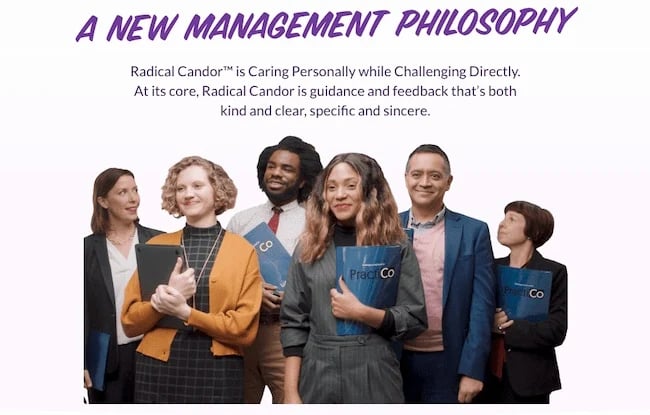
1. The Radical Candor Framework
Book, Podcast, and Workshops
Price: $18 for the book, cost varies for other services
Commitment: Varies depending on the services you choose
What it offers:
After an important presentation, Kim Scott's boss, Sheryl Sandberg– yes, the one who wrote Lean In – had some feedback. Harsh feedback. The kind of feedback that stings. But because Scott knew that Sandberg was coming from a compassionate place when giving her feedback, Scott accepted it, moved on, and became better.
Scott took this pivotal interaction and used it to develop a framework for giving better feedback at work. It’s a framework for feedback that embraces both brutal honesty and profound empathy.
Why we like this leadership resource:
The Radical Candor Framework offers worthy advice on how to add empathy to your interactions at work. It’s a useful tool for leaders at any point in their careers.
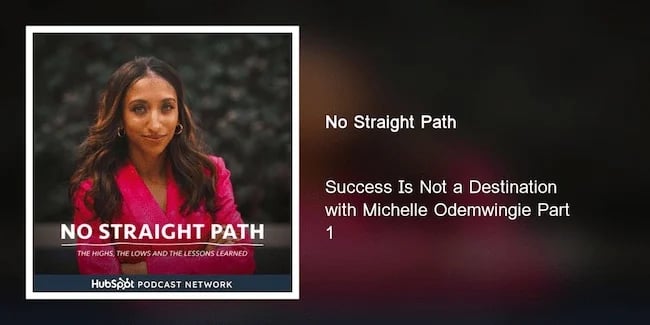
2. No Straight Path
Podcast
Price: Free
Commitment: 30-50 minutes per week
What it offers:
This new HubSpot podcast hosted by Ashley Menzies Babatunde examines the human stories behind the glossy façade of business leadership.
Instead of drawing a clear line from start to success, Menzies unpacks the ups and downs of life. This podcast talks about how setbacks and unexpected gifts can form a path toward leadership and achievement.
Why we like this free leadership resource:
Tactical business podcasts can often skip the challenges or put a positive spin on hard moments. This show offers a fresh alternative. It emphasizes the quality of empathy not just for others, but also for yourself.
3. LinkedIn Learning
Online courses
Price: $19.99 a month for an annual subscription

Commitment: Course times vary from 20 minutes to 5+ hours
What it offers:
If there's a professional skill you want to advance, chances are, LinkedIn Learning has a course for it. It offers classes in everything from Excel, to audio production, to coding.
Why we like these resources for leadership development:
Their programming doesn’t just teach traditional ideas about leadership. Top-rated courses in 2021 included:
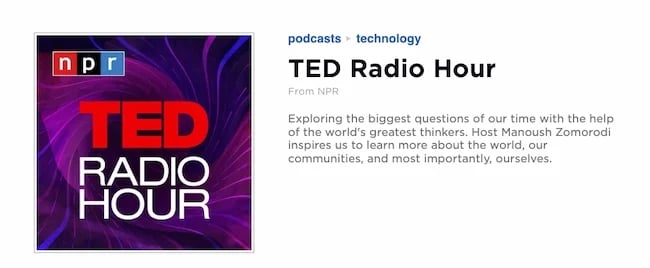
4. TED Radio Hour
Podcast
Price: Free
Commitment: About an hour, once a week
What it offers:
Around here, we love a good TED talk. But trying to pick just one out of volumes of valuable presentations is as tricky as trying to pick one thing to watch on Netflix. That's what makes the TED Radio Hour podcast so valuable.
Why we like this free leadership resource:
It takes some of the most intriguing TED talk topics -- like making amends, balancing work, play, and rest, or even gratitude -- and builds episodes based on them.
5. Blinkist
Mobile App
Price: $8.34 a month for an annual subscription
Commitment: 15 minutes a day
What it offers:
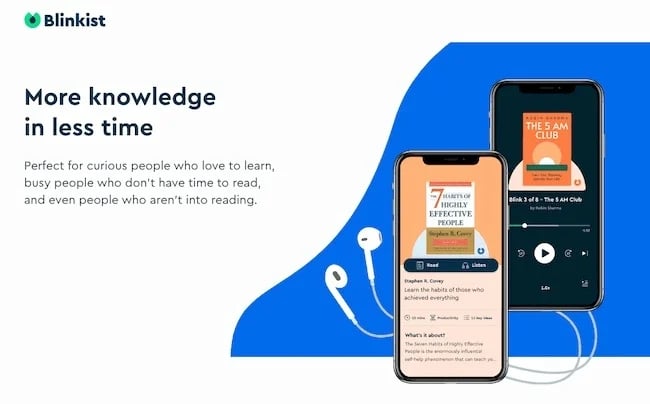
Blinkist offers bite-sized overviews of the latest non-fiction books that you can read or listen to on your phone. This helps you keep up with the latest research on the topics that are important to the people on your team.
Why we like this leadership resource:
This is a great learning tool for time-strapped professionals. Empathy begins with understanding, and this app makes it easy to recognize challenges and passions that may not be top of mind in your world.
6. Side Hustle Pro
Podcast
Price: Free

Commitment: Each episode is under an hour.
What it offers:
Side Hustle Pro highlights black female entrepreneurs who made their side job a profitable business. Host Nicaila Matthews Okome talks about finance, online business, and marketing. She also covers business trends in fashion, health, and wellness.
Why we like these free leadership resources:
This podcast has more than extensive interviews with business experts, there’s a Bootcamp series too. This is great for new listeners who aren’t sure where to start. The Bootcamp boosts newbies with an ebook, uplifting emails, and an engaged Facebook community. Many of her podcast guests share the challenges that led them to create their products and services.
More resources:
If you’re working on empathy skills on your own, you may enjoy these resources for active listening. Another great choice comes from CompassPoint. They offer online and in-person training for nonprofits and BIPOC leaders.
Leadership Resources for Communication
Communication is another leadership skill that anyone can develop.
But being a great communicator is much more than being funny or well-spoken. Most people think they’re good communicators, but the data disagrees. A 2022 Grammarly and Harris Poll says that businesses lose up to $1.2 trillion a year from ineffective communication.
And only 19% of U.S. employees think that leadership communicates effectively in their organization.
Get ready to improve your communication skills.
7. Toastmasters
Online learning and club membership
Price: Club membership costs $7.50 per month, and includes Pathways learning in the membership fee.
Commitment: Varies, may include attending meetings for one to two hours every one to two weeks.
What it offers:
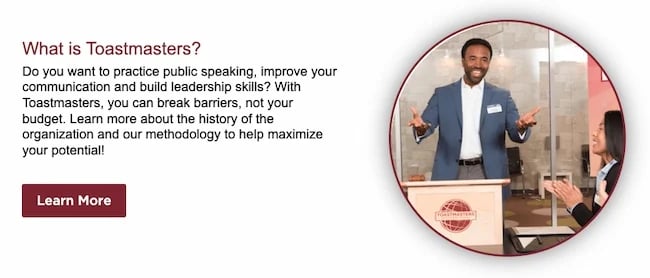
Public speaking isn't exactly a requirement for being a strong leader, but as you progress in your career, it might become part of your job (think: presenting at large team meetings or to a board), and it's a skill that can help set you apart from the pack.
You can join a Toastmasters club and take part in their online learning program. Their resources can step up your skills with advice on topics like:
- Presentation skills
- Goal setting
- Dealing with nervousness and building confidence
Why we like these resources for leadership development:
Toastmasters has been a leader in public speaking since the organization started in the early 1920s. With over 300,000 members and 15,000+ clubs, they offer a large community. They also have a broad range of tools to develop your communication and leadership skills.
8. Rapport Leadership Training
Online and in-person workshops
Price: Courses run from $199-2,595 per course
Commitment: Varies depending on the training you choose
What it offers:
Their focus is intensive 2.5-day courses. Rapport also offers self-guided online learning to work on leadership skills.
Options include:
- Cultivating Culture
- Emotional Intelligence
- Feedback and Coaching
Why we like this leadership resource:
Rapport has 30+ years of experience in principles-focused training. Their intensive courses focus on applying new skills to real-life situations. Rapport online classes also include a range of different media to support unique learning styles.
9. Bunch
Mobile app
Price: Free

Commitment: Two minutes a day.
What it offers:
This coaching app is a simple way to add leadership learning to your busy schedule. It offers quick daily leadership tips. They also have leadership style quizzes and targeted suggestions for deeper learning.
Why we like this leadership resource:
This app personalizes the experience of learning. Instead of giving general tips, they work to align their content with your main interests. Bunch also offers a podcast, a blog, and an active Slack community for extra support when you want it.
10. Simon Sinek’s InspireU
Online courses
Price: Course fees range from $40-250, and there is also a free podcast.
Commitment: Course times run from under 25 minutes to 90+ minutes.
What it offers:
Live and on-demand online courses that cover Sinek’s teachings from his books. They also have resources for self-care and leadership from a range of experts. His popular “Start with Why” course includes both solo and partner exercises.
Why we like these leadership resources:
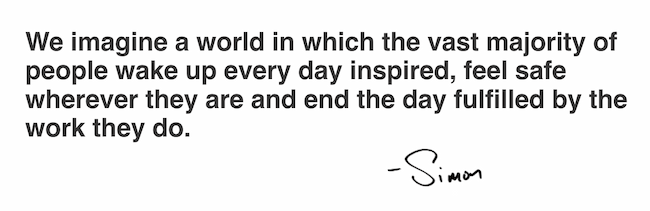
Sinek’s philosophies have influenced leadership thinking since his Ted Talk in 2009. This course focuses on the value of inspiration in leadership. If you are struggling with motivating yourself or your team, this could be a great resource to recharge.
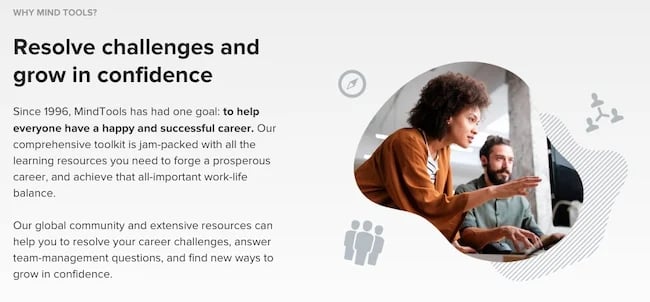
11. MindTools
Club with access to exclusive resources
Price: Limited free access, and $27 per month for membership.
Commitment: Varies depending on the training you choose
What it offers:
Mindtools offers hundreds of resources for communication including:
- Short trainings
- Expert interviews
- Book synopsis
Why we like these resources for leadership development:
Mindtools includes both personal and organizational learning modules. This can help you no matter what your leadership challenges are. Their free tools for communication alone contain a wealth of tools for growth.
Whether you want to dig into value propositions and body language or get the basics of giving feedback, Mindtools is a great resource for leadership development.
More resources:
The GLSNext mobile app offers insights from business leaders in videos, blogs, and podcasts.
Leadership Resources for Support and Development
Leaders are only as great as their team. It takes time and experience to support today’s workplace.
Do you want to build skills and business acumen? Are you curious about leadership philosophy? Do you want to grow your own business? Are you hoping to influence people where you work?
These leadership tools can help you understand and prepare for the challenges that might lay ahead. They can help you whether you’re leading from the top down or the bottom up.
12. Brené Brown's Dare to Lead Hub
Book, Videos, Podcast, Workbook, and Training
Price: The book costs $20. Training costs vary by the facilitator.
Commitment: Varies depending on the resource you choose
What it offers:
Brown writes powerful books that can help you better understand how to lead. Her site also has hubs that enable a more intensive exploration of the themes in her books.
This includes the “Dare to Lead” hub, which offers a video, workbook, assessment, and other tools for aspiring leaders.
Why we like these resources for leadership development:
Sometimes, it feels like we have to know everything to be a leader. We have to learn how to manage projects, delegate tasks, and analyze outcomes. But then, there are the leadership lessons that don't always get the biggest headlines, like learning to be accountable and embrace vulnerability.
Taking risks requires some degree of becoming vulnerable, and strong leaders know when to take calculated risks. But that doesn't just apply to work leadership -- Brown's resources also explore how vulnerability and courage can help in other areas of life.
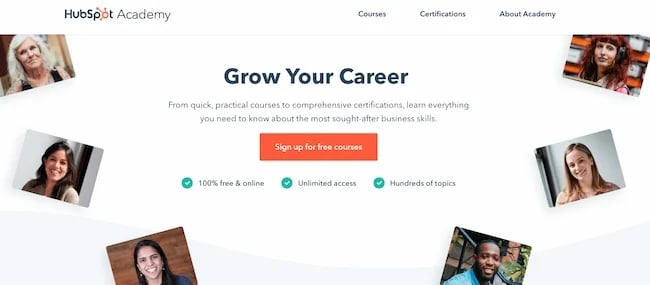
13. HubSpot Academy
Online courses
Price: Free
Commitment: Varies depending on the resource you choose
What it offers:
HubSpot Academy is best known for its excellent certification programs in Inbound Marketing, Sales, Social Media Marketing, and Content Marketing. But it doesn’t stop there. This leadership resource also offers 100+ lessons, courses, and learning paths to support leaders in every facet of business operations.
Why we like these free leadership resources:
The HubSpot team is constantly creating new content and updating courses to meet the needs of a rapidly changing work world.
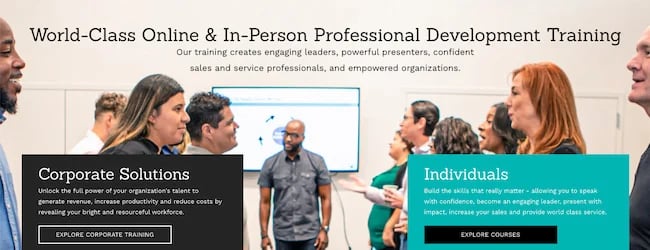
14. Dale Carnegie Training
Online and in-person courses for groups and individuals
Price: Course prices range from $150-2500 per course.
Commitment: Varies by training. Most on-demand courses offer a full year of online access.
What it offers:
Carnegie has unique courses for both organizations and individuals. Online courses are available live online, on-demand, and with an online subscription.
Before 2020, 98% of Carnegie courses were available in person only. They scaled fast to create leadership resources that are available in 32 languages and in 86 countries.
Why we like this leadership resource:
We all need feedback from a real human being, and on occasion, it can be the most enlightening to get it from someone outside your company or industry.
Carnegie started teaching about leadership in 1912. The principles of his best-selling book focus on ideas about wellbeing that are only now taking hold in workplaces.
Whether you’re looking for broad instruction on leadership or more targeted learning for your specific challenges, Dale Carnegie courses can help.
They offer over 80 course options. Their website also has white papers, case studies, and webinars if you’re not sure where to start.
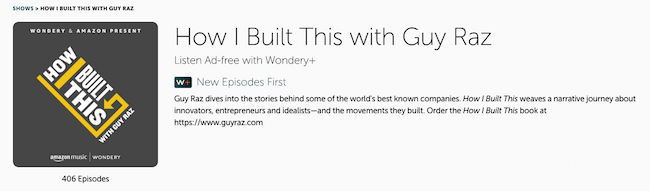
15. How I Built This
Podcast
Price: Free
Commitment: About an hour a week.
What it offers:
This podcast has over 400 episodes of business leadership know-how. Each episode features the founders of a business and how they got their start.
Why we like this free leadership resource:
Listening to founder stories is an easy way to take in topics like accountability and resilience. It’s also a chance to understand how founders manage complexity in their startups. These anecdotes can help you figure out which skills and tools can help you prepare to meet your goals.
16. HubSpot Podcast Network
Podcast
Price: Free

Commitment: Varies by podcast, usually about an hour
What it offers:
If you’re not ready to pick a favorite, the HubSpot Podcast Network offers 26 podcasts and counting. Each has a unique take on business development, growth, and priorities.
From stories of epic failure to the recovery that followed it, HubSpot hosts interview guests who share their most intriguing organizational, cultural, conceptual, and team insights.
Why we like this leadership resource:
If your schedule is tight, there is nothing like getting the basics done while listening to a strategic podcast. These podcasts cover targeted topics like change management, negotiation, and tech news. This resource can shed light on the big and small challenges you face as a leader every day.
So, spend some time with professionals from HubSpot and The Hustle. They offer insights you can use on your path to leadership enlightenment.
More resources:
Books are also great resources for leadership development. These two long-time bestsellers continue to be relevant and popular if you want to know how to lead effectively.
- How to Win Friends and Influence People by Dale Carnegie
- The 7 Habits of Highly Effective People by Stephen R. Covey
If you want more resources for support and development, these are some other great tools to look into:
Put These Leadership Resources Into Action
It’s not unusual to seek out a list like this after a difficult conversation or challenge at work. And it’s just as common to add a bookmark to your browser and forget about it until the next issue pops up.
So, get started now, even if you can only spare a few minutes. One great resource could be all that you need to change the way you lead.
Editor's note: This post was originally published in May 2017 and has been updated for comprehensiveness.
Leadership

![The Most Common Leadership Styles & How I Found Mine [Expert Insights]](https://53.fs1.hubspotusercontent-na1.net/hubfs/53/leadership-styles-4.jpg)

![The Top Goals of Marketing Managers & Leaders in 2025 [New Data + Expert Tips]](https://53.fs1.hubspotusercontent-na1.net/hubfs/53/marketing-career-goals.webp)



![The Best Ways to Get Visibility from Your CMO and Other Marketing Execs Who Can Move You Forward [Data]](https://53.fs1.hubspotusercontent-na1.net/hubfs/53/marketing%20manager%20trying%20to%20increase%20marketing%20executive%20visibility%20in%20their%20role.jpg)
![15+ Organizational Skills Every Leader Needs [+ Ways to Develop Them]](https://53.fs1.hubspotusercontent-na1.net/hubfs/53/organizational-skills.webp)