

To answer your question, here are my predictions based on the latest industry research and data from social media marketers.
Table of Contents
What is the future of social media?
Through our multiple surveys, research, and additional data, here's what I predict for the future of social media:
- Consumers will shop directly on social media apps.
- Consumers will search for information on social media or via AI instead of traditional search engines.
- Consumers and brands will rely on social media for customer service
- Brands will rely on influencers, especially micro-influencers, rather than celebrities.
- Brands will create more short-form content to connect with their audiences.
- Brands will leverage AI tools to create personalized content for their audiences.
- Brands will place a greater emphasis on creating an active social media community.
Now, let's dive deeper into each of these trends.
The State of Social Media in 2025
Explore the top trends in social media for brands to know and optimize your social strategy.
- AI Content Creation
- Community Building
- Social Media Shopping
- Social Vs. Search Engine
Download Free
All fields are required.
Social Media Trends: 2025 and Beyond
Direct Shopping Experience on Most Socials
69% of marketers agree that more shopping will happen on social media than on brand websites or third-party marketplaces, according to our 2025 Social Media Trends Report.
39% of survey respondents told us that they already sell their products directly within a social media platform, like Instagram Shops, for example.
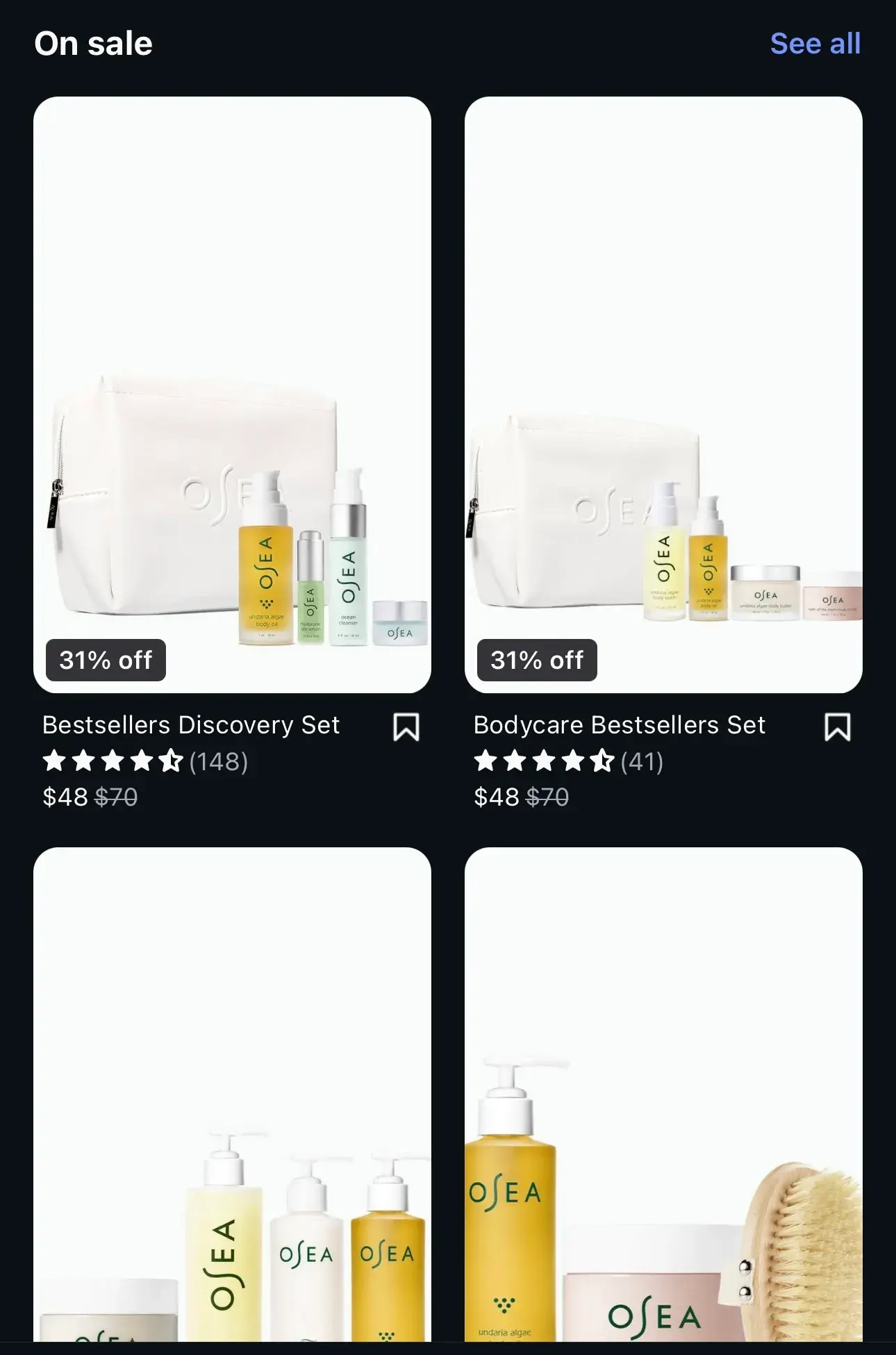
Instagram was one of the first social platforms to offer a seamless shopping experience and integration. Now, other platforms have jumped on the bandwagon, too, for good reason.
The move to social selling makes a lot of sense when you realize that Gen Z has joined the working class in recent years and now has tremendous spending power.
Our consumer trends report found that most Gen-Zers prefer to discover new products on social media — specifically short-form videos.
This means that to remain competitive, social platforms will have to offer integrated shopping experiences to keep consumers on the platform. And, it also means brands need to pivot their marketing strategies which includes adding more video content to your social selling toolkit.
According to survey respondents, YouTube’s social shopping tools had the highest ROI compared to other social channels.
Social selling is here to stay and will continue to shape social media trends.
Search on Social Media Instead of Engines
A few weeks ago, I posted to Facebook asking for the best local photographer for new headshots. Using my friends’ suggestions, I found a great photographer who blew me away with the quality of her work.
I’m not the only one who uses social media for recommendations and reviews. It's becoming more common for consumers to search for products, recommendations, or reviews on social media rather than search engines.
According to our 2025 Social Media Trends Report, 84% of social media marketers believe consumers will search for brands more often on social media before turning to a search engine. 26% also say that optimizing their social media accounts for social search will become more important in 2025.
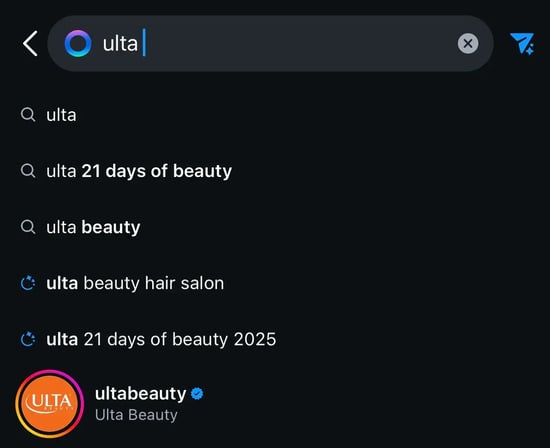
In 2025, you’ll find advanced search tools integrated into most social platforms.
For example, when you‘re watching a video on TikTok, you’ll notice a small search bar at the bottom of the screen with a keyword or topic associated with it. When you click on that search bar, the app will take you to more videos associated with the keyword.
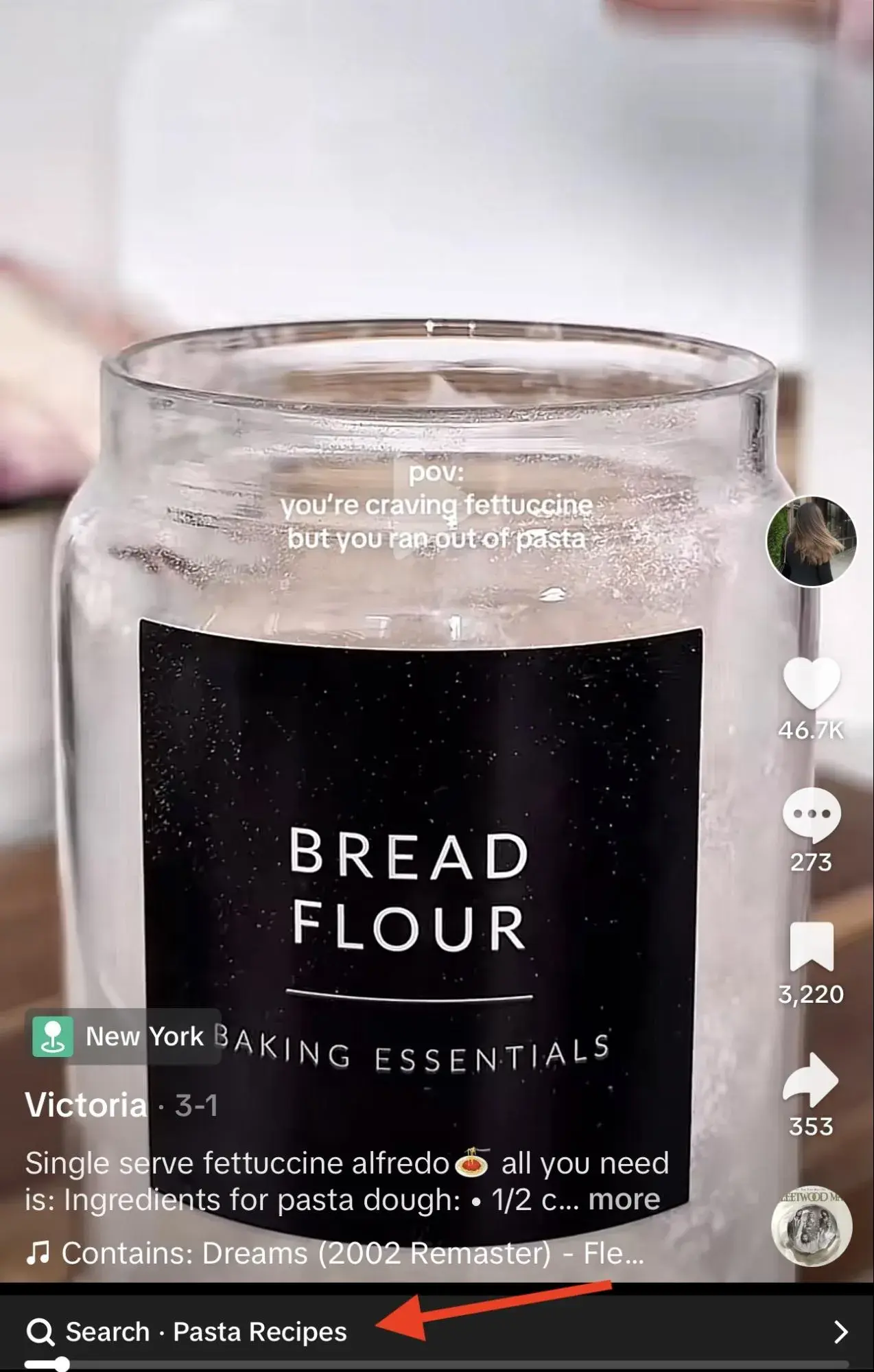
If traditional search engines fail to meet consumer needs, TikTok and other social platforms may take the lead in product and content discovery as they prioritize visual content.
As a marketer, this means you must treat social media content similar to how you’d treat content for search engines. Make sure your posts are optimized so social platforms can categorize them and increase the chances that they’ll show up when users search for relevant keywords.
Another rival for search engines in 2025 is AI chatbots like ChatGPT. Users can ask ChatGPT questions in the form of prompts, and the bot will generate answers to their queries.
ChatGPT currently has 400 million weekly users. While the AI chatbot is seeing increased usage for search, Google still rivals the tool. According to recent data, Google Search handles 373 times more searches than ChatGPT.
Social Media Will Become a Primary Channel for Customer Service
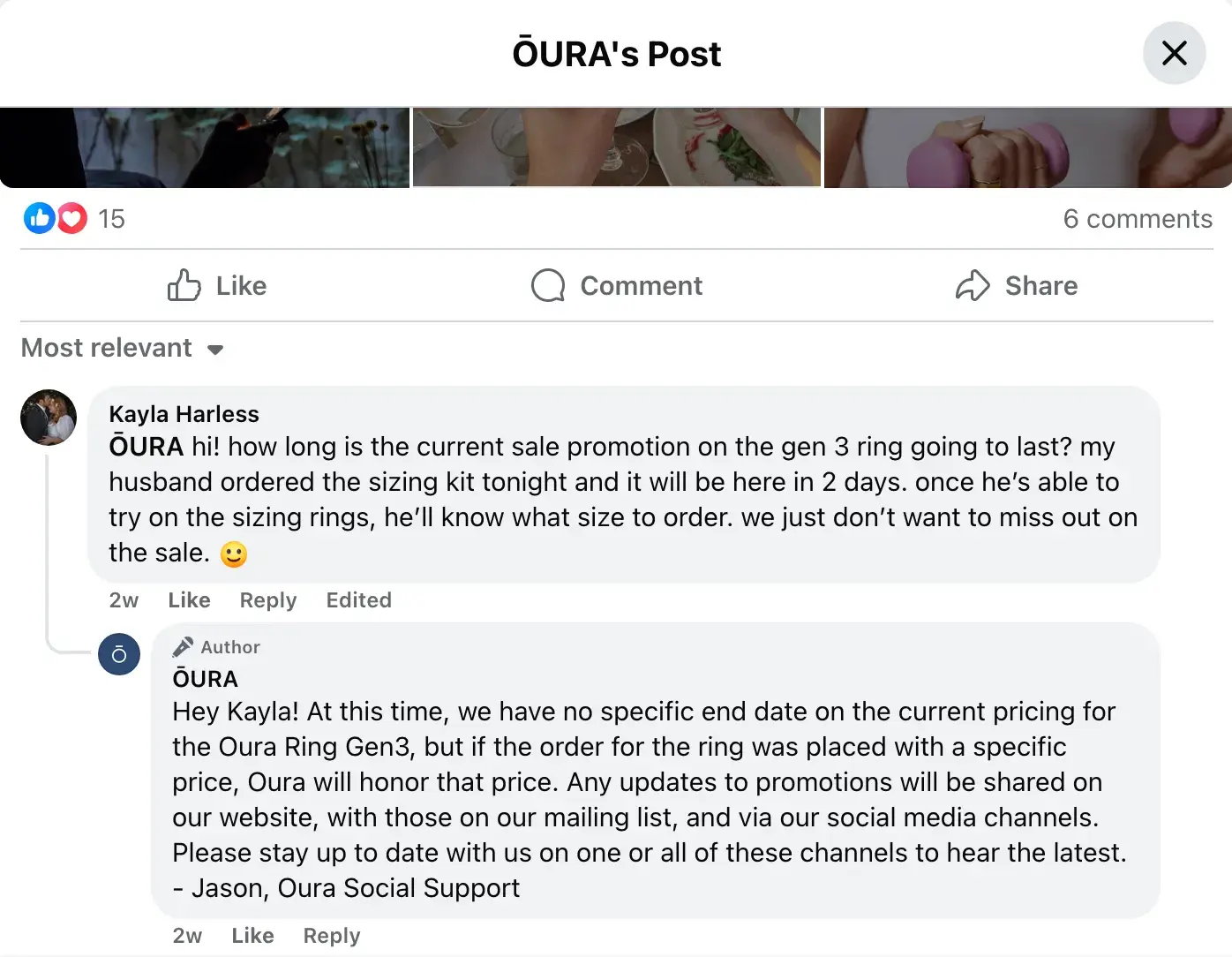
Social media has long been a communication channel between customers and brands.
Think about it: if I’m already scrolling through social media, it’s much easier to send a quick DM or leave a comment when I have a question or concern than it is to reach out through a website.
79% of marketers agree that social media will become consumers' preferred channel for customer service in 2025.
Additionally, 29% of survey respondents say that improving customer service and retention is the primary goal of their company's social media strategy this year.
To make sure you’re meeting customer expectations, customer service must be included in your social media strategy. Not only should you have a process for managing customer DMs and comments, but marketers must also consider how customers are using social media to communicate with brands.
More Reliance on Micro-Influencers and Creators
According to our 2025 Social Media Trends Report, 75% of brands plan to work with influencers and creators to be the face of their brands.
31% of marketers say working with smaller influencers, particularly those with followings between 1K and 100K, is a better investment than working with large creators and influencers.
More importantly, consumers trust influencers and creators. From my experience, I’m more likely to be interested in a product if someone who’s relatable to me endorses it. Truthfully, that’s how I landed on the Curly Girl Method and totally changed the health of my hair!
This is likely because, with influencers specializing in an area, their opinions are more valuable than those of a faceless brand.
Say I’m looking for hiking gear. A hiking influencer who hikes all year long and has a history of reviewing hiking products will probably offer more insight than a friend who went hiking once.
As a result, niche content creators — although strangers — can be deemed more relatable than a major influencer or celebrity. In the future, that trend will likely continue as content creators are popping up in new niches every day.
And the platforms that marketers plan to work with influencers and creators the most on in 2025? Instagram and YouTube.
Short-Form Video Will Become More Important Than Ever
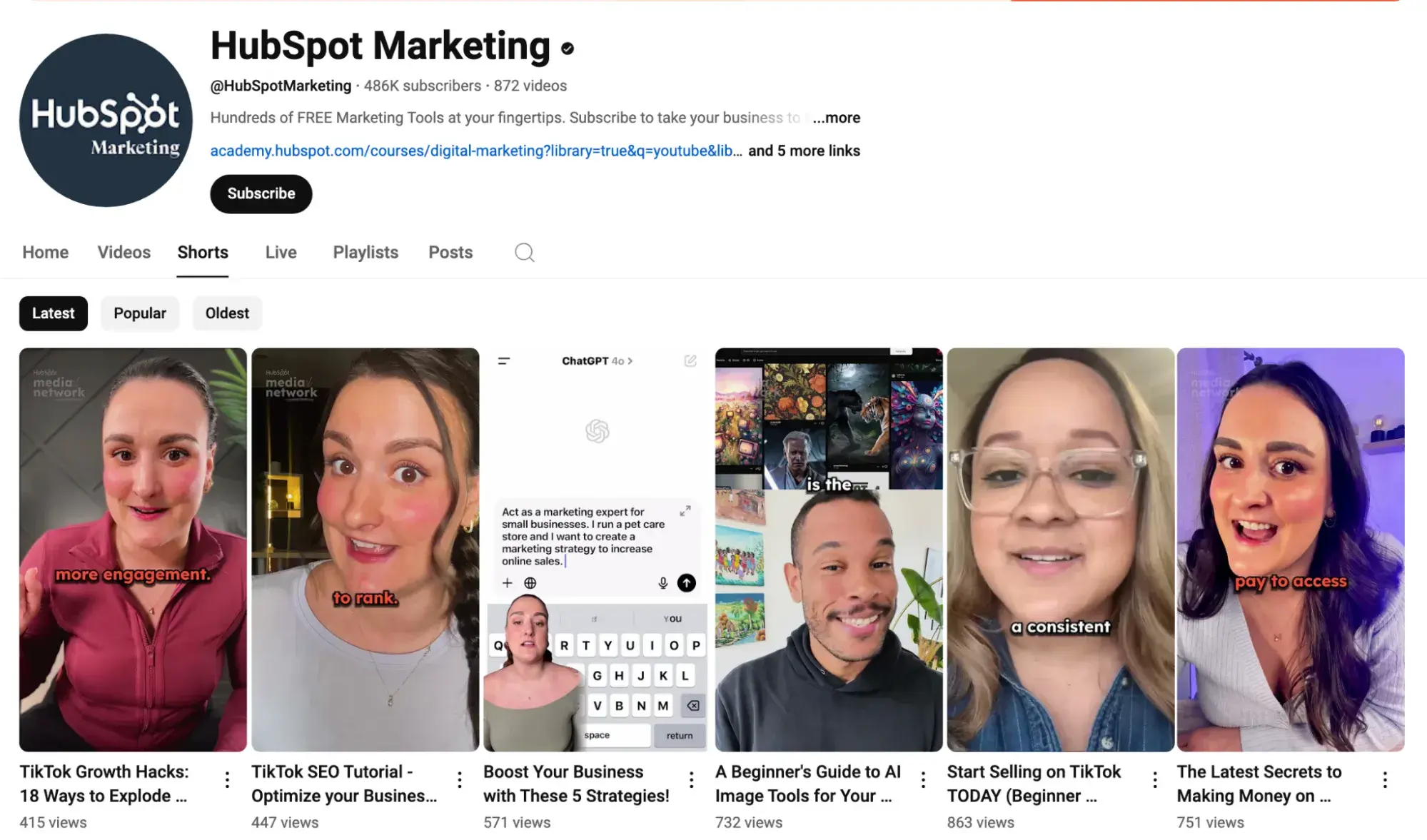
If the saying, “Content is king,” is true, short-form video is next in line for the crown. According to our research, 26% of marketers say short-form video is more important than ever. And 57% of brands plan to incorporate this content into their social media strategy.
Short-form video encompasses everything from shopping ads to entertainment to explainer videos. 48% of marketers agree funny videos yield the highest ROI.
It makes sense that marketers plan to place a higher focus on creating short-form video content, considering they also report that YouTube, Instagram, and Facebook are the top social media platforms (in that order). 30% of marketers plan to increase their investment in TikTok in 2025.
Like TikTok, which is the fourth-ranked platform, YouTube, Instagram, and Facebook all feature their own version of a short-form video platform.
I’m sure there are other social media users like me who get stuck watching videos as they pop up in the feed. Because short-form video is easily consumed, it shouldn’t surprise anyone that 71% of marketers agree it has a high ROI.
67% of respondents to our survey plan to invest more of their marketing dollars in creating short-form content in 2025.
AI Will Become a Helpful Tool for Boosting Social Media Strategies
Our Social Media Trends Report shows that 73% of marketers use generative AI tools to create social media content. And 81% of marketers already using AI say it positively impacts their work.
What’s surprising is that marketers are using generative AI tools for more than creating social media copy and adapting the tone of their copy to better resonate with their social media followers.
Here’s how marketers use AI for social media:
- 52% of marketers say they use AI to create images for their posts.
- 47% of marketers use AI to create short-form videos.
- 38% of marketers use AI to generate infographics.
- 36% of marketers use AI to write captions.
I personally use AI-powered video editors to create my short-form content, and it’s never been easier — especially since I’m a novice at video editing.
AI tools aren’t fail-proof, though; they’re constantly adapting to new data sets and algorithm changes. However, even with AI’s limitations, 70% of marketers say AI can help them create content that better aligns with their target audience’s interests.
Given that the market for AI technology is expected to grow to 826 billion dollars by 2030, it’s not out of the realm of possibility that AI tools will become a large part of any marketer’s social media marketing strategy.
Greater Focus on Building an Active Social Media Community
With an estimated 5.24 billion social media users worldwide, according to our 2025 Social Media Trends Report, more and more brands plan to spend time cultivating an active and engaged social media community. 40% of marketers plan on investing in building their social media community more in 2025.
79% of markets say an active social media community is important to their overall social media strategy. Instagram, YouTube, and Facebook are the top platforms marketers use to build their communities, with Instagram being the most effective.
To create an active community, marketers are diversifying their community-building strategies.
Here’s how:
- 17% of marketers say they’ll focus on growing a social media following.
- 28% of social media managers plan to create better brand awareness and target a new audience.
- 16% of marketers hope to understand their customers and their needs better.
- 18% of survey respondents plan to foster relationships with customers to build stronger brand loyalty.
Social media moves incredibly quickly, so we can’t say with certainty what the future will look like. But given recent data, we can say it’s likely headed in this direction.
Check out our 2025 Social Media Trends Report to gain more insights that can help you plan your social media strategy.
Editor's note: This post was originally published in January 2025 and has been updated for comprehensiveness.
The State of Social Media in 2025
Explore the top trends in social media for brands to know and optimize your social strategy.
- AI Content Creation
- Community Building
- Social Media Shopping
- Social Vs. Search Engine
Download Free
All fields are required.
![Is Threads losing steam? Here’s what we know [new research]](https://53.fs1.hubspotusercontent-na1.net/hubfs/53/is-threads-losing-steam.png)


![The fastest growing social media platforms of 2025 [new data]](https://53.fs1.hubspotusercontent-na1.net/hubfs/53/fastest-growing-social-media-platforms.jpg)
%20(1).webp)
-3.png)