.png?width=112&height=112&name=Image%20Hackathon%20%E2%80%93%20Vertical%20(12).png)

If I want to know all there is to know about a specific topic, like email list strategy, I source a whitepaper. They illustrate points with charts, and use study data or other statistics to back up the points being made.
If you're a marketer, there's no doubt you've come across at least one ebook or whitepaper offer. But now, the time has come for you to make your own.
You have an idea, but maybe you're not sure whether to make an ebook or whitepaper. Are ebooks and whitepapers even the same thing? Let's figure this all out below.
Ebooks and whitepapers: What's the Difference?
Time for a quick refresher: An ebook is short for "electronic book." They're made for online use, notated by embedded links and videos. Ebooks are responsive and are usually guides for large topics. For instance, some popular ebook topics revolve around SEO, inbound marketing, and ecommerce.
Here is an example of an ebook, "YouTube for Business," from HubSpot. It's optimized for reading on desktop, ereader, and mobile devices. Additionally, it's vibrant — this has a variety of colors, graphics, and interactive media.
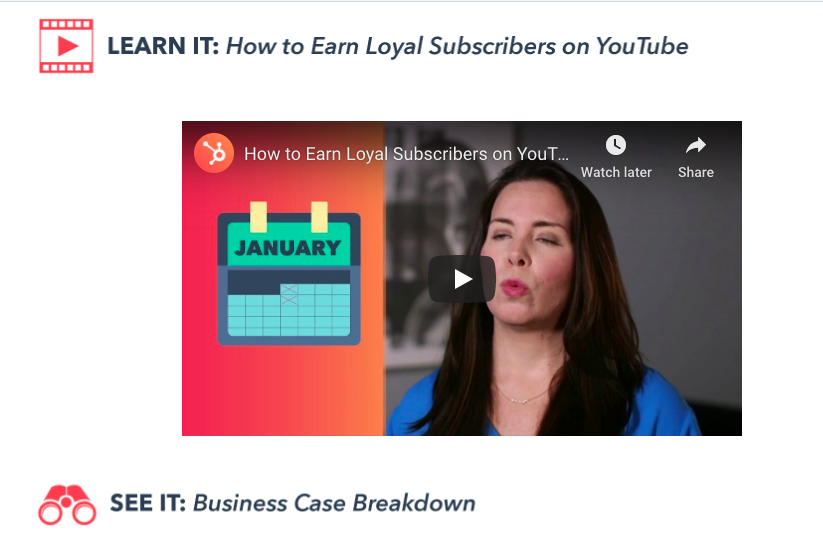 Ebooks are great for increasing conversions and credibility. Think about a customer looking for a complete guide about how to hire top talent.
So, what’s a whitepaper? And how is it different from an ebook?
whitepapers are reports that break down a complex topic for the reader, and then provide an in-depth solution or opinion about that subject. They’re aimed at helping audiences comprehend a complex issue or inform a difficult decision.
Let's go back to the ebook example, "YouTube for Business." If this eBook were going to be a whitepaper instead, it would probably be titled something like, "How Using YouTube for Business Increased Our Conversion Rates by 30%." This whitepaper would include the details of the findings, include other helpful data, and use that to explain how the experiment was successful.
One popular whitepaper format you might recognize is a "State Of" report. These whitepapers include factual information, statistical data, and often survey and experiment results to support the topic.
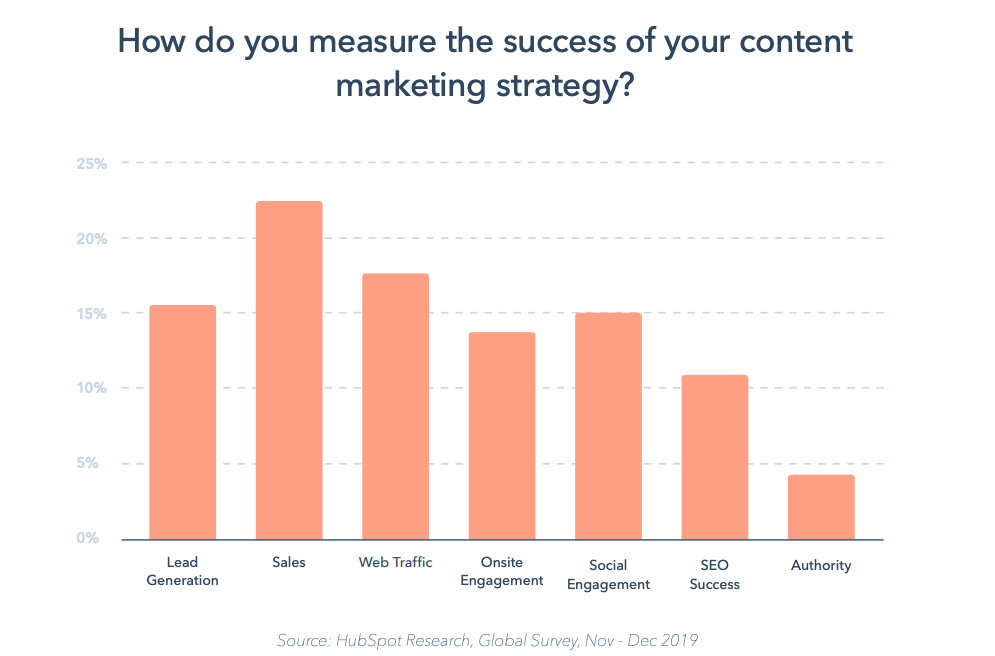
Have time and data? Consider creating a comprehensive whitepaper that will inform your audience at an expert level.
Now that we're clear on the differences between ebooks and whitepapers, let’s decide which one is best suited to your goals.
Ebooks vs. Whitepapers
When you're deciding between an ebook and a whitepaper, keep your goals in mind.
When should you write an ebook?
Short On Time
Ebooks are better, if you’re short on time. Generally, they're shorter and serve the purpose of offering a "how-to" on a topic. They also use a mix of visuals and are packed with helpful links to support that writing.
Including Multimedia
Ebooks are interactive and traditionally less static than a whitepaper. Usually, ebooks aren't a Google Doc or a PDF file, so you can really focus on multimedia. You might include supporting content from your business, a CTA, or links to previous studies or blog posts.
Easy To Make & Share
Creating an ebook is relatively simple — your Content Hub should offer templates, which save you time so you can spend more time writing. And when thinking about distribution, a free ebook is highly shareable on social media, in blog posts, and on your website. All you need is a landing page, CTA, and promotion post drafted.
Additionally, you can add the ebook in a hyperlink in your email signature or add it into an email update. Free educational resources are a great chance to delight readers and earn leads by gating your content.
To sum it up, if you want to create an interactive experience for your target audience, make an ebook. Especially if you don't have that much time to devote to study but still want a compelling offer.
When should you write a whitepaper?
Thought Leadership
If your writing is focused on thought leadership, make a whitepaper. They're more static than ebooks and traditionally cover less broad topics. For instance, an ebook can cover the basics of digital marketing, but a whitepaper would focus on a single digital marketing experiment.
Let's say you want to feature a thought leader. Look for one that is in your industry, so they can expose your company to a large, ideal audience. Then, conduct a long form interview with the thought leader or ask them to contribute writing about the chosen topic, making sure there's ample research and data to support.
Deep Explanation
Because whitepapers are more focused than ebooks, they give way for thorough explanation. They lean heavily on concrete data to support their findings or stance, while an ebook may gloss over some details.
Playing With Design
whitepapers are sometimes known as "boring" because they're instructional reports. They present the facts. But this doesn't mean your whitepaper will be dull — instead, use color and text to liven up the atmosphere, shown below:
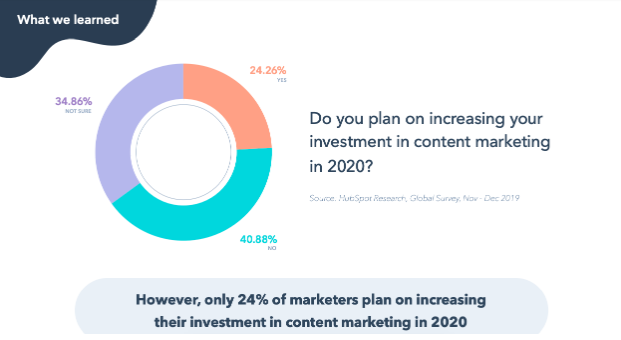
Vertical, "old school" formats aren't the most engaging experience for readers. But there are things you can do that make whitepapers compelling. Present the facts, but use a conversational tone, and make the landing page for your whitepaper colorful.
A crucial aspect of design for your whitepaper should be responsiveness. Prioritize making your whitepaper format responsive for different screen sizes. This is so your audiences can enjoy it, regardless of their device.
Ultimately, think of making a whitepaper to create thought leadership content in a different format.
The bottom line? Ebooks are great for driving growth and traffic, and whitepapers are excellent for conversion and filling buyer journey gaps. If you're short on time, an ebook might be your best bet, but whitepapers are ideal for studies and reports.
If your company excels at one format but is lacking in the other, think of how your next offer could bring different results if the delivery method was switched. Remember, the goal is making the customer feel like they received valuable guidance about a topic.


![How to create a landing page with high ROI [+ expert and data-backed tips]](https://53.fs1.hubspotusercontent-na1.net/hubfs/53/%5BUse-2.webp)



![How to get sponsored on Instagram [what 500+ social media marketers are looking for]](https://53.fs1.hubspotusercontent-na1.net/hubfs/53/paid%20partnership%20instagram.png)