Inbound Internet Marketing Blog

SEO, Blogging, Social Media, Landing Pages, Lead Generation and Analytics

SUBSCRIBE

The HubSpot Inbound Internet Marketing blog covers all of inbound marketing - SEO, blogging, social media, lead generation, email marketing, lead nurturing & management, and analytics. Join 57,702 others and subscribe now!

Subscribe to RSS feed Add us on Facebook! Follow us on Twitter

Get Free Marketing Info!

Get the world's best marketing resources right to your inbox! Join more than 817,000 inbound marketers!

Subscribe by email

Your email:

HubSpot's Inbound Internet Marketing Blog

Current Articles | RSS Feed RSS Feed

3 Form Fields That Kill Landing Page Conversion Rates


.

describe the image This post is a sneak-peak of data from the upcoming Science of Lead Generation webinar that will teach you scientifically proven ways to get more leads. Click here to register now.

Web users are, for the most part, used to giving out personal information online, especially in exchange for content they want. But certain kinds of information are more sensitive than others.

I analyzed over 40,000 customer landing pages and identified three types of information that tended to lead to lower conversion rates.

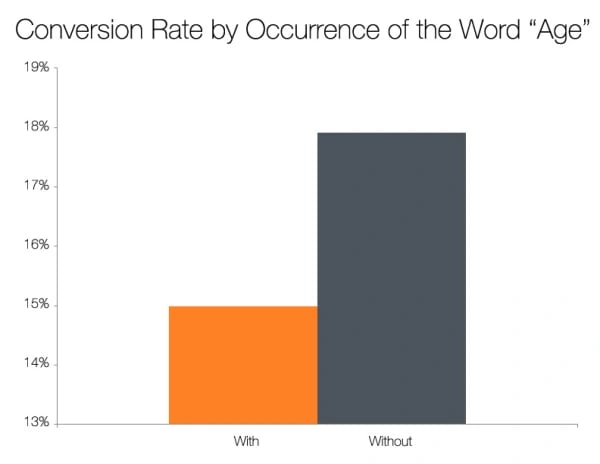
First I looked at pages that asked users for their age.
age resized 600

I found that landing pages that asked users for their age tended to have much lower conversion rates than pages that did not.

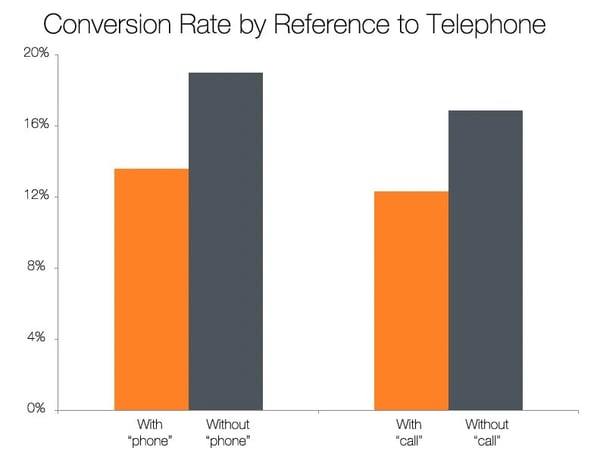
I then analyzed pages that asked for telephone numbers (or suggested that the user would be called).
phone

I found that pages referring to telephone numbers or calling had lower conversion rates than pages that did not.

Lastly I examined pages that asked users for geographic information.
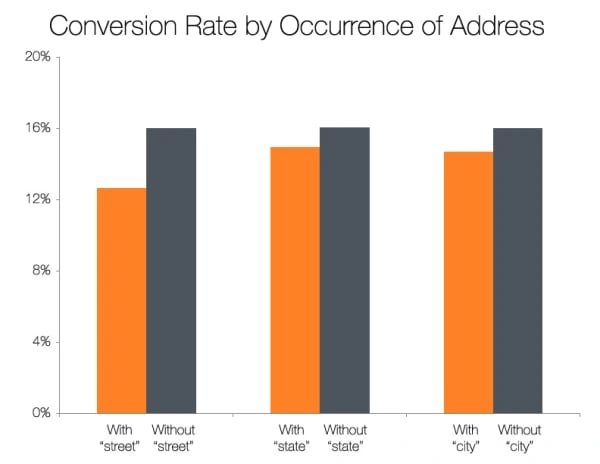
address resized 600

I found not only that pages that asked for any type of geographic information had lower conversion rates than pages that did not, but also that street-level information seemed to be much more sensitive to users than state or city level information.
Free Webinar: Science of Lead Generation

Free Webinar:  Science of Lead Generation

Posted by Dan Zarrella on Wed, Oct 06, 2010 @ 01:00 PM

COMMENTS

So... people don't like giving away personal information or information that may lead to annoying salesmen or marketing materials following up.

posted on Wednesday, October 06, 2010 at 1:05 PM by Sam Mallikarjunan


I would be curious to see what the comparison is between a phone field and an email address field. That would be some useful information to have.....

posted on Wednesday, October 06, 2010 at 1:10 PM by Matt Nelson


Zip code would also be interesting to see. We do seminars and request the zip code only so we can market to them when an event comes to their area.

posted on Wednesday, October 06, 2010 at 1:15 PM by Kelly Marsh


Dan - As always, great stuff. I would love to see the downstream numbers for lead-to-sale conversion. By adding more fields (e.g. phone, email, state, etc.), the form qualifies out uninterested parties. I guess you need to balance the quantity of leads with the quality.

posted on Wednesday, October 06, 2010 at 1:17 PM by Matt Sullivan


Were the fields optional or mandatory?

posted on Wednesday, October 06, 2010 at 1:19 PM by Marcel Sarrasin


What Matt Nelson asked ...

posted on Wednesday, October 06, 2010 at 1:23 PM by James Chai


And further to Matt's question about filtering out uninterested parties, if you are selling higher priced products in a B2B environment do these fields make as big of a difference.

posted on Wednesday, October 06, 2010 at 1:24 PM by Marcel Sarrasin


Be very careful with the advice not to use the "phone number" field. We're using call tracking with a number of clients, and calls from the page outnumber e-mail/form leads 4-1.

posted on Wednesday, October 06, 2010 at 1:25 PM by Rick Whittington


Very interesting - I think overall, his findings are accurate - but, there is a caveat to this. If it's a first time visitor, what the site is selling, if it was an organic find, if fields were mandatory, if there was an incentive to provide more information... what's the carrot on these? whether it's a first time visitor or loyal customer etc., etc., but his point is pretty clear and accurate. I'll give you limited information until you earn my trust. Then, once I'm comfortable, give an opportunity to give you more information. So, in the early stages of relationship building - ask for as little as possible. Do NOT be intrusive. After all, why do you need that information? If it's critical - like you're selling timeshare and have licenses in certain states - then let them know that's why you need it. 
 
...and if a customer is older than say 40 - they don't want you to know that, or younger than 18 - but once comment indicates asking for an email - great study.  

posted on Wednesday, October 06, 2010 at 1:30 PM by JO-ANNE REDWOOD


This seems interesting, but not implementable. Conversion rates are all about knowing your target market. Sites targeted at different age ranges, for example, might face users with differing privacy concerns. Context is also important. People might be much more willing to give up contact information if they think that you will be contacting them about something they want or are interested in, rather than just saying you want contact info for no particular reason.

posted on Wednesday, October 06, 2010 at 1:41 PM by Paul Yokota


It also doesn't factor in people who give false information. There's plenty of GIGO.

posted on Wednesday, October 06, 2010 at 1:45 PM by Marcia Moran


When making a form for a landing page I always ask myself what information I would be willing to give up and your poll hit it right on the head...name and email address only and that is first name not last. Great information Dan, keep up the good work.

posted on Wednesday, October 06, 2010 at 2:05 PM by Connie Glutyk


Dan, 
 
You present some valuable insights here, thank you for making them public. 


It's also important to keep in mind that quantity of leads doesn't always equate to a win. Even with the most targeted demand generation strategy, many marketers are best served including form fields that help qualify and segment the lead. My take away is that if you don't need it, don't ask for it. But...if it's important, ask for it with the understanding that the more valuable the content you provide in return, the more information you can get away with asking for.

posted on Wednesday, October 06, 2010 at 2:51 PM by Tom Meriam


Your comments are fairly accurate in my opinion. What still astounds me is a company that says to not use a phone or email but still requires it and uses that for marketing. If you offer a free whitepaper and the person asks for it and states they are just browsing, why still hound them? There is one site I frequently use content for research and they call me all the time to see when I'm going to be buying after I tell them I am researching. Now I just avoid their site like the plaque.

posted on Wednesday, October 06, 2010 at 5:02 PM by Jane McDonald


Gee, they pay you for this?

posted on Wednesday, October 06, 2010 at 7:39 PM by Peter Daneks


Dan, This is great stuff. Is HubSpot planning to trim back the number of fields that they ask people for before they can download content? What's really needed is an intelligent form, connected to a database, that knows whether you've already asked a prospect for this information already. I can't tell you how many times I've had to enter the same contact information into your landing pages. Something to think about...

posted on Wednesday, October 06, 2010 at 7:54 PM by Mark Lennon


Well, nice findings. But everybody knows that the more fields a form has the more users leave your site. 
 
One more remark: Where are the statistics in your graphs (e.g error bars, distribution, standard deviation, significance ...)?  
 
Without this information a difference between 12% and 18% is nothing more than useless.

posted on Thursday, October 07, 2010 at 11:42 AM by Arndt


Okay, so you less conversions, big deal, but what about the lifetime value of the lead or customer. Example, let's say you get lower conversion rates on the page when you ask for phone, but your sales go up. What would you rather have.  
 
This is only one piece of the puzzle. At the end of the day, what matters is someone converting into a buyer, so that the lead liquidates and turns profitable.

posted on Thursday, October 07, 2010 at 3:21 PM by Matt


Interesting article. But why is the graphics with "age" the only one that does not start at Zero, it starts at 13%.  
 
Is it to make the drop from 18% to 15% look really impressive?

posted on Thursday, October 07, 2010 at 6:06 PM by Jordan L


Hai Dan, As always, great stuff. You present some valuable insights here, thank you for making them public

posted on Friday, October 08, 2010 at 4:52 AM by seosen


We have an enquiry form on our business website and we have always talked about how many enquiries we may be losing by having the form ask for address and phone number. It is most interesting though that the biggest loss of conversion is when asking for age. We have no need for it but it's interesting that's the most sensitive piece of data that we won't part with. Thanks for sharing this information, it is most informative and helps us shape our online forms better for our business.

posted on Saturday, October 09, 2010 at 11:53 PM by Bangalow accommodation


Comments have been closed for this article.