(This is an opinion piece. Feel free to debate in the comments.)
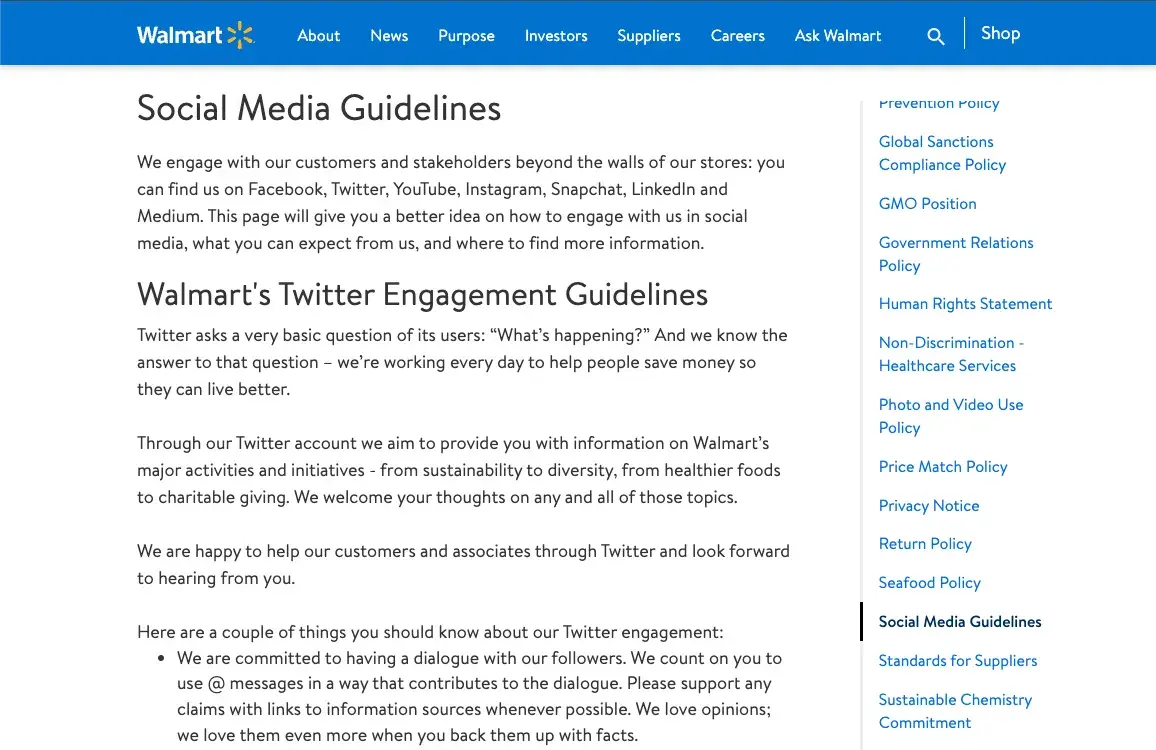
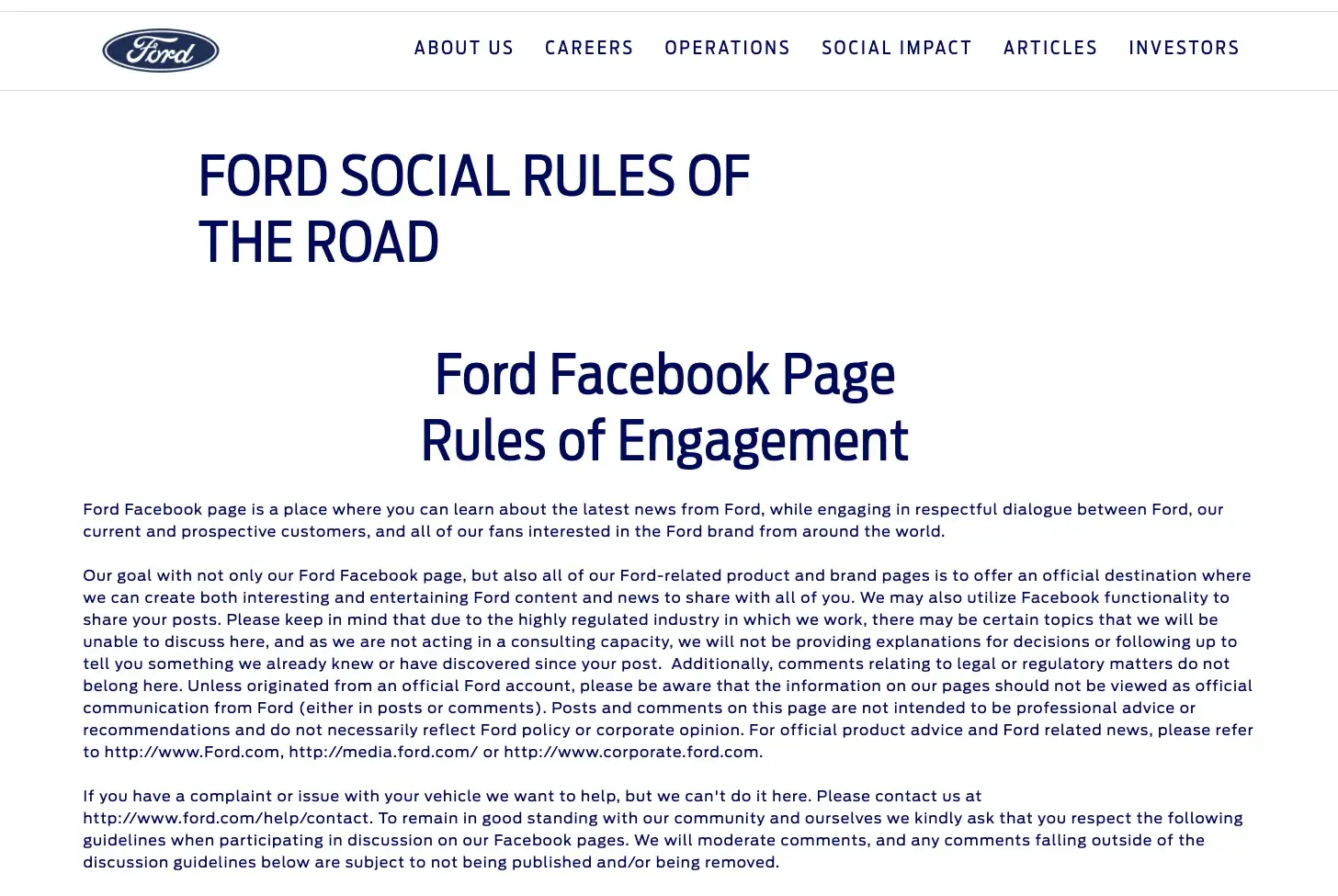
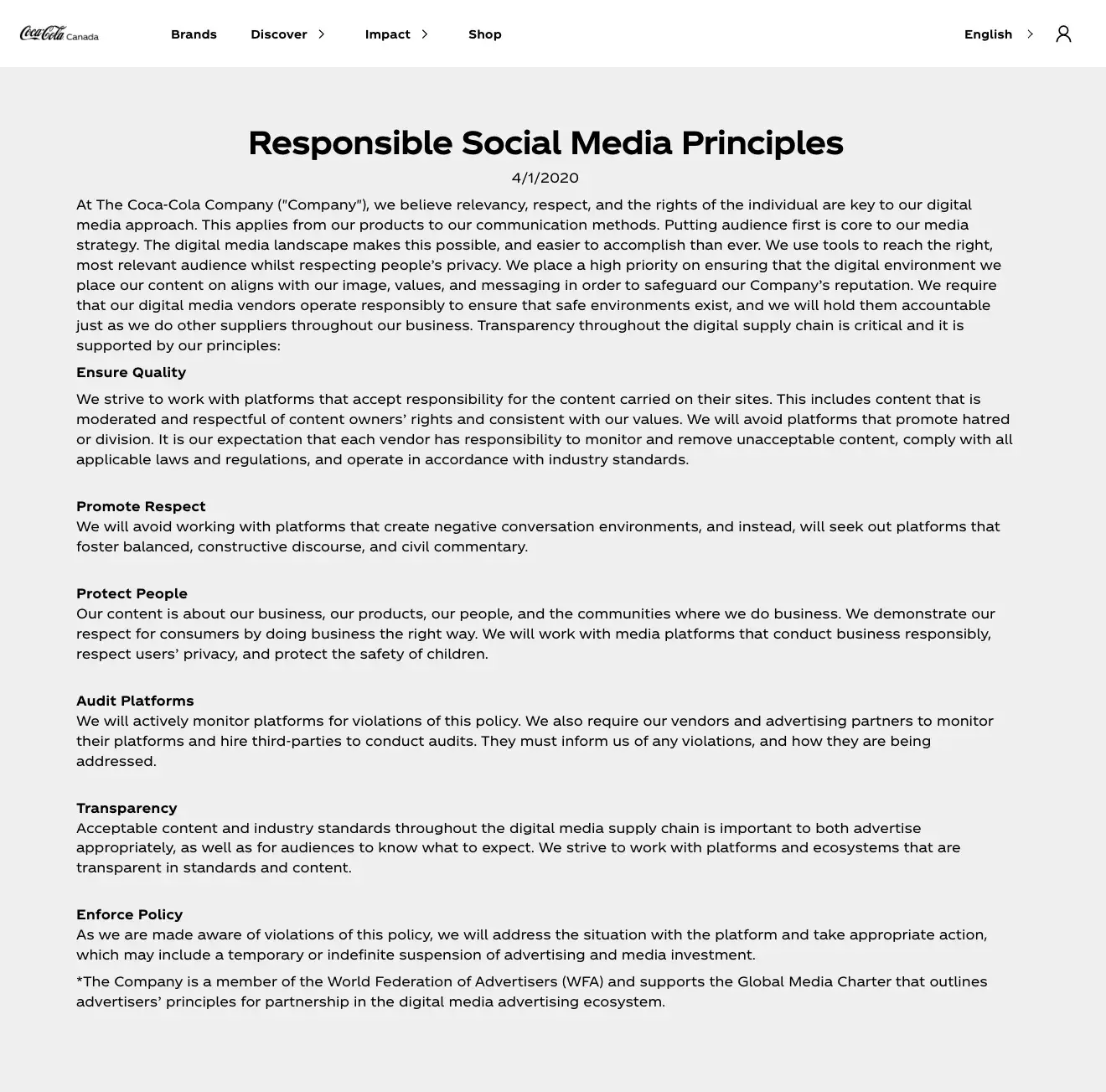
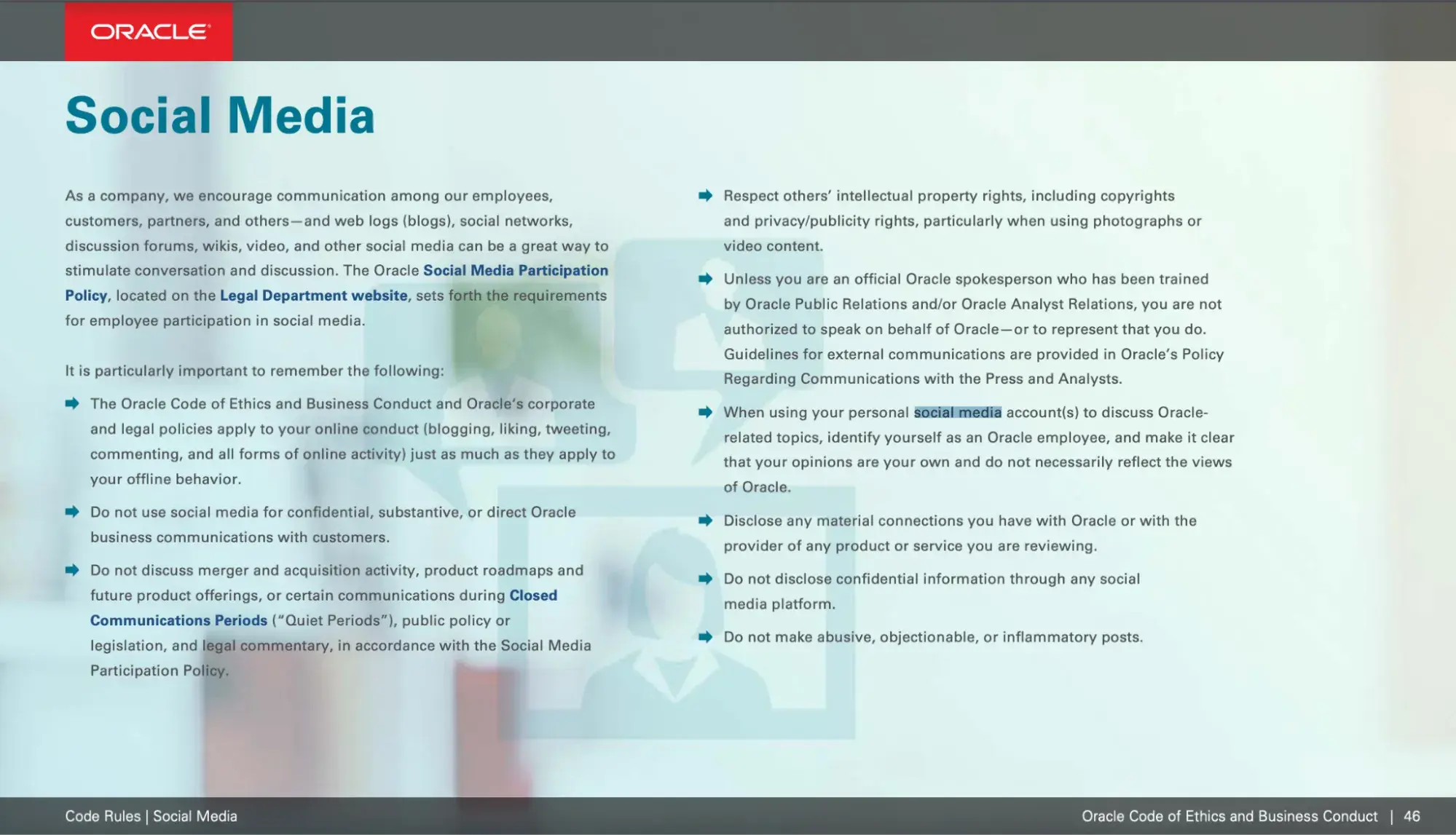
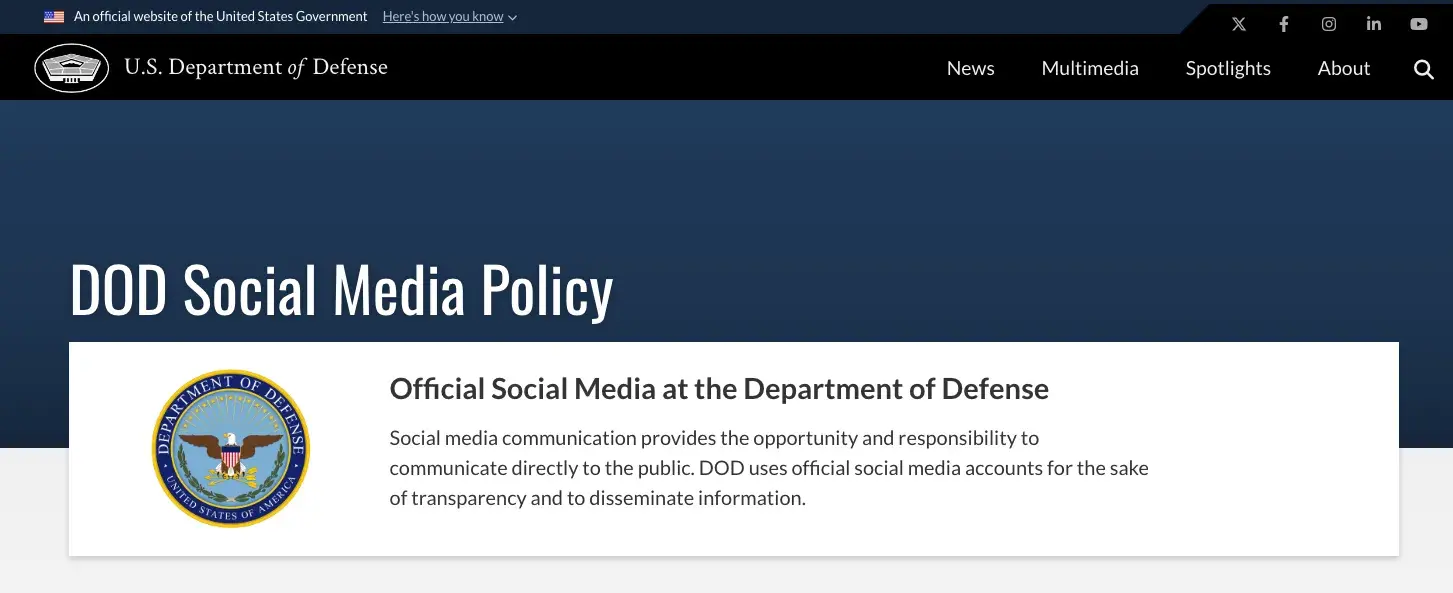
And over the past couple years there has been a lot of discussion and writing in marketing blogs about it: David Meerman Scott has written about the Department of Defense's policy, Todd Defren wrote about social media policies recently, Tamara Schweitzer gave some tips on Inc.com, Charlene Li of Altimeter create a resource, Sharlyn Lauby blogged on Mashable, Beth Kanter wrote Got Social Media Policy?, and Jason Falls wrote What Every Company Should Know About Social Media Policy. I'm sure I missed a ton of others, let me know if there are big ones missing.
In all this discussion, I always felt uncomfortable telling people to create a social media policy. We don't have a social media policy at HubSpot. But I didn't want to recommend something against common wisdom for fear of getting virtually wacked by the social media mafia.
But, enough is enough. Let's end the madness today.
Social Media Policies are Unnecessary and Distracting
I don't think companies need a social media policy. In fact, having a specific social media policy runs counter to the whole point of marketing and customer service. No single channel of interaction is more important than others. Social media is not something weird or different, it is just one of many ways your company interacts with people. Giving social media its own policy implies that phone, email and in-person interactions are not important or less important. If a customer sends you a message by carrier pigeon - dammit you should answer - even if you don't have a "fowl messaging policy".
For example, if you have a store and a customer complains to a cashier about something, and your cashier yells at the customer telling her she is wrong, you'd fire the cashier on the spot. Same thing if that happens on the phone or email. No "policy" needed. It just makes sense that you treat customer right. You don't have a "voice media policy" or an "email communication policy". And I say that if that same interaction happened on Yelp or Facebook, you should fire them too. Even without a policy.
In the B2B world, if you saw one of your employees drunk at a tradeshow and they said a bunch of disparaging things about a customer you'd probably fire them. Again, no policy required. So why is that different if they get a little tipsy and tweet something insulting about a customer? It's not.
I think the best "policy" is to hire smart people, give them the right coaching and training, set the correct culture around customer interaction, and then punish those who misbehave.
Rather than having a social media policy, if you feel like your company needs something, how about creating a communication policy that governs all communication, no matter what medium.
Your thoughts on a social media policy? Leave a comment below.
Photo Credit: bookgrl
Victoria 9:07 AM on June 30, 2010
I totally understand your point, but I think social media policies are implemented primarily because businesses are afraid of social media, as they some perhaps see it as a whole new world, versus just another marketing/communication tool.
Dan Phelan 9:10 AM on June 30, 2010
Only policy any company really needs is a guideline that their employees aren't allowed to spend their entire work day on twitter and facebook under the guise of 'social media marketing'.
Philippa 9:12 AM on June 30, 2010
Thanks for the resources Mike! and your opinion! I definitely agree with you there...people simply need to make intelligent decisions.
Nathan King 9:14 AM on June 30, 2010
I agree that things like conversation policies, email policies, etc are not necessary, but when it comes to social media I think the policy is needed. At work, Joe Smith doesn't talk about the shenanigans that occurred at the bar over the weekend, but might be compelled to tweet about it. If in the next tweet, he mentions his company name, that can be a problem. Social technologies are still new - and our society isn't accustomed to having their conversations so well documented/archived and searchable.
Rick Kollmeyer 9:16 AM on June 30, 2010
Social media needs to be treated the same as any other corporate communication when it comes to branding, message, customer support and most importantly, legal compliance.
Like it or not, highly regulated industries, like health care and financial services, must have policies for social media that fall in line with existing policies for other forms of communication.
Helen Trim 9:20 AM on June 30, 2010
I understand your point but I think the process of going through putting a social media policy in place reminds employees that social media is in fact a very public space. You'd be amazed at how many times I have seen major PR gaffs from staff that should no better but forget for an instant that they are not having a private conversation with a few individuals!
Bryce Raley 9:21 AM on June 30, 2010
I think social media policies are great! Great at stifling creativity. Great at putting up a roadblock to action and great at preserving the status quo.
Kyle York 9:24 AM on June 30, 2010
Couldn't agree more...
http://twitter.com/DynInc/status/17413611688
John McTigue 9:25 AM on June 30, 2010
I agree with Rick K that you can't have a blanket policy about policies. Sometimes more strict regulation and compliance is required. The other thing is, from a sales and marketing perspective, it doesn't matter what we think. What counts is what senior management, Board and shareholders think. Yes they often fear the freedom of speech aspect of social media, and there have been notable gaffes that have led to serious PR problems. These things need to be taken into account, even if it has a depressing effect on corporate culture. If you are trying to sell inbound marketing to a company (as we are), you have to be sensitive to these issues, and if a policy is needed, so be it.
Lee 9:25 AM on June 30, 2010
Hi
I think creating a social media policy is essential for certain businesses. It depends on the nature of that business in my view. If you are working for an NGO and you have offices in Gaza or Chechnya for example, it would make sense to create a policy that informs employees that if they are to use the tools of social media, do so sensibly and within a certain framework . For Example, if you are an aid worker in Chechnya and you start blaming the Russian government for this and that on Twitter- they may close the office down thus removing any help the people of Chechnya need. The same applies for places like Gaza, Sudan and Haiti etc.
It's important that all employees know and understand the limits of their interactions and sometimes it may be against their own personal view. The business objectives in these cases should take priority
It's not that business are afraid of social media, rather it is about the need to set the right tone and delivering the right type of messages according what is best for the business
thanks
Heather 9:25 AM on June 30, 2010
A bad cashier yelling at a customer is an isolated incident. The only witnesses are those who are there at that moment. A bad response to a question on facebook can be witnessed by hundreds of loyal consumers/fans/like-ers, who can then re-post or add their own responses. The potential for something to get out-of-hand online is much higher than in person.
Further, isn’t good training & coaching just the verbal equivalent of a policy?
A policy allows for employees to be clear on what is and is not permitted so that the “ask for forgiveness, not permission” attitude cannot apply. From an HR standpoint, it would seem to me that if there are actions which could result in termination, they should be as clear as possible to the employee.
Nathan King 9:25 AM on June 30, 2010
As for a policy that details all elements of communication, I think a lot of it is just common sense. However, like Rick mentioned above, there is legal compliance to worry about. I think these decisions differ on a case-by-case basis.
Sandra Pearson 9:27 AM on June 30, 2010
Ah yes - a little common sense goes a long way!
Josh Payne 9:27 AM on June 30, 2010
I think you've basically elaborated the more enlightened policies. IBM's policy (written many years ago at this point) was basically "use your judgement because we trust you and make sure we don't get sued by saying that these opinions are your own because we get sued all the time"
http://www.ibm.com/blogs/zz/en/guidelines.html
Lee 9:27 AM on June 30, 2010
Hi
I think creating a social media policy is essential for certain businesses. It depends on the nature of that business in my view. If you are working for an NGO and you have offices in Gaza or Chechnya for example, it would make sense to create a policy that informs employees that if they are to use the tools of social media, do so sensibly and within a certain framework . For Example, if you are an aid worker in Chechnya and you start blaming the Russian government for this and that on Twitter- they may close the office down thus removing any help the people of Chechnya need. The same applies for places like Gaza, Sudan and Haiti etc.
It's important that all employees know and understand the limits of their interactions and sometimes it may be against their own personal view. The business objectives in these cases should take priority
It's not that business are afraid of social media, rather it is about the need to set the right tone and delivering the right type of messages according what is best for the business
thanks
John Stone 9:28 AM on June 30, 2010
Wow...this could not be more off-base and short-sighted. What company doesn't have policy for firing people? Let the lawsuits fly!
Lee Kirkby 9:29 AM on June 30, 2010
It strikes me that what we are talking about is a communications policy and how you express opinions and still respect the company's need for responsible communications. In the past only the "Official spokesperson" spoke for the company. With the advent of social media it is possible for anyone to be tagged as the spokes person for the company...didn't a certain US military leader just run afoul of this situation. It was not social media but inappropriate discussion with more conventional media that did him in.
Wizard Prang 9:30 AM on June 30, 2010
I'm not sure about a "social media" policy, but more firms need a "no-gossip" policy.
The problem that so many of these policies and laws are trying to solve is discretion.
Gary Bury 9:34 AM on June 30, 2010
I agree with you, ditch the policies, hire smart people.
Kestrel Lemen 9:37 AM on June 30, 2010
The integration of social media and traditional communication will need to be considered in one policy. The combination of the two is inevitable and must be planned out together. I see policy as just another part of social media/communication strategy, which is the much meatier issue. The company's culture around social media and the size of the company, will determine whether or not the policy will need to be emphasized in the strategy.
Kate 9:39 AM on June 30, 2010
I agree with what you are saying that all communication should be a public relations strategy and just plain common sense. Unfortunately, not all people/employees are smart and lack common sense; they need everything laid out for them - these social media policies are in place for those people.
Chris E 9:41 AM on June 30, 2010
I agree with Rick K. You're not looking at this from a legal perspective. The reason email, social media and other internal policies exist is a matter of legal protection of the company, its brand, reputation, other employees, etc.
Sure - it goes without saying that common sense goes a long way, which is why I think when drafting these policies it's important to hold back on being condescending when defining what social media is and what is appropriate use.
One case where you'll find it necessary is when that one employee goes rogue online, gets fired because of it and then turns around and sues your company and actually has a case because your company didn't have a policy to protect itself.
Chris Fougere 9:48 AM on June 30, 2010
I understand where you're coming from, Mike. When I think of a Social Media Policy, I think of the differentiation between someone's personal comments when making remarks via the company's social media ("I had a great time at the BBQ last night") versus what the company's message would be ("We held a customer appreciation BBQ yesterday, and it was great").
This probably should be common sense also, but it's a mistake people make frequently.
Mike Volpe 9:49 AM on June 30, 2010
The legal perspective some of you have brought up is interesting. but it would seem to me that you would want a general "code of conduct" not a social media policy, because that would cover you overall. I still don't see how social media should be different or special from other forms of communication.
Chuck Cory 9:55 AM on June 30, 2010
Proper Internet and Communications policy should protect the company from all the problems cited as reasons for a social media policy. I agree with Kestel Lemen. Further, "Social Media" is being given a life of its own, all out of proportion to its value. Only the "social media gurus" benefit from this overemphasis.
Kathy James 9:56 AM on June 30, 2010
I echo Rick's comment, there are real risks associated with social networking for therapists/mental health professionals (the industry that I work in). The ethical guidelines of our practices are mandated by our professional licensing bodies, and whilst clients may perceive that social networking is a great way to connect with us boundaries become blurred/compromised e.g dual relationships, confidentiality breaches. As such we have to be mindful of how we use this form of communication in our industry.
Sonny Gill 9:58 AM on June 30, 2010
I hear you on your argument of why social media shouldn't be set on a pedestal compared to the other forms of communication out there. But what it comes down to is the newness of the space and people's lack of knowledge and experience in how it functions as a truly open communication channel.
To Jason's point, you can't always hire ALL smart people who get it and have it a part of their lives or culture. I agree with you that training/coaching is necessary to alleviate a lot of these issues a policy is trying to cover, but when social media becomes as relevant as email or phone, that is when we'll be able to ditch the policy.
Great thoughts, Mike.
Chris Fougere 10:05 AM on June 30, 2010
Hi, Mike.
I think the main difference between a general code of conduct vs a social media policy would be based on the speed and mass audience of communication that avails.
For example, the phone call you mention affects a small number of people at one customer. The cashier experience broadens the scope a little, as would comments made at a tradeshow.
A social media comment is immediate and widespread. I can't think of a more accessible medium that can address so many people so quickly.
Matt Bamford-Bowes 10:13 AM on June 30, 2010
Disagree. Not totally, but I do disagree. The point to me about a Social Media Policy or Social Media Guidelines are that it reduces the ability to make mistakes, it doesn't reduce the ability to interact.
Yes, social media is a channel or a technology. Yes, it should be viewed as like any other channel, but you need your team members to act as integral member of your team offering a personal viewpoint. Not simply a personal viewpoint.
Meg 10:13 AM on June 30, 2010
We don't have a social media policy here at Sametz Blackstone -- that is, beyond simple common sense and a respect for our clients and for ourselves.
But, as Jason said about Hubspot above, we're a pretty savvy group of people as far as all this social media stuff is concerned -- we know what we should and shouldn't say online, and we've made respect for our clients and for ourselves the first priority in managing our communications.
But that's just it -- we're a communications practice. We have built-in high standards for how we interact in any venue.
If we had dozens of employees who were a) just starting out; b) inexperienced in online communications; c) not accustomed to being connected with their employer online or; d) interacting with (happy or otherwise) clients on a daily basis in very public venues, I think having something in place to make sure everyone understood what was at stake would be an important and common sense step.
And if you think you can fire someone on the spot for doing something you find inappropriate without further repercussions, I think that's a little naive. If you released one of your employees for inappropriate online conduct, you can be sure the debate about their behavior would continue on just as publicly -- unless you threatened legal action, and then what would you base that on? Your nonexistent policy?
The fact is that policies exist to educate people who aren't in the position you're in, and to protect companies with major compliance issues (banks, investment firms, health organizations, etc.) from a lack of understanding on the part of their employees -- and from legal action if they release an employee who creates issues for them online.
The policy SHOULD fit the organization, however; if you have 50 junior employees speaking with customers online, versus our shop of 17 people (who formulate online strategy as a part of their work), you're going to be putting out different messages to your staff.
But a reactionary plan (we'll fire you if you screw up, so we don't need a plan) doesn't really seem to fit the bill.
Steve Hill 10:29 AM on June 30, 2010
This seems sort of counter to what Hubspot's social media blog is all about. If you look at that page, you'll see links to all kinds of articles along the lines of "5 things you must do with social media" or "7 steps to effectively utilizing social media in your company." In my opinion, those kinds of articles tactfully attempt to set ground rules (albeit subtle) for using social media. Yet, this article says rules are worthless. Which is it?
Jason Arican 10:32 AM on June 30, 2010
I agree with you that the general idea should be something as simple as "If you are representing the company, use common sense. More to the point, don't be an idiot". That covers 80% of "policy" and I think speaks to the point of this post.
But there are scenarios outside of this that need to be addressed and understood. For example, reaching out to leads in SM.
For a B2B company, you can't have all your sales reps hounding a prospective client who tweets a question. In this case, all employees need to be aware of the company's policy for response.
Mike Volpe 10:33 AM on June 30, 2010
@Steve Hill - I LOVE social media, and think it is a very important tool that you should incorporate into your company and your marketing. However, with respect to having a dedicated social media POLICY (a document defining the rules of how people interact in social media) I think that is misguided. I much prefer a general code of conduct or something that covers all forms of communication, not just social media specifically.
Chob 10:41 AM on June 30, 2010
You made a point. Perhaps a company just needs to share a strategy and some values, so that employees can behave accurately online and offline ?
Ellen Toay 10:42 AM on June 30, 2010
I think that it totally depends on the industry as to whether a "Social Media Policy" is needed or not. I come from the real estate industry, and I strongly believe that it is time that the industry, as a whole, adopted a Social Media Policy and Procedures manual required to be followed by the agents. There are several reasons for this - a)real estate agents work as independent contractors, and believe me, many of them take the word "independent" much too seriously and 2) the broker-in-charge (BIC) is the one fully responsible for his/her agents doings. Many of the agents (or the brokers for that matter) don't realize that everything that is done on line can be used in a law suit against them - in my state a BIC has to keep all records for five years - that is a state law. So I understand where you are coming from but I believe you are opening up a can of worms by saying that a Social Media policy is stupid as a blanket rule.
Mike Volpe 10:44 AM on June 30, 2010
@Ellen Toay - Do you have a "phone policy", "email policy" or an "in person conversation policy"? If so, then maybe add a "social media policy" to the stack of legal docs. But if not, why does social media deserve it's own policy?
Helen Hammond 10:52 AM on June 30, 2010
The success of social media lies (I think) in seeing it as a tool to help you work more effectively with your clients/customers. You wouldn't have a separate policy to cover off advertising or telephone calls... but you would set out clear guidelines for how all communications need to be handled and regulated. I think having a stand-alone social media policy contradicts the fundamental principles but I similarly think that business ignoring the changing landscape open themselves to risk. The issue is that the way we communicate is changing, and therefore all policies and contracts need to be updated to reflect this... but I don't think you need to throw the baby out with the bath water and have your own policy to restrict. Policies should empower and protect, not restrict. One of my law firm clients has written a great article on "who owns Linkedin contacts" and the employer's responsibilities/risks http://blog.elephantcreative.co.uk/2010/06/01/guest-post-social-networking-and-the-employer%E2%80%99s-confidential-information/
Lee Stacey 10:53 AM on June 30, 2010
A social media policy is absolutely necessery if you have an email policy & telephone policy.
If you have a general communication policy instead, it should be considered and included within that.
It all depends on how granular your policies are. In some industries it's totally necessary.
Doug Haslam 11:05 AM on June 30, 2010
Hmm, I think we have a case of logic spoiling practicality. If you like, you could call it an "External Communications Policy" (or something less sexy) but right now social media would still be a huge part of it, because it's new and needs attention and education, and because everyone in a company potentially (probably!) takes part.
You could widen this to rethink whom and how you train for customer support and interaction-- another case of social media making us do some of the old things better (see: anything having to do with PR)
Gerard McLean 11:08 AM on June 30, 2010
The main reason social media experts advice for a policy is consulting fees for writing one. That's the easy part.
The main reason you need a social media policy is most of this is very viral, very fast. This comment could be circulated around the globe 50,000 times over faster than it takes me to get a fresh cup of coffee. A single interaction with a customer is not viral, or if it is, it spreads 3-7 people before it loses steam. A good "effed-up" tweet will pick up steam as it spreads, not diminish.
So, that is why companies should have policies; so the lawyers can clearly asses blame to an individual, compel any and all services to remove content and exact damages, not to mention disclaim in the PR. No greater than that.
I think you have too much faith in the good in people. Sounds like HubSpot is a great place to work.. until it gets so big that someone eventually will poke your left eye out and you'll wish you had a policy.
Jamie Sanford 11:13 AM on June 30, 2010
I think that many of the commenters above are thinking along the same lines as me, that general guidelines are a good way to let your employees maintain some level of freedom in these channels without harming the company.
I quit my last job, partly because I was in a situation where policy changed and tweets were to be approved by a member of senior management. They implemented a CYA "strategy" that offered no chance of the quality interaction that can come from connecting socially with the target audience. I kept mentioning to them that I had access to email and a telephone, and that if they trusted me to communicate that way, that tweeting shouldn't be any different. They did not agree.
I would love for there to be a time when no guidelines/policies were necessary, but it is unlikely that every organization will trust their employees at that level.
Maureen 11:13 AM on June 30, 2010
On on hand I agree with you, policies can stifle the creative flow and people need to have and use their common sense. On the other hand some industries need the policy to remind those without common sense that they will get in trouble. A blanket communication policy would be the best bet. For example, the mortgage industry has quite a few loan officers who work for a company and blog or tweet on their own, which makes for sleepless nights for the CEO and internal marketing department. In those cases, a blanket policy would be a good choice to protect everyone.
George F. Snell III 11:17 AM on June 30, 2010
Hi Mike:
Of course companies need social media policies. It's a form of public discourse. You can't have employees discussing undisclosed finances, revealing industry secrets, or commenting on products or services still in development. It's also helps protect companies legally and, in some industries, from regulatory violations.
Comparing a social media policy to a phone policy a poor analogy. Phone calls don't last forever on the web and become indexed by search engines.
NOT having a social media policy is rather foolish.
Ramon Trujillo 11:24 AM on June 30, 2010
Hire smart people is a good advice, but I think that what you need to define is where is your personal life ends and your business life begins, should you have 2 different accounts for each Social Media avenue?.
Let's face it, you will probably won't fire an employee that argue with a friend on the phone even when his friend happen to be your customer, the problem is that on Social Media you cannot take it away and is there for everyone to read.
Mike Volpe 11:25 AM on June 30, 2010
@George F Snell III - The concept of online conversations being indexed forever is a good one. There are certainly some different dangers to inappropriate information in an online context. But email can also be published to the web, voicemails recorded and published, in person conversations recorded on video and published - the employee might not be the one to put it online.
Isn't it possible for all interactions today to end up in Google? Don't we need to be more careful about our interactions in all contexts/mediums?
Davey D 11:25 AM on June 30, 2010
I think companies should have a social media policy from a legal standpoint although in terms of how their employees interact with the public I think you're right in saying common sense should prevail.
It should be noted though as a fairly new medium of communication comments, posts and tweets can be more open to misinterpretation so caution should be exercised.
Shawn 11:27 AM on June 30, 2010
Social media is a world that is still not understood by corporations. Policies are a result of this ignorance, and an attempt by corporations to control that which is, essentially, not controllable.
Carly WhiteOak 11:58 AM on June 30, 2010
I would never confuse or incorporate my work SM accounts with my personal SM accounts - I can't understand why anyone would!! Now that IS just common sense!!
John Rode 11:59 AM on June 30, 2010
Like most things having to do with social media, there is an art and a science to it. Sure, you want to have guidelines to help indoctrinate new employees into use of social media while representing your company. But this is no different than other aspects of your sales and customer service, as you stated very well.
If you go overboard with social media policies, you may find that the "art" of social media is undermined, which will also undermine your results. You have to stay genuine or people will not engage with you.
Jamie Sanford 12:01 PM on June 30, 2010
@Carly WhiteOak
It can happen if you're using TweetDeck or similar and managing multiple accounts at once! I speak from experience - although it was easy enough to set straight.
Carly WhiteOak 12:07 PM on June 30, 2010
@Jamie Sanford
I do agree with you Jamie, but if you employ someone to manage your Social Media, then surely they should know the basics of using SM accounts... Is it not all down to training?
Jose Paradis 12:10 PM on June 30, 2010
I think Mike makes a good point when he says:
I think the best "policy" is to hire smart people, give them the right coaching and training, set the correct culture around customer interaction, and then punish those who misbehave.
However, I would add "responsible" and "common sense" to that as well. While companies may or may not need an official policy, I would suggest guidelines that can be used internally just to set some sort of expectation.
While these guidelines should be a given for those with common sense, there is always the possibility that a rogue element would undermine these guidelines.
At that point, the guidelines could then serve as a legal tool to enforce and justify any illicit behavior.
Brian Donnelly 12:14 PM on June 30, 2010
What about a company claiming ownership over any employees SM content that happens to mention their brand? Ive heard of this happening too under a SM policy. I agree that issues that break laws by disclosing is worth monitoring but if you cant trust your employees to use common sense than you aren't hiring the right people.
Ryan Deschamps 12:20 PM on June 30, 2010
I think you are taking 'policy' to mean 'a list of things that will get you in trouble if you do or do not do them.' I have to admit poor managers do treat policies this way and when they do, I agree, it's kind of stupid and based in a ridiculous fear of anything technical.
But policies can also be seen as enablers. Our new policy, for instance, says we encourage staff to engage with social media and advise that they learn the rules of engagement (learn about libel and copyright, employee conduct and confidentiality still matter etc.). Not everyone will be using social media as a marketing/communication tool - for instance, alot of people use it to support hobbies (Ravelry, Library Thing etc.), learn new things (marketing tech blogs etc.), and build professional networks. They need the support of their management when they engage in these things - to understand priorities as it relates to social media, to have structures to help them manage resources and deadlines and so on.
In short, if you know the rules and conditions for playing the game, you'll have a better idea about whether or not the game is for you. If you want to have the added benefits of a staff that are 'out there' supporting your brand with an understanding of your position when they are 'out there' possibly destroying your brand, then a social media policy isn't a bad way to go.
Victor Canada 12:39 PM on June 30, 2010
Mike,
If your objective was to get a lot of comments, congrats. If your objective was to bring attention to an important topic and get people talking. I applaud the effort.
Company policies of any kind are intended to mitigate risks and help define the relationship between employees and a company.
Having a Social Media policy is essential for the majority of companies out there. When a company is sued, there is a real cost to defend the suit; even when they win.
When company policies are not clear, the courts often rule against the company (the governing concept of law: Respondeat Superior which means the bigger entity is responsible).
You say "Giving social media it's own policy implies that phone, email and in-person interactions are not important or less important." It's the actually the opposite of what you say. Most companies (see typical corporate employee handbook) have policies addressing phone, email, and in-person communications. Social Media is equally important and therefore needs to be included in policy.
If someone suggests companies don't need a Social Media policy, I wonder if they would stick to their story if they were liable for any losses incurred if a court rules against the company that listened to them? Hmmm.
Ty 12:41 PM on June 30, 2010
If you're employees using social media don't have common sense, whether or not you have an "official" policy in place won't stop them from saying something stupid on Twitter. Our "unofficial" policy is this. "Be nice. Be polite. Don't say anything that would embarrass you or the company when Tweeting about business matter."
Mark Burgess 12:49 PM on June 30, 2010
Mike,
Good topic with lots of interest. For most companies, however, I believe a social media policy makes sense. Without a sense of goals and objectives in this critically important area, mistakes are made and brands can be damaged. Better to have a policy than not.
Mark Burgess
@mnburgess
Dave Heinrich 1:01 PM on June 30, 2010
Mike - many thanks for such a sterling post! So powerfully said, true & full of such clarity! Not to mention relevancy!
And a hearty cheer to all the rest who have contributed such equally great perspectives & ideas!
Thanks for the excellent discourse!
Geri 1:12 PM on June 30, 2010
No comment about social media, but have to mention that its and it's is so abused in writing. It's is not and never is or was possessive, it is only a contraction, meaning "it is".
When you write "Giving social media it's own policy," you're stating "Giving social media it is own policy." Sigh. I see this mistake so often. The English language can be very weird, and nonsensical, so thank you for letting me comment on this.
Jon DiPietro 1:38 PM on June 30, 2010
Funny, I just commented on a similar post. A blogger who was supported (in spirit and in compensation) by his employer is now taking a new job and there is discussion about who "owns" the content. It's proceeding amicably, but I can't believe this is the rule and not the exception. As I said there, "It's all fun and games until somebody gets hurt." Sorry to disagree, but I think a SM policy is needed (though I agree with you that it's better to have a communication policy that includes everything).
Think of it this way... if you were forming a business with someone, you could make the argument that you don't need a partnership agreement as long as you partner with someone who's smart and set the right culture. Written agreements and policies are there for when things go pear-shaped. Everyone's happy as long as everyone's happy.
Michael Caldwell 1:41 PM on June 30, 2010
"I think the best "policy" is to hire smart people, give them the right coaching and training"...... and what do you base this coaching and training on without a policy?
Linda Chreno 1:56 PM on June 30, 2010
I think, for associations, a social media policy is necessary to help our Board members understand the what, where, why, and how we will be utilizing social media. As an educational tool, policy can help with this because they will need to sign off on it and use it themselves. If there is not a policy for staff, members, and the board - things might get out of hand very quickly.
Billy MacDonald 1:59 PM on June 30, 2010
You're absolutely right in that social media doesn't need a separate policy from any other form of communication. Having a policy for social media is to much when all you need to do is at one time state some obvious guidelines just to say you did and be proactive.
Mike Volpe 2:11 PM on June 30, 2010
@Geri - My English teachers would cringe at my current grammar and spelling. Thanks for pointing that out. I have corrected it.
Katie Russell 2:35 PM on June 30, 2010
I think that having some sort of guideline in place regarding what is acceptable regarding social media is important. As many of the previous comments have pointed out, comments made via social media can spread very quickly and are impossible to erase.
That being said, I agree that some companies might be taking it a little too far by dedicating an entirely separate policy to social media. Simply saying that it falls under the general communication policy is not sufficient though, for the simple reason that some companies allow for more informal (compared to telephone and email, for example) social media interactions than others. Add to this the fact that many employees today use social media for personal connections (which are usually very informal), and it is easy to see how someone, particularly a new employee, could make a comment that is viewed as inappropriate.
In my opinion, the best solution is to create a subsection in the general communication policy regarding social media. It doesn't have to be elaborate, just a statement about how informal is too informal for your particular company.
Darren Cahr 2:56 PM on June 30, 2010
As a lawyer who works in the social media space, I think that this attitude is pretty naive. There are some companies that need social media policies, and others that don't, but deciding not to go through the systematic effort of figuring out what is right for your company from a legal standpoint is nuts. Moreover, there are some social media "policies" that are short and sweet and others that are dozens of pages long and comprehensive, but that's the difference between, say, a company in a regulated industry (like a drug company, for example, which needs to worry about adverse event reporting) and a B2B internet start-up. Trying to base your approach on an abstraction like this is a bad idea. Whether you have a policy or not, and what kind, should depend on your own circumstances and needs, not some broad generalization.
Joe Sharron 3:14 PM on June 30, 2010
Mike I hate to break the news to you but HubSpot does indeed have a defined Social Media policy.
Our official Social Media policy is that we don't have one.
@joesharron
Bill Grunau 3:20 PM on June 30, 2010
When phones were the primary method of communication nearly all companies had STRICTLY enforced phone policies as they were worried about employees using phones for personal use.
When PCs first came out companies developed STRICT computer use policies as they were worried employees would play games all day or use them for personal use.
Then when the internet came out nearly all companies came out with STRICT internet policies as they were worried employees would use it for personal use, play games, watch porn, etc.
As you can see there is a pattern. Every time a new technology comes out corp management is worried that the staff will do something illegal with it or it will become a distraction and affect their work in negative way.
So it is with Social Media. Those that do not understand it see it the same way they saw the phone, PC and internet when they first came out. Their thinkings "What good is this new fangled thing anyway? Employees should be working, not screwing around on the internet or twitter."
In fairness there is a need for "guidelines" to prevent harrassment, profanity, and ensure appropriate conduct when at the company or acting on its behalf. However, the idea of having STRICT and rigid controls is like trying to control the wind or speach, it is going to go its own way regardless of how many rules you put in place. This has been demonstrated with all of the previous technology rules.
In the end, the rules will be made, largely ignored and eventually many of them will become irrelevant and outdated. My thinking is that existing rules already cover social media use and with the exception of the gov and military most corps don't need additional rules.
Bill Grunau
Cecily 3:47 PM on June 30, 2010
Very interesting discussion. I think it depends on the culture of the organisation whether there is a policy document or whether it is guidelines, or nothing at all. I'm a believer in setting out benchmarks so that people know where they stand and if things go wrong there is a point at which to start discussions, people know the consequences if they have behaved inappropriately. SM is a terrific communications method and is here to stay so give guidance as part of induction or training. So it will mean that something on SM needs to be written somewhere.
Tran Tran 4:11 PM on June 30, 2010
I agree with Heather's previous comment: training is a verbal form of having a policy acknowledged, though informal.
I also want to add to that: If a company has a specific policy, the firing of those who violate will be more substantial and justified. One won't have to argue with the employee why it is not really ok to criticize his or her company or customers on social media, it will be just according to policy. Intelligent supervisors who have solid common sense are one thing, but we cannot be sure that employees, too, will think clearly before posting something online.
Having a standard policy will help clarify the supposedly common sense.
John William Clevenger 4:49 PM on June 30, 2010
Whenever I talk to potential clients, I always explain that SMM must be fully integrated into a consistent, well-crafted strategic plan, not a standalone marketing policy, to support your marketing objectives and promote your brand in order to help your organization
David Siteman Garland 6:01 PM on June 30, 2010
I'm with you Mike. Again, another advantage to smaller companies on social media. You don't need to call 48234854868 lawyers before tweeting.
Kyle James 7:21 PM on June 30, 2010
@Mike - I don't remember where I read it (seems like it was microsoft or ibm?), but the best social media policy I ever read was one sentence.
"Don't do anything stupid."
I think that pretty much sums up what you are saying here so I guess we totally agree, but that isn't really surprising.
Anna 10:33 PM on June 30, 2010
I think the problem is the idea of "one-size fits all" which doesn't work in any business environment.
If a school wants to use social media to communicate weather and other cancellations to students, they need a policy.
If a business has a business reason to use social media, they should have a social media policy.
However, businesses and nonprofits should not have a social media policy just because "everyone else has one."
Find a need social media helps with FIRST. If you can truly define a need that social media truly helps, then yes, a social media policy would be useful.
However, social media is just one tool in the toolbox. Make sure you really need the tool before you take it out of the box.
Vivienne Storey 10:43 PM on June 30, 2010
I don't know about the USA but in Australia you cannot simply fire someone for something that they don't know (or weren't informed) they shouldn't do. Hence policies.
Social media is still incredibly grey in terms of privacy issues and I think it would be negligent risk management for companies not to provide some kind of framework (policy) in the best interests of their employees.
It's incredibly naiive to assume that people simply "know" what's acceptable behaviour (or "stupid"), and what's not. It's self evident from the numerous issues encountered worldwide with employee access to social media that many people have little idea of the very public nature and therefore impact of mostly unintentionally inappropriate posts. Training can go a long way to sort this out but a policy makes it clear for everyone.
I also think many companies are (unnessarily) afraid of this relatively new medium and a social media policy helps them make the leap - if so, let's encourage policies as the more companies using social media the better for the consumer.
Agree we will eventually end up with a "communication policy" or "social policy" that covers all methods of communication, electronic or otherwise. In the meantime, lets encourage B2B use of social media via a poliy.
Pamela Rosenthal 11:18 PM on June 30, 2010
Hi Mike,
Great topic for discussion, but I agree with the policy supporters. It's common sense to have a social media policy. Policies are helpful for many reasons -- they clarify behavior, especially in grey areas like social media where what is perfectly acceptable to one person, may not be to another. Policies protect both the employer, the company's clients, customers and the employees. Further, policies indicate that a company has thoughtfully planned their activities and has acknowledged risks and taken action to control or mitigate these risks. This is obviously a requirement for regulated industries where there could be considerable and serious repercussions to the company if employees inadvertently post content or participate in ways that are undesirable. Policies ensure that everyone is one the same page. Assuming that they are bad is pretty idealistic and may work for small companies until someone violates the unwritten policy in a way that has material impact on the company. Good organizations plan for all contingencies and, hopefully, work through their policies to arrive at mutually beneficial solutions for all parties.
Neil Crump 4:19 AM on July 01, 2010
I really liked the honesty in this post.
In the highly regulated sectors in which I work (healthcare, primarily pharmaceuticals) it is essential to have some type of governance and policy in place both at the international and individual company level. In the SM space some poor behaviour by one person on the other side of the world can have HUGE impact on an organisation.
In my experience SM policy can set the tone and actual help (reluctant) companies to engage in proper dialogue.
Neil Crump 4:33 AM on July 01, 2010
I really liked the honesty in this post.
In the highly regulated sectors in which I work (healthcare, primarily pharmaceuticals) it is essential to have some type of governance and policy in place both at the international and individual company level. In the SM space some poor behaviour by one person on the other side of the world can have HUGE impact on an organisation.
In my experience SM policy can set the tone and actual help (reluctant) companies to engage in proper dialogue.
Frederik Van Lierde 6:13 AM on July 01, 2010
I agree that in 99% of the companies such a policy is not needed. But in 1% it is, certainly when you talk about companies who are related to las, like Tabacco industries or Car Industries.
I don't think they need to create a new policy, just update there excisting policies. But it is needed to explain this to the employees.
I agree with you to hire smart people, and the managers should analyze the people on the result and quality of the work. Not things around
Frederik
David Harkleroad 8:51 AM on July 01, 2010
While I am sympathetic to the argument and have long been a proponent of Nordstrom's rules (see below...), I do think most companies need a policy.
Yes, social media activities are, or should be, covered by existing policies. However, a good set of rules don't just prevent, they permit and instruct as well.
When email was emerging (OK, I'm dating myself here...) as a replacement to memos (remember those???) employees had to learn new rules of behavior - I'm sure everyone has heard a story about someone's disastrous 'reply all' by mistake email. Largely what happened in the shift from paper to electrons was a compression of time: when you wrote a memo on the typewriter, with all the carbons, it was often for someone else - you proofed it to get it right, and they read it before it went. And, in some cases, you could even intercept it if you really had second thoughts. Not so with email. While an important email message should have the same care, technology makes it too easy to send immediately.
So, my advice, write the policy. But do make sure it does what you want it to.
David Harkleroad
http://haygroup.com/ww/Index.aspx
Nordstrom Rules: Rule #1: Use best judgment in all situations. There will be no additional rules.
Please feel free to ask your department manager, store manager, or division general manager any question at any time.
Military Lending 9:43 AM on July 01, 2010
Americans want to know first-hand what is going on on the other side of the world, where our troops are stationed and representing us. We have a right, as well as our soldiers, to know what is going on over there. I feel very strongly about the military easing up on their "rules" for social media.
Joe Sharron 1:36 PM on July 01, 2010
Rather than put pen to paper and forge a SM policy stating what employees can't do how about crafting a SM Strategy?
Show your employees how they can leverage the benefits of SM for talent acquisition, employee retention, prospecting, sales, customer relationship building, support, and inbound marketing.
Ira S Wolfe 3:58 PM on July 01, 2010
Depending on the culture and industry, policies and guidelines may be necessary. I agree with the others who mentioned that a social media "policy" should be part of a larger communication policy. But here's the real "stupid" part. Social media encompasses more than Facebook and Twitter. What about blogs, video, podcasting? What about monitoring the web for customer reviews and responding to complaints...and applause? What about recruiting candidates? And let's not forget about mobile phones. IT departments that block networking sites are only fooling management. So what if I can't check Facebook and Twitter online - I'll just do it on my phone? And would you really terminate your top producting salesperson who has 5,000 LinkedIn connections and 5,000 Facebook friends for violating company policy about spending too much time online? And as soon as you may an exception for salespeople and HR, you've opened up a huge can of worms. For inorder to monitor what's too much usage, enforcement of the policy becomes your business, forget the customer. What's need are guidelines, training, and better hiring!
David Harkleroad 4:49 PM on July 01, 2010
Ira S Wolfe's point is exactly why we took the initiative to create a social media policy (which refers to existing policies), well before any of the points he raised became an issue; we wanted to ensure transparancy, reassuring everyone (including legal and HR, who were involved) that we were acutely aware of all the risks, while pointing out the benefits, and giving examples.
I'll reiterate my previous point that I personally think Nordstrom's good judgment policy reflects my druthers, but the reality is that we live in a world where technologies are advancing faster than people's ability to absorb them. There have already been cases where tweets have caused companies to lose business because of an offhand comment that in hindsight (which is too late) appeared innocuous.
Again, I think a policy, thoughtfully arrived at provides both education as well as protection. But that also means that multiple constituencies need to be involved.
David Harkleroad
http://www.haygroup.com/ww/Index.aspx
Ira S Wolfe 5:04 PM on July 01, 2010
@ David - great points.
@ everyone - I apologize for the typos...too much to write on blackberry.
Paul Dougherty 10:15 AM on July 02, 2010
A social media policy is just a continuation of the loss of common sense in America, but if you are running a company with significant assets and don't have one - you are just lazy. It's so easy, you would be so lucky that it is a real business problem.
Shel Holtz 6:03 PM on July 02, 2010
@mike - No, companies don't have separate policies for email or the phone. But they did when each of these were new because it's outright stupid to think that all employees -- regardless of how smart they are -- will connect existing policies they haven't read in years to a brand new technology.
The company I worked for when email was introduced most definitely had a policy just for email, and so did many others. And companies did issue phone policies in the late 20s and early 30s as phones were first introduced to the workplace.
So why should social media be any different? I've elaborated on this on my blog: http://bit.ly/91HcYi
Bernie Borges 10:31 AM on July 03, 2010
Mike,
I'm in modest agreement. I can't agree 100% simply because to say no company on the planet should have a social media policy doesn't make sense to me. Clearly for many companies (like HubSpot) there is no need for one. What about global companies with tens of thousands of employees in different languages/cultures? Overnight, any employee can post a video with an opinion on product and industry issues, which was previously only a communication handled by the PR department.
I agree that a communication policy is the way to go, as long as it is updated to specifically give guidelines on how to use (and not use) social media. Large companies are wise to have employees sign off that they've read the updated communication policy and they understand the social media guidelines. This allows the company to have legal recourse if needed.
BTW, I'm intently using the word "guidelines." I don't think a policy should dictate how to use social media, but rather provide guidelines that are relevant to their business and industry. For example, guidelines for NASA employees could be different than for Disney employees.
It's definitely a debatable topic. In the end, I think some companies are wise to have a social media policy even if it's rolled up in their communication policy.
Bernie Borges
@berniebay
Aslan 9:45 AM on July 07, 2010
Really, its true, you just need expert responders whether that's face to face, on the phone or on line. And management need to be committed to meeting customer needs. Without both of these, at the same time, you'll be in the soup. And that, simply stated, is a communications policy that covers all networking.
marlon.sml 3:16 PM on July 15, 2010
Policy and restrictions are being decided everyday by IT managers. The security of company networks are at stake but the potential for innovation using social media is a large enough carrot for the discussion of how to properly utilize the medium continues. Palo Alto networks came up with a whitepaper, http://bit.ly/d2NZRp, which will explore the issues surrounding social media in the workplace. It is important to not only understand the immediate benefits of doing business how one lives, but the threat it presents to a company's greater ROI and productivity when it comes to the server's safety and security.
marlon.sml 3:17 PM on July 15, 2010
Policy and restrictions are being decided everyday by IT managers. The security of company networks are at stake but the potential for innovation using social media is a large enough carrot for the discussion of how to properly utilize the medium continues. Palo Alto networks came up with a whitepaper, http://bit.ly/d2NZRp, which will explore the issues surrounding social media in the workplace. It is important to not only understand the immediate benefits of doing business how one lives, but the threat it presents to a company's greater ROI and productivity when it comes to the server's safety and security.