Social shopping has gone from novelty to the norm. Whether it’s skincare, shoes, or even software, modern consumers can buy just about anything without ever leaving apps like Facebook, Instagram, or TikTok or pulling out a credit card.
![Download Now: The 2025 State of Social Media Trends [Free Report]](https://no-cache.hubspot.com/cta/default/53/3dc1dfd9-2cb4-4498-8c57-19dbb5671820.png)
As a consumer, my purchase path has shrunk from “see something, Google it, visit site or store, check out” to simply “see, tap, buy.” As a marketer, I’ve watched brands race to build native storefronts and affiliate programs.
eMarketer’s 2026 US Social Commerce Forecast predicts U.S. social commerce sales will surpass $100 billion for the first time in 2026, and my fellow marketers agree. According to HubSpot’s State of Social 2026, 67% of marketers expect social media to become even more important over the next two years.
Social media shopping blends discovery, validation, and purchase to capture the entire buying experience in one easy place. So, if your brand isn’t actively selling on social, now is the time to set up shop.
I’ll share practical strategies and best practices to help your brand stand out.
Table of Contents
- What Is Social Shopping?
- Social Media and Online Shopping: Today’s Landscape
- Social Media Shopping Trends: Why Brands Need Social Shopping
- Best Practices for Your Social Media Shopping Strategy
- The Future of Social Shopping in 2026
- Don’t Sleep on Social Shopping
The State of Social Media in 2025
Explore the top trends in social media for brands to know and optimize your social strategy.
- AI Content Creation
- Community Building
- Social Media Shopping
- Social Vs. Search Engine
Download Free
All fields are required.
Form not available
What Is Social Shopping?
Social shopping is the process of discovering, evaluating, and purchasing products directly in social media apps. It is also sometimes used to describe a buying experience strongly influenced by social media interactions and social proof (think influencer recommendations, user-generated content, etc.).
Social shopping vs social commerce
While often used interchangeably, there is a distinction between social shopping and social commerce.
Social commerce is the broader umbrella for selling on social media that includes platform-native storefronts and checkout tools (i.e., TikTok Shop), while social shopping describes the consumer behavior that drives it, like discovery through creators, communities, and platform-native content, then purchase without ever leaving the app.
Unlike traditional e-commerce, where a shopper arrives at your website with search or purchase intent, social shopping thrives on discovery.
For example, say a user scrolling through Instagram encounters a product in a creator’s review video. They tap the Shopping tag, see social proof in the comments (and perhaps product page), and check out — all in one session, without visiting a brand website.
In old-school e-commerce, a consumer would likely go directly to the retailer’s website, click through an email, browse, add to cart, enter their payment information, etc. Sure, banner and social media ads can help speed up this process, but that’s more of a paid advertising strategy.
With social commerce and shopping, the organic path from impression to purchase has never been shorter.
Some of the major platforms where social shopping happens today:
- TikTok Shop: Offers in-app purchasing through shoppable videos, LIVE shopping streams, and the Shop tab. According to eMarketer, TikTok Shop U.S. sales will surpass $20 billion in 2026 and exceed $30 billion by 2028.
- Instagram Shopping: Offers product tags in posts, Reels, and Stories; Shop storefronts; and collaborative collections with creators. About 130 million users interact with shopping tags monthly, and brands using Reels report 55% higher conversion rates than those using other formats.
- Facebook Shops: Offers digital storefronts with in-app checkout reaching a massive buyer base. Facebook’s Family of Apps averaged 3.43 billion daily active people in March 2025, making it the largest social commerce buyer base in the U.S. by reach.
- Pinterest: High-intent product discovery through visual search and shoppable Pins. 85% of weekly Pinners have made a purchase from a product Pin.
- YouTube Shopping: Product tags in long-form video and Shorts. YouTube invested heavily in live shopping events, which drive 30% higher conversion rates than standard e-commerce pages and average order values 50–70% higher than those for recorded content.
Social Media and Online Shopping: Today’s Landscape
The scale of social commerce in 2026 is hard to overstate. Here’s what the data shows about how deeply social shopping has altered the customer journey in 2026:
- There are 117.1 million social media buyers in the United States, equal to 33.5% of the country’s population (SellersCommerce)
- 54% of U.S. internet users completed at least one social media purchase in 2026. (eMarketer)
- Social commerce represented 6.9% of U.S. retail e-commerce in 2025 and is projected to reach 9.3% by 2029 (eMarketer).
- According to HubSpot’s 2026 State of Social Media Report, 85% of marketers believe social media is becoming more important for brand-building than performance marketing, and 73% say it’s harder than ever to stand out organically.
- Globally, Mordor Intelligence estimates the market at $2.1 trillion in 2026 and projects it to reach $7.55 trillion by 2031.
Meanwhile, marketers reported it as one of the top ROI driving marketing channels in the 2026 State of Marketing.
Marketers also said that consumer shopping habits are the most valuable type of audience data when it comes to personalization. It is easier to measure and track shopping habits on one digital platform than on a separate digital platform.
HubSpot Marketing Hub and its AI-powered social media tools can help you plan, schedule, and analyze social content across Facebook, Instagram, X, and more. It also gives you the performance data you need to know what’s driving social commerce conversions and where to double down.
The State of Social Media in 2025
Explore the top trends in social media for brands to know and optimize your social strategy.
- AI Content Creation
- Community Building
- Social Media Shopping
- Social Vs. Search Engine
Download Free
All fields are required.
Form not available
Social Media Shopping Trends: Why Brands Need Social Shopping
My experience has taught me that the brands winning on social commerce aren’t the ones with the biggest budgets, but the ones who really embrace the reasons why social shopping works. Here are the four that matter most.
It meets customers where they already are
The average person spends almost three hours per day on social media and interacts with around 6.8 platforms per month. And this isn’t passive browsing; 26.9% of users visit social platforms specifically to find products to purchase.
As Dheena Allen, Digital Operations Manager at Ulta Beauty, put it to my teammate Justina Thompson, “Entertainment and commerce are no longer separate entities anymore, especially on platforms like TikTok and Instagram, where the line between entertainment and shopping has blurred immensely.”
I know what you’re thinking: “I already do social media marketing, it’s the same thing,” but it’s not.
Every redirect from a social platform to an external website (like in a standard social media marketing post) results in a 60–70% loss of potential buyers. Native checkout eliminates that friction entirely.
Social proof builds trust
People don’t trust brands; they trust other people. Social shopping works because it brings together discussion, questions, reviews, creator demos, and user feedback from real consumers. This gives consumers a sense of security and helps them feel more comfortable buying from them.
When a shopper sees a real person like them using a product and benefiting from it, it affirms to prospects that the brand will actually deliver on what it promises, and they’re “safe” to make a purchase.
Don’t believe me? According to eMarketer, peer-driven recommendations now influence 59% of shoppers. So, prioritize UGC and creator partnerships with transparent disclosures and genuine product fit over paid placements that feel forced.
HubSpot’s Social Media Management tools let you monitor brand mentions, comments, and UGC performance across platforms to identify which social proof signals are moving the needle on your social shopping content. It will also help you schedule and publish content like case studies and testimonials to your platforms.
Fosters authentic connections that convert
As both a marketer and a consumer, I’ve noticed the same thing from smart social commerce brands: they lead with entertainment and education, not promotion. The product is present but secondary. And this makes sense.
Inbound marketing emerged because modern consumers began drowning out channels that forced messages on them, like billboards and commercials. Digital methods like social media work because they take a less abrasive approach to educating audiences on their product.
Dheena Allen agrees. “… Consumers respond well to traditional ads or hard sell tactics, so it’s important that the content feels natural, relatable, and entertaining first,” Allen explains. “That means incorporating products into stories or trends in ways that don’t feel forced but still highlight their value.”
Our data backs this up. HubSpot’s State of Social 2026 found 76.56% of marketers say authenticity is more important than production quality, and humorous content drives the highest engagement on TikTok at 30.12%, outpacing brand and product marketing content (24.90%).
Raw, real content outperforms polished brand on most platforms.
Leverages AI for personalized experiences
Our report found 94% of social media marketers now use AI in their workflows in some capacity.
For social commerce specifically, AI is enabling hyper-personalized product recommendations within feeds, automated creative iteration for shopping ads, and real-time catalog matching between creator content and product inventory.
TikTok’s unified AI-optimized shopping ad system GMV Max, for example, automates bidding, audience targeting, and creative placements across the feed, search, Shop tab, and Pangle network from a single campaign setup.
Many platforms also allow for automated messaging and other AI-powered engagement.
For brands, the practical takeaway is to feed social algorithms with volume and diversity. More content means more value to followers and more opportunities to get discovered.
The State of Social Media in 2025
Explore the top trends in social media for brands to know and optimize your social strategy.
- AI Content Creation
- Community Building
- Social Media Shopping
- Social Vs. Search Engine
Download Free
All fields are required.
Form not available
Best Practices for Your Social Media Shopping Strategy
Based on HubSpot’s 2026 State of Social Report and current platform data, here are the platform-specific practices that are driving social commerce results.
Instagram Shopping: Reels + Creator Collabs + Product Tags
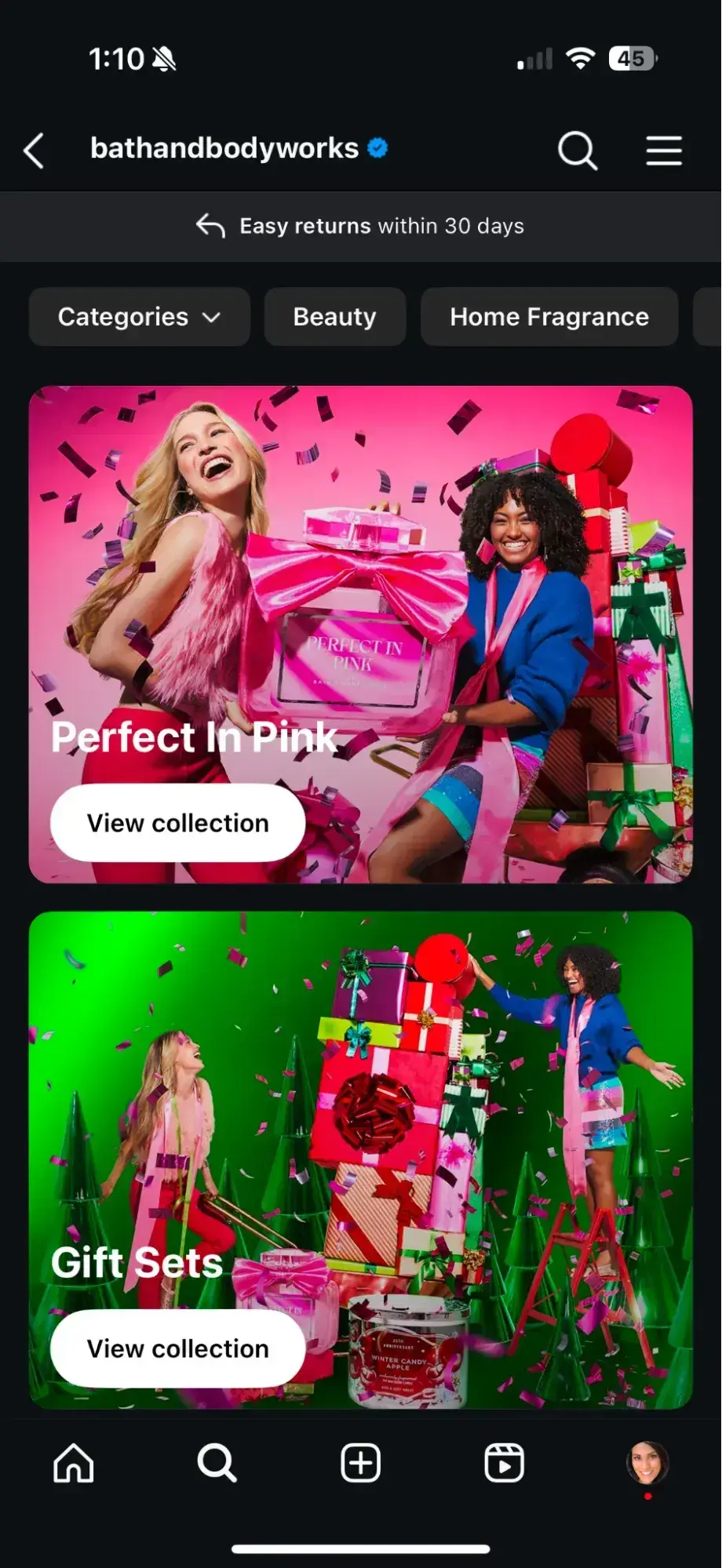
Instagram remains the most widely used social platform among marketers at 79.56%, and the top performer across every major metric, according to our survey. To get the most out of it:
- Get approved for Instagram Shopping: If you sell a physical product, take the time to get approved for Instagram Shopping to help reduce friction in making a purchase.
- Tag products in Reels: Instagram users spend 50% of their in-app time watching Reels and Reels with product tags see 30% higher engagement than standard posts.
- Activate collaborative collections: Let influencers curate product lists by saving products from your catalog to boost social proof.
- Promote your Instagram Shop actively: Use Stories with link stickers, run Reels that demo products with links, and consider Instagram ads that highlight Shop products to targeted audiences.
Learn more about using Instagram Shopping in our article: “Does Instagram Shopping Drive ROI? New Data on How to Get Approved, Add Product Tags, & Actually Make Sales”
TikTok Shop: Lead with Paid, Layer in Organic, Use Creators for Trust
 |
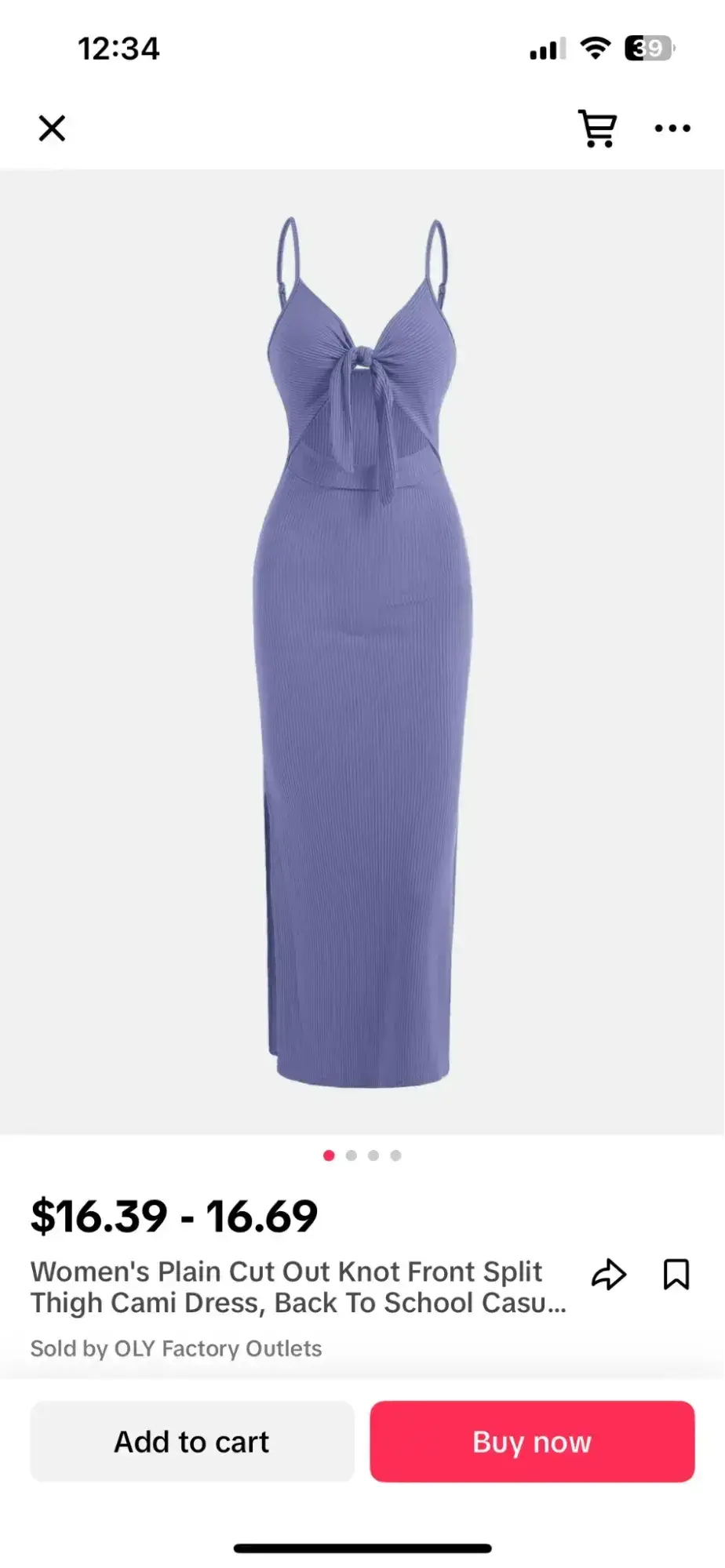 |
TikTok is the defining social commerce story of 2026. Its 87.3% year-over-year revenue growth and 4.7% conversion rate make it the highest-performing social commerce platform.
And considering how many products I have taunting me in my TikTok Shop saves, I’m not surprised.
According to HubSpot’s 2026 State of Social Report, TikTok marketers leverage paid ads and boosted content (68%) far more than organic content (45%) or sponsored influencer content (38%). So, here’s what you should do:
- Start with paid ads to build reach: TikTok’s GMV Max system consolidates all shopping ad formats (product, LIVE, and video shopping ads) into a single AI-optimized campaign. Set your products, ROI target, and budget; the algorithm handles the rest.
- Layer in organic to build community: Short product demos under 30 seconds convert best. Optimize captions and on-screen text with the keywords your audience actually searches, not brand language.
- Use creators for trust: TikTok is the 2nd-most-popular platform for influencer marketing at 60.82%, according to HubSpot’s 2026 State of Social Report. Check out TikTok’s affiliate program to find someone who is a good match for your brand and values.
- Be funny: Our survey found humor drives the highest engagement of any content type on TikTok at 30.12%. This aligns with something marketers have known for years: make people laugh. Lead with entertainment to grab attention, then integrate the product naturally.
Pinterest: Capture High-Intent Shoppers Early
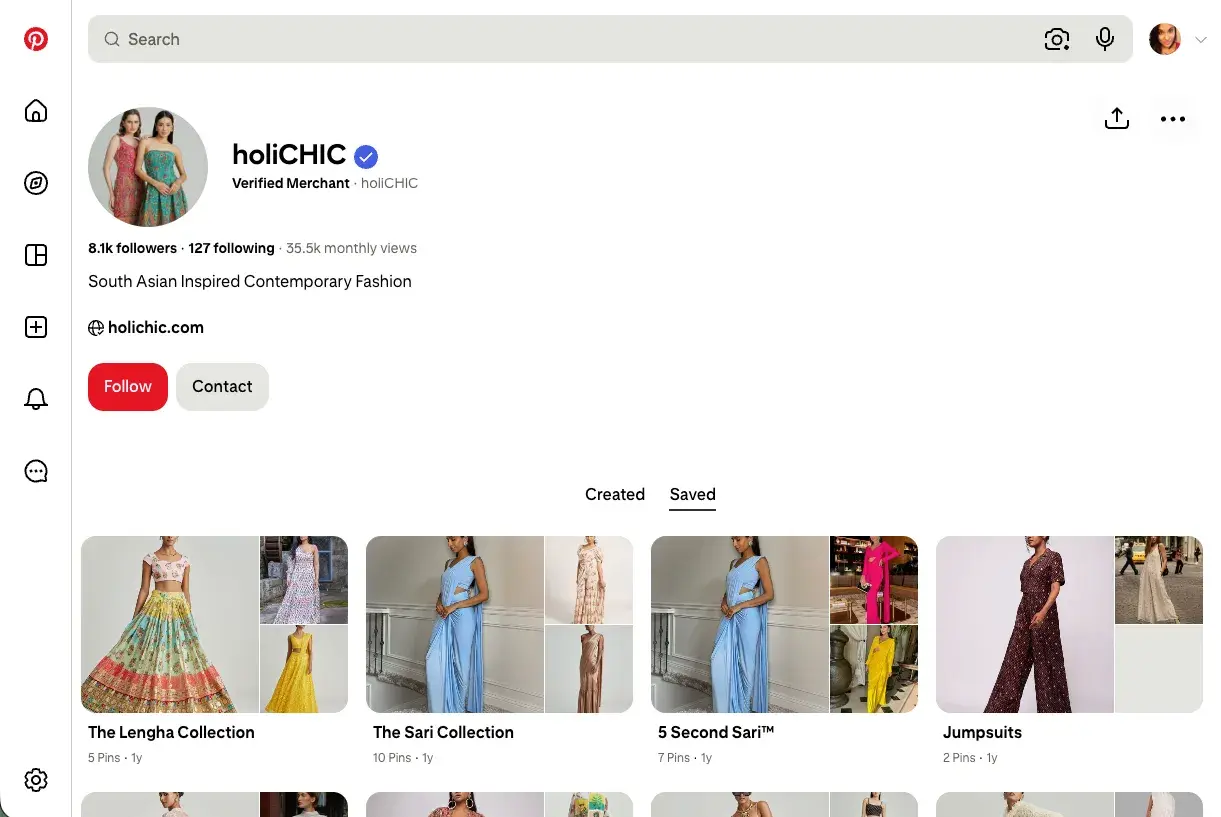
Pinterest is often underestimated, but its commercial prospects are pretty exceptional. For one, it has long had the longest “shelf life” for content, meaning a post from months ago often still gets noticed and can drive engagement.
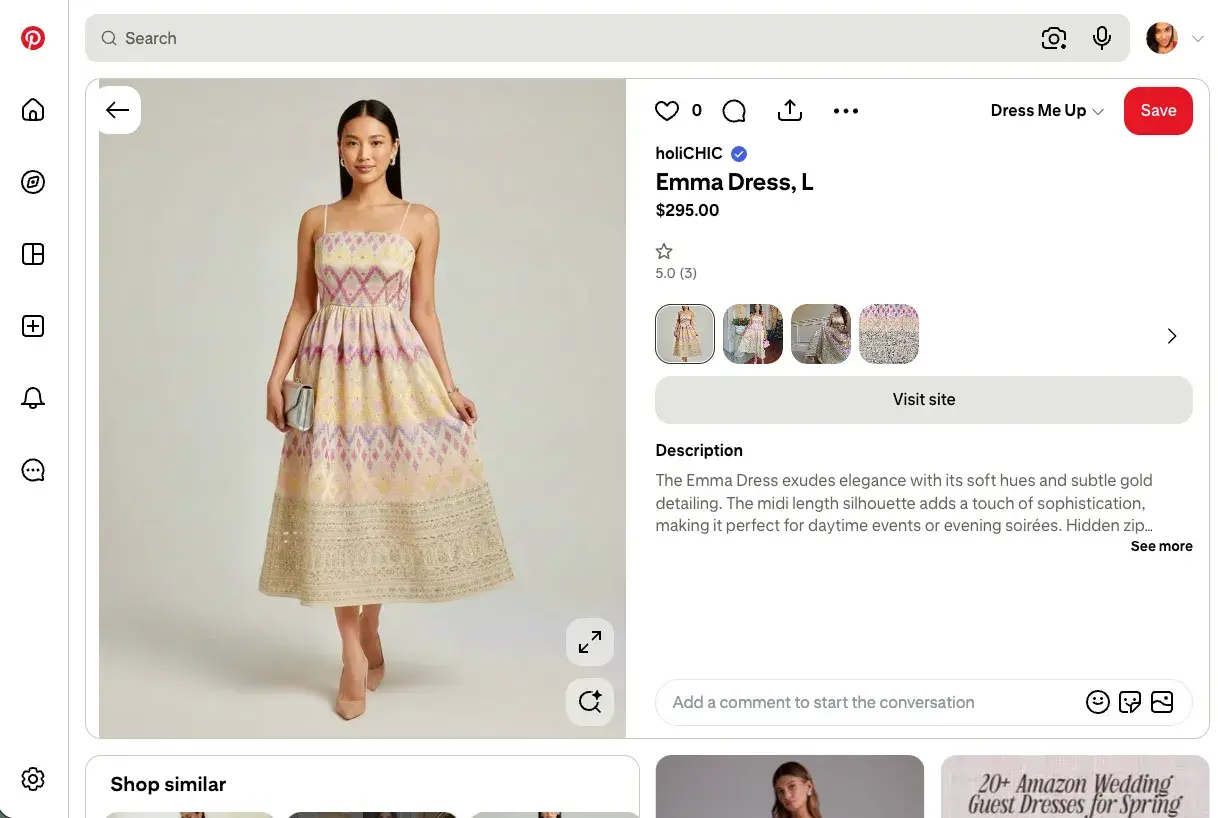
Also, according to the platform, 85% of weekly Pinners have purchased a product they found on Pinterest, while pins convert at 3.2%, higher than even Instagram Shopping. Here’s what you can try:
- Optimize for visual search: Pinterest Lens allows users to snap a photo of an item and find similar shoppable Pins. Use high-quality product images and keyword-rich descriptions to surface in visual search results.
- Use Idea Pins and product Pins: Multi-page story content that blends inspiration with direct shopping links reaches users in the planning and research phase of their journey.
YouTube: Invest in shoppable links and creators
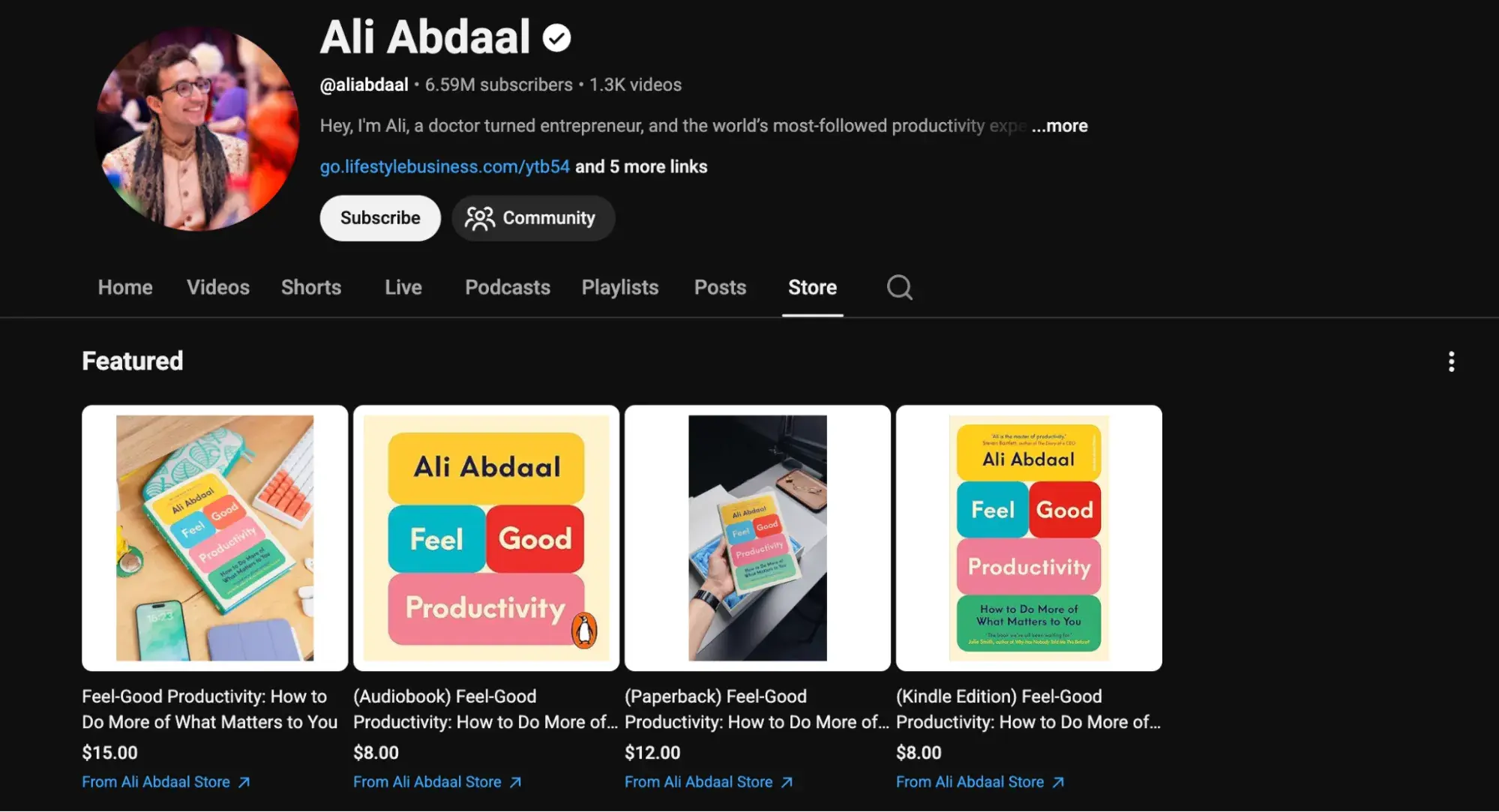
YouTube almost has a monopoly on long-form video engagement. For marketers, this makes it a powerful platform for sharing deeper content such as case studies, testimonials, interviews, or educational videos. I recommend you:
- Sign up for YouTube Shopping & Tag Products. YouTube Shopping lets creators who are eligible set up a store on their channel (like Ali Abdaal). They can then promote products from their own stores or other brands in their videos, descriptions, shorts, and live streams.
- Create product-focused content. Unlike TikTok, where humor rules, Brand/Product Marketing (feature demos, Brand News, etc) is actually the type of content that delivers the most engagement. It’s followed by educational content (Guides, Industry Insights, Pro-Tips).
- Partner with creators for trust. While Instagram and TikTok tend to grab headlines, YouTube remains one of the most popular and effective channels for influencers.
Measure What Matters: Attribution and ROI
Social commerce measurement has been a pain point for as long as I’ve been a marketer and our survey shows it persists: 37% of marketers say tying social to business outcomes is easy, 36% say it’s hard, and 69% of social teams are under increasing pressure to prove ROI.
The top attribution barrier is platform limitations on linking to other sites (35.94%), followed by lack of proper tools (27.36%). HubSpot can help.
If you’re managing social commerce across multiple platforms, HubSpot’s Social Media Management software provides cross-channel reporting tied to your CRM, so you can connect social activity to pipeline and revenue, not just engagement metrics.
Pair this with platform-native analytics (TikTok Shop’s seller dashboard, Instagram Insights, Pinterest Analytics) for a complete picture.
The Future of Social Shopping in 2026
I’ve been tracking this space long enough to know that what works today is table stakes tomorrow. Here’s what’s changing, and what to do now.
Live shopping will become a standard format, not a stunt. TikTok Shop saw over $500 million in sales during Black Friday and Cyber Monday 2025, with 760,000 livestream sessions drawing 1.6 billion views.
Live shopping converts at up to 30% (10x more than traditional e-commerce) because it combines real-time social proof, product demonstration, and genuine scarcity. Brands that haven’t tested live shopping yet are already behind the early adopters.
AI personalization will make product feeds feel like personal shoppers. As recommendation engines become more sophisticated, the gap between brands with rich product data and content variety and those without will widen. Feed your platforms with high-quality product imagery, detailed descriptions, and a consistent volume of creator content; AI needs inputs to optimize.
Creator-led commerce is maturing into a performance channel. Creator economy revenue in the U.S. reached $20.6 billion in 2026, growing 16.2% year-over-year.
Brands that build a bench of ongoing creator relationships (not one-off campaigns) will have the content volume and trust signals to compete. Mid-tier creators (100K–499K followers) deliver the best results at 36.80% for influencer ROI, according to our survey.
Don’t Sleep on Social Shopping
Social media shopping in 2026 isn’t a channel to just play around with; it’s a real revenue driver that demands strategy, operations, and the right tools.
U.S. social commerce has crossed $100 billion and product discovery has moved inside the feed.
The path forward is clear: meet your customers on the platforms where they already spend time, build trust through social proof rather than hard-sell tactics, and measure everything against real business outcomes, not just likes and follower counts.
The brands that are winning are the ones who lead with authenticity, build creator relationships as performance partnerships, and use AI to personalize at scale.
If you’re ready to level up your social commerce strategy, HubSpot’s Social Media Management software helps you plan, publish, and measure your social content across channels — so you can connect social activity to the revenue numbers that matter.
The State of Social Media in 2025
Explore the top trends in social media for brands to know and optimize your social strategy.
- AI Content Creation
- Community Building
- Social Media Shopping
- Social Vs. Search Engine
Download Free
All fields are required.
Form not available


![11 social media trends every marketer should watch in 2026 [new data]](https://53.fs1.hubspotusercontent-na1.net/hubfs/53/social%20media%20trends-1.png)
![The best social media platforms for video content in 2025 [consumer data]](https://53.fs1.hubspotusercontent-na1.net/hubfs/53/img-1-20250516-9399498.webp)

![Social media marketing campaigns: What I’d do to stand out on every platform [new data]](https://53.fs1.hubspotusercontent-na1.net/hubfs/53/social-media-marketing-campaign-1-20250418-2594108.webp)

.png)