.png?width=112&height=112&name=Image%20Hackathon%20%E2%80%93%20Vertical%20(11).png)
Today, I’m excited to share my insights on how you can cultivate a thriving referral network, how AI plays a role in all this, and a few extra tips to stay ahead of the curve.
Table of Contents
- What Are Business Referrals?
- How To Get Referrals From Customers
- How Referral Marketing Works
- AI-Powered Referrals
- Understanding Referral Agreements
- Is There a ‘Best Way’ To Get Referrals?
What Are Business Referrals?
A business referral is when someone in your network recommends your business to a new prospect. This may happen spontaneously during organic conversation or as a result of conscious referral marketing efforts. Either way, it’s a powerful endorsement that carries significant weight because it comes from a source the prospect already knows and trusts.
Departments Impacted by Referrals
In my experience, I’ve observed that while the journey to securing referrals often begins with stellar customer service, its positive impact can resonate across various departments.
- Customer Service. The frontline warriors who create those delightful customer experiences that lead to referrals.
- Marketing. The strategists who amplify the power of referrals through campaigns and content.
- Sales. The closers who benefit from the warm leads generated by referrals, enjoying higher conversion rates and smoother sales cycles.
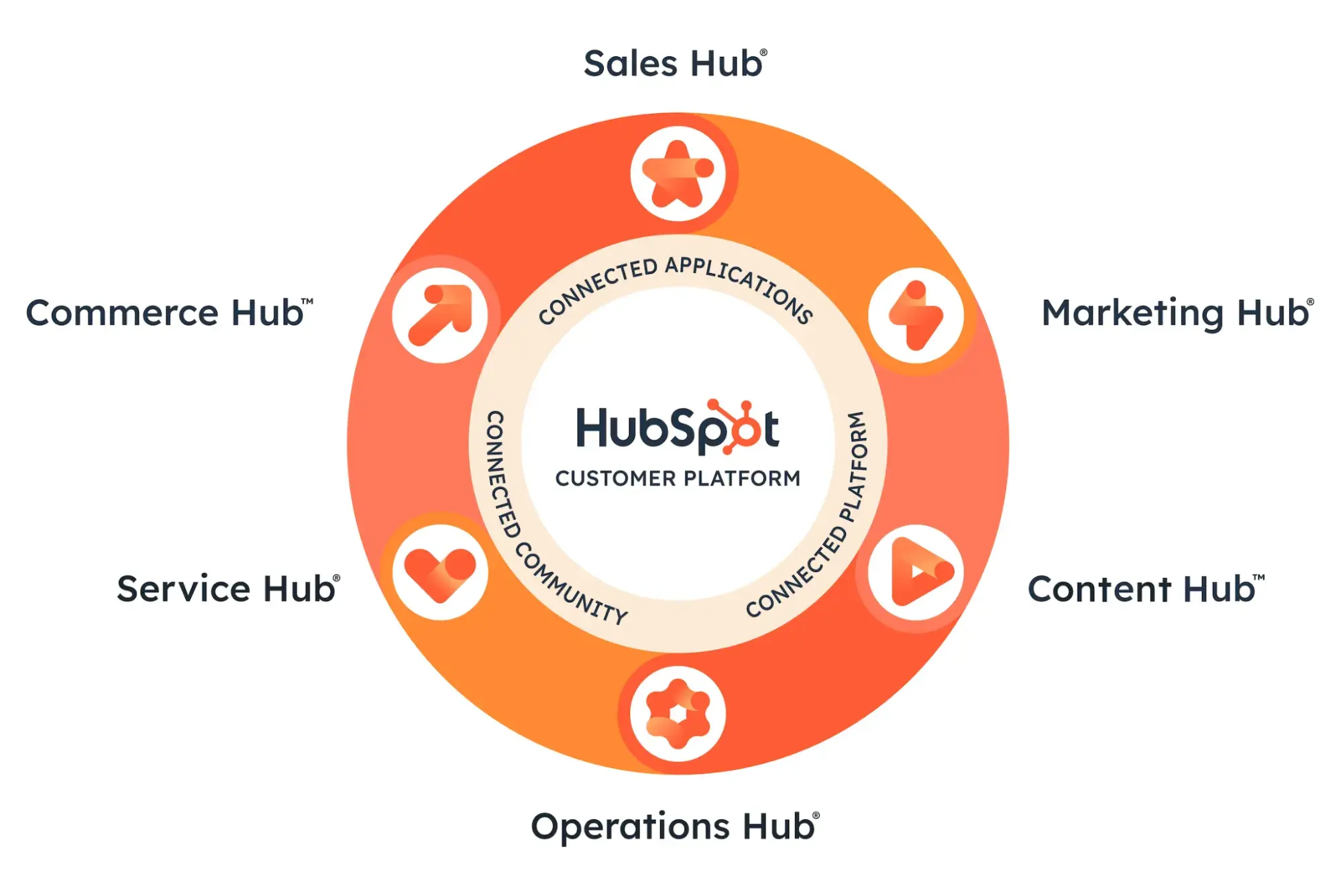
Having worked extensively with HubSpot’s suite of tools, I can confidently say they can be an invaluable asset in managing and nurturing your referral network across these departments.
- Service Hub. This tool allows you to meticulously track and address customer issues, ensuring satisfaction and fostering an environment conducive to referrals.
- Marketing Hub. The powerhouse that enables you to create and automate captivating referral campaigns, track performance, and reward your brand advocates.
- Sales Hub. With this tool, you can efficiently manage and nurture referral leads, monitor conversations, and gain valuable insights into your ROI.
Now, let’s roll up our sleeves and get into the details of generating more referrals.
How Referral Marketing Works
From my perspective, referral marketing isn’t just about asking for favors. It’s about nurturing genuine connections and providing such outstanding service that people want to recommend you. It’s about establishing a win-win scenario where your customers feel valued and their connections benefit from your offerings.
Here‘s why it’s so effective:
- Broadening influence. You‘re broadening your influence by tapping into your potential referrers’ social circles.
- Warmer referrals. Referral prospects are coming in warmer since they know and trust the referrer.
- Social proof. The referrer is providing a vote of confidence by making the recommendation, which is a powerful piece of social proof.
At its core, this is how referral marketing works:
- Identify key individuals. These are your existing customers, partners, and anyone in your network who appreciates your work.
- Nurture relationships. Invest time and effort in these connections, demonstrating that you genuinely care beyond the transactional aspect.
- Make the ask. When the moment feels right, don’t hesitate to directly request a referral. Remember, subtlety and timing are crucial.
All of this is perhaps easier said than done, so it's beneficial to implement referral marketing strategy and tactics as you move forward. You can find some tips on that below:
How To Get Referrals From Customers
- Offer exclusive early access.
- Tap into influencer networks.
- Exceed expectations.
- Add a customer loyalty program.
- Keep existing customers engaged.
- Provide a template.
- Make the experience shareable.
- Leverage LinkedIn.
- Adopt a customer referral program.
- Offer incentives.
- Look for opportunities for a positive response.
- Create different avenues for advocacy.
- Align with your customers' values.
- Act on positive feedback.
- Distribute your content and resources across different channels.
- Refer other companies to your customers.
- Onboarding and initial successes.
- Regular check-ins and progress updates.
- Post-purchase follow-ups.
- Identify complementary businesses.
- Co-create content and resources.
- Offer joint discounts or bundles.
- Identify advocates, promoters, and loyal supporters.
- Personalize the request.
- Get specific with your ask.
How To Get Referrals When Launching a New Product or Service
If you’re introducing a new product or service to the market, generating buzz and early adoption can be challenging. Taking advantage of referrals can be a game-changer in this scenario.
Here’s how to leverage them effectively.
1. Offer exclusive early access.
Exclusive early access is a powerful way to reward your loyal customers and brand advocates. Think of it as a VIP experience. These individuals already trust your brand, so giving them the first look at something new will make them feel valued.
This sense of exclusivity can encourage them to naturally share their positive experience, bringing in high-quality referrals from those who will champion your product through social media posts, reviews, and word-of-mouth.
As someone who’s worked closely with customer-centric brands, I’ve seen how early access can create lasting loyalty. It’s not only about giving them a headstart, but also, making them feel like an integral part of your product journey.
2. Tap into influencer networks.
Finding the right influencers is more important than their follower count. You want to make sure their values align with your brand. Whether it’s micro-influencers with a niche following or larger thought leaders, influencers offer built-in trust with their audience.
Provide them with the product to experience and encourage authentic feedback. Their endorsement acts as social proof, giving your new product or service immediate credibility in the eyes of the potential customer.
.png)
Free Customer Referral Templates
45 email & social media templates to ask for referrals and spread the word about referral programs
- Email Templates to Ask for a Referral
- Email Templates for Following Up with a Referral
- Social Copy Templates About a Referral Program
- And More!
Download Free
All fields are required.
How To Get Referrals Without Asking For Them
3. Exceed expectations.
Word-of-mouth is one of the most powerful ways to propel referrals for your company. However, it's largely dependent on loyalty, which means that this is something you really have to earn.
If you want to get your customers (or potential customers) raving about your service, you have to delight them.
Go above and beyond for your customers not just by achieving goals with them, but by sharing their content on social media, citing them in your blog content, and proving to be an indispensable resource for them. Then, you’ll present a compelling case for why they should share your exceptional work with their network.
4. Add a customer loyalty program.
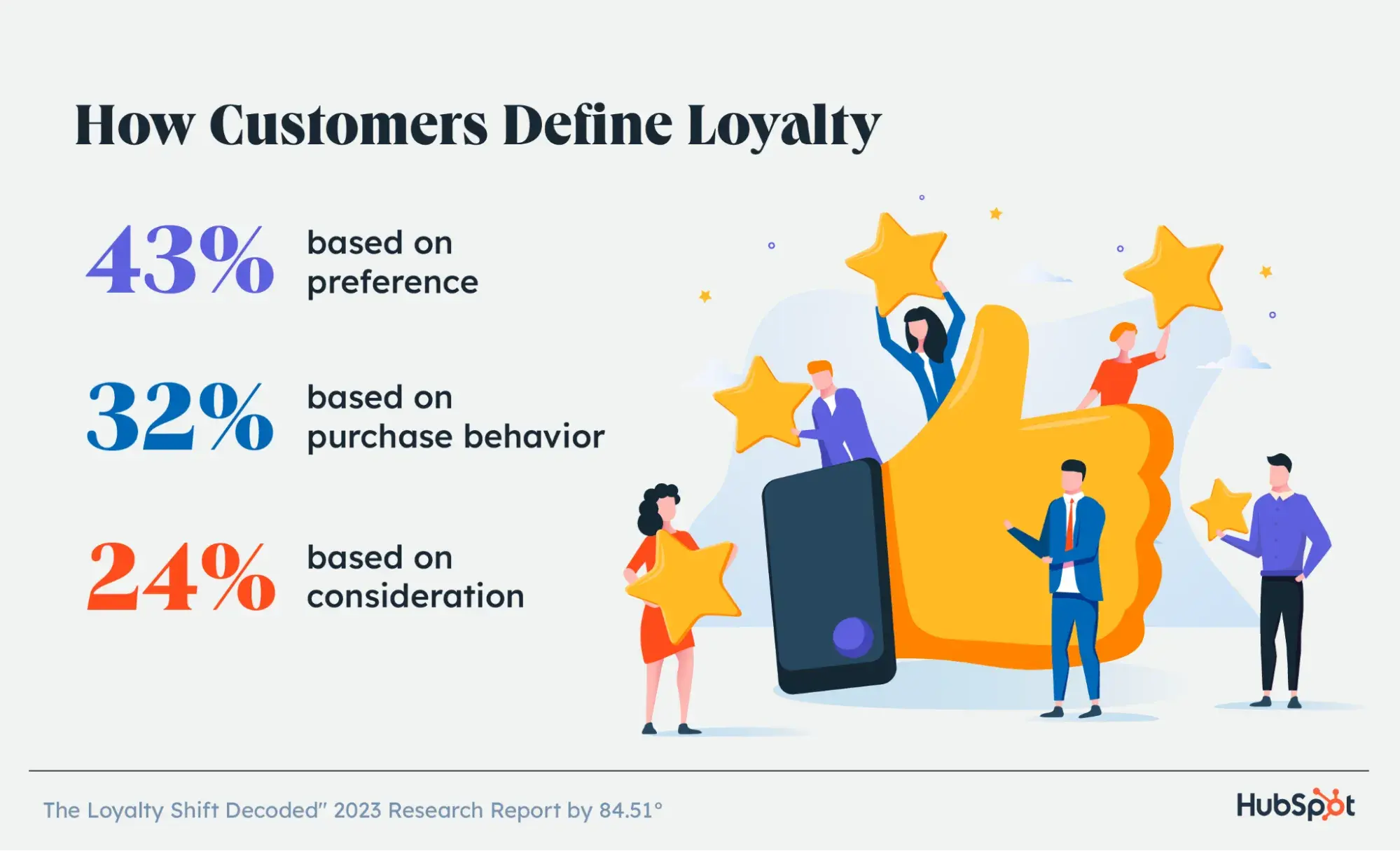
Your most loyal customers are probably going to be the ones who refer your company the most. Different than a referral program, acknowledge these groups by creating a customer loyalty program that rewards them for engaging and advocating on your business' behalf.
This system could be point-based resulting in rewards, or it could even be a premium membership. No matter how you do it, make sure your customers feel valued and inspired to become loyal. In turn, loyal customers will talk, especially when delighted, and give you free referrals through word-of-mouth marketing to their family, friends, and even strangers online.
How To Get Referrals Quickly
5. Keep existing customers engaged.
The previous tips touch on delighting the customer. It stands to reason that you should be continually providing high points throughout the customer experience (and even well after if you provide one-time services or purchasing experiences).
That means that you should continue investing in each relationship you make in your business, providing ways to keep them engaged with your brand so that you continue to remain top of mind. This can be done by:
- Staying in touch post-sale and nurturing the relationship into a long-term connection.
- Continuing to provide value, whether it's through additional offerings, helpful and informative content, or semi-frequent check-ins.
- Providing an ongoing community or sharing a set of values (such as an altruistic cause).
Staying top of mind ensures that customers are always thinking about you. Instead of being three months out from a purchase and not having heard from your business, they’re already thinking about how satisfied they are and it won’t be as difficult for them to identify a connection they have that will benefit from what you have to offer as well.
6. Provide a template.
When asking for referrals, it‘s important that you’re mindful of how busy your clients are (that's why they hired you in the first place, right?).
Rather than ask and hope that they find the time to follow through, be more proactive in your approach by eliminating some of the heavy lifting for them by providing a fillable template.
Here's a sample email template you might use to get the ball rolling:
Frictionless Referral Template
[Referral]
I don‘t know if I’ve mentioned it before, but I've been working with [Your Name] for a few months. The other day, I was talking with him about some of the things that he and I have done, and I realized that I should put you two together. So ...
[Referral], meet [Your Name, with a LinkedIn profile URL]. [Your Name], meet [Referral, with a LinkedIn profile URL].
Can I leave the rest to you guys?
Talk to you both later.

If you get any pushback from your customer on sending it out, don't push them on it again. Instead, focus on nurturing the relationship and delivering exceptional value, so they feel confident recommending you when the time is right.
How To Get Referrals For Free
7. Make the experience shareable.
If you want your customers to make referrals, give them a reason to talk about your company. As you approach your day-to-day, you must constantly be innovating in the area of customer experience.
Not only do you want to delight them, but you want to delight them in a way that will put you top of mind. You want them to say to individuals in their network, “You will not believe what happened to me today.”
Stories are powerful, and if your customer is compelled to share their experience, prospects will listen.
Here's how you create customer experiences that are noteworthy:
- Understand where the customer is at and what their pains are.
- Identify what success looks like to them.
- Find key areas that will bridge that gap from A to B.
- Cross-reference those areas with the solutions that you provide, the solutions that they're investing in.
- Understand that these are the things that they expect.
- Identify where to go above and beyond, the things that will fill the gap but are out of scope or expectation.
- Deliver.
It's possible that the answer lies in a new method of delivery, going above and beyond on a particular task, providing more value than you promised, or ideating ways that the process can be more enjoyable, fun, or experiential.
8. Leverage LinkedIn.
Rather than asking for referrals aimlessly, you can improve your odds of success by doing your homework first. In addition, this is a free method of obtaining referrals as you’re using a public social media platform and sales prospecting techniques to discover network connections that may be interested in your offer.
When you approach a customer with a name or company that you‘d like to connect with, you’re eliminating the need for them to sit down and think about it for you. Lucky for you, LinkedIn's Advanced People Search feature makes it easy to turn up qualified second-degree connections that your customers can introduce you to.
To get started, click the search bar at the top of the page, search for a company or name, and then select ‘People’ from the drop-down menu.
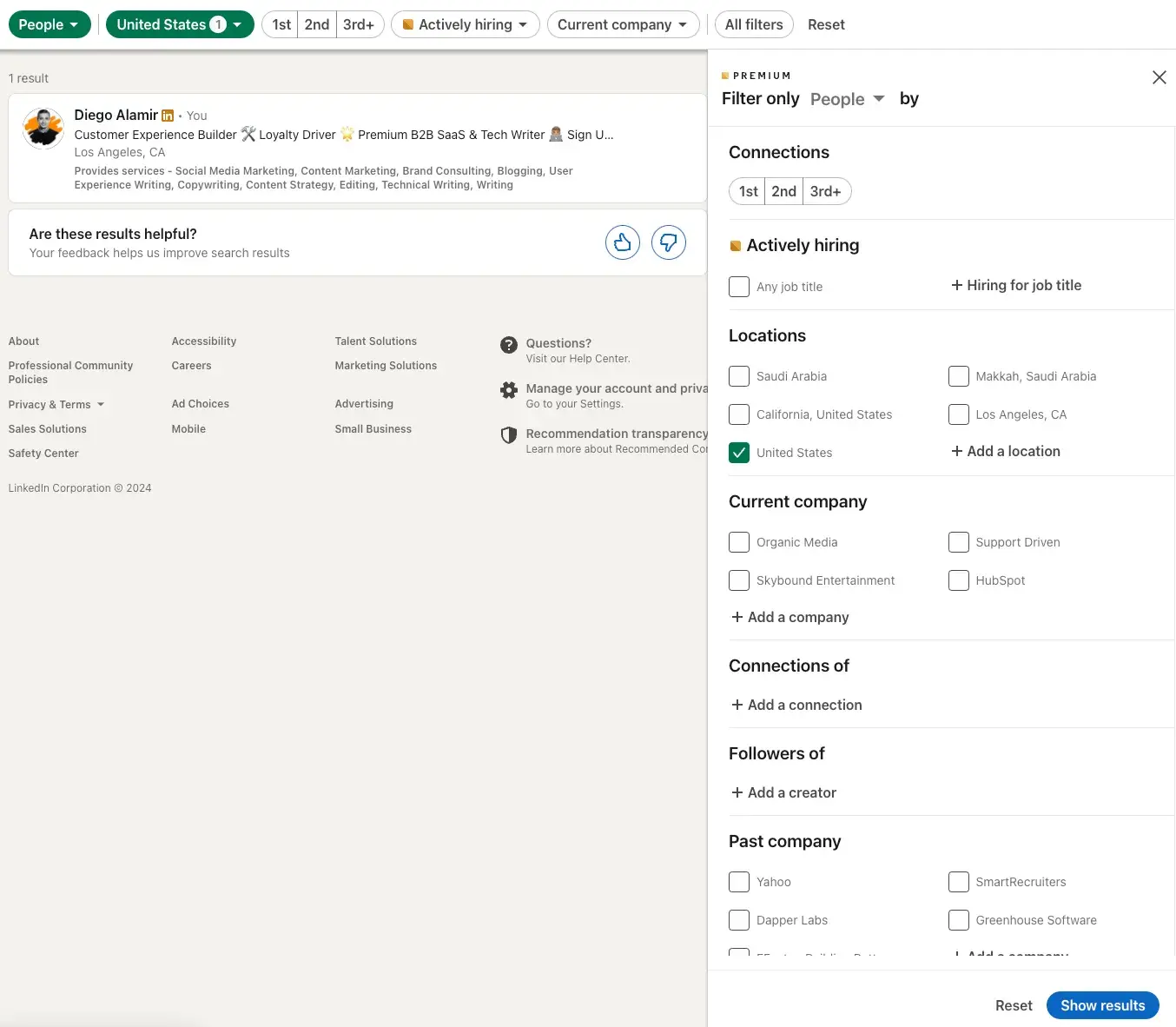
From there, you can filter your search by second-degree connections as well as additional specifics like industry, title, keywords, and location to turn up a list of potential referral opportunities. This will help you find an ideal referral candidate to bring up to your customer.
How To Generate a Lot of Referral Business
9. Adopt a customer referral program.
Adopting an official customer referral program is a great way for your team to be proactive when acquiring new referrals. This HubSpot post on how to build a customer referral program asserts, “that you're confident enough in your services and team to know that a referral program would be a positive investment.”
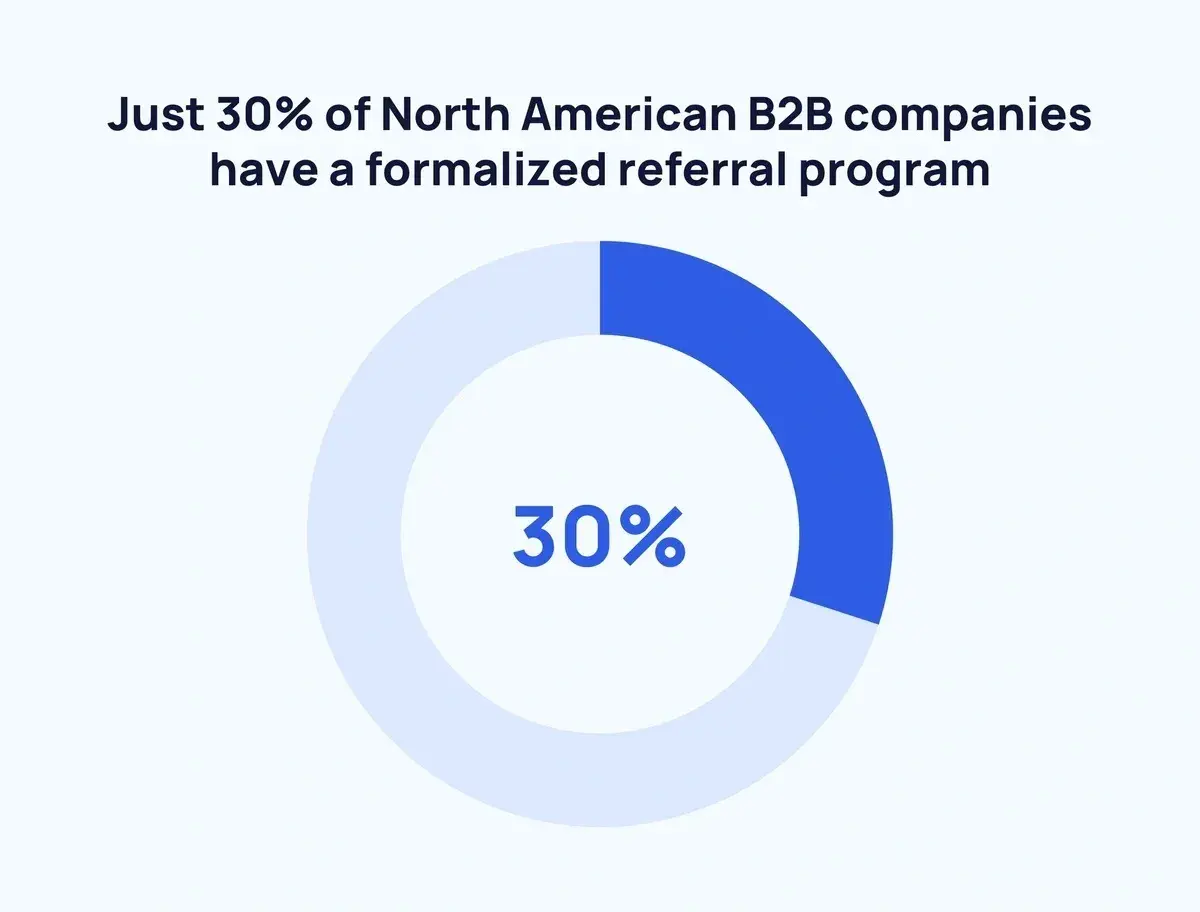
Your customers will notice this confidence and feel more comfortable with sharing information because you have an organized system in place. Customer referral programs improve the credibility of your business, making it easier for customers to trust you.
In addition, when customers are offered an incentive as part of your referral program, they’re more likely to follow through with the recommendation.
10. Offer incentives.
Nobody likes to work for free, right? If you want to sweeten the deal and make sure your customers actually scour their networks for a good referral, offer them something valuable in return. Whether it's a Starbucks or Amazon gift card, a free month's subscription, or cold hard cash, give something back to your customers for connecting you with warm leads — they deserve it.
One way to organize these incentive offers is to set up a program that oversees customer referral agreements (more on that later). Referral agreements can help your business continuously generate substantial amounts of new leads by creating a system that rewards influential customers.
11. Look for opportunities for a positive response.
You wouldn‘t ask your boss for a raise right after you missed the mark on your monthly metrics, which is precisely why it wouldn’t be appropriate (or effective) to request a referral when you‘re under-delivering on what you promised a customer. The best referrals come about after the customer has had an opportunity to experience the value that you’re capable of delivering.
To set yourself up for success, keeping your customers up-to-date on the outcomes they achieve using your product or service will make them happy — and they'll want to spread the word about you. This starts with a successful onboarding process so customers have a clear sense of expectations, timeline, and work required to get to that point.
Then, consider pairing referral requests with positive customer experiences. If you just delivered the news that your product or service helped them increase monthly revenue, ask away.
12. Create different avenues for advocacy.
If you get pushback when you ask for customer referrals, the first step is to back off and give them space. It‘s not important that you know the exact reason why they’re saying no, and you want to be respectful of your relationship.
But once more time has gone by, consider reaching out to them with a different offer to advocate for your company without having to actually refer someone: by writing a review, serving as a case study, or submitting a testimonial.
These lower-effort actions by your customer will still drive potential new leads to your company -- and won't risk your relationship with your customer. Ask them what they would be comfortable sharing, and see if you can find a place for their positive feedback on your website or social channels. The more varied opportunities you have, the more likely you are to obtain lots of referral business.
Free Customer Referral Templates
45 email & social media templates to ask for referrals and spread the word about referral programs
- Email Templates to Ask for a Referral
- Email Templates for Following Up with a Referral
- Social Copy Templates About a Referral Program
- And More!
Download Free
All fields are required.
13. Align with your customers' values.
Do your research to learn about what your customers truly value before asking them for a referral. Then, you can align your incentive or acknowledgment with those values, and you‘ll be able to give them an idea of the impact they’ll have with a referral.
For example, if your customers use your product for nonprofit fundraising, or if you know they're personally or professionally invested in advocacy for a cause, you could reward them for referrals with a donation in their name. Simple gestures like this can go a long way toward proving to customers that your relationship is a partnership, not just a business transaction. When your customers know that you share the same values and interests as them, they’re more likely to want to submit a referral.
It is important to note that you should be genuine about having these values and not simply using them as an avenue to benefit your business. Customers can tell when your attempts are inauthentic, and they won't hesitate to call you out and talk about it with others.
How To Get Referrals From Existing Clients
14. Act on positive feedback.
In order to accumulate more referrals, you have to prove yourself as referral-worthy.
To ensure that you‘re meeting (and exceeding) the needs and expectations of your existing customers, it’s important that you're regularly collecting and acting on their feedback.
SurveyMonkey is an online survey software that makes it easy to whip up and distribute client satisfaction surveys to keep tabs on what you're doing right (and where you need to improve).
Additionally, HubSpot has released customer feedback tools as part of our newest product line — sign up to try it now.
Before you send off a survey, you want to be sure that you‘re positioning it in a way that is going to surface the most honest and accurate results. Make sure you’re writing effective survey questions and choosing the survey types that will best suit your needs.
15. Distribute your content and resources across different channels.
47% of buyers view three to five pieces of content before engaging with a sales rep. This means that before your existing leads closed into customers, they weren‘t being shy about eating up all of those resources you’ve worked hard to put out.
This places a profound emphasis on the importance of strategically distributing that content to ensure that it lands in the hands of qualified prospects. And considering your potential customers are already consuming your goods, adding an easy referral ‘Share This With a Friend’ link to your automated offer emails or on your thank you pages could help you achieve just that.
Making it easy for your customers to pass along your resources to their qualified connections before they even close will help you stay one step ahead of the game at all times.
16. Refer other companies to your customers.
If you‘re asking a customer to refer people to your business, they may expect the same from you. By offering to refer your customers to other companies, you’ll bring valuable bargaining chips to the negotiation table. Your customers will feel like they're getting equal compensation for the information they give up.
But, be careful. Your relationship with your current customers is at stake whenever you refer them elsewhere. Make sure you're sending them to a company as great as yours or they may end up blaming you for their misfortune.
By approaching referrals as a two-way street, you’re fostering a partnership where everyone wins.
How To Get Referrals at Key Customer Touchpoints
The customer journey isn’t just a linear path. It’s a series of interactions and touchpoints where you can build rapport, create positive experiences, and inspire referrals. By strategically identifying and capitalizing on these key moments, you can turn enthusiastic customers into advocates for your brand.
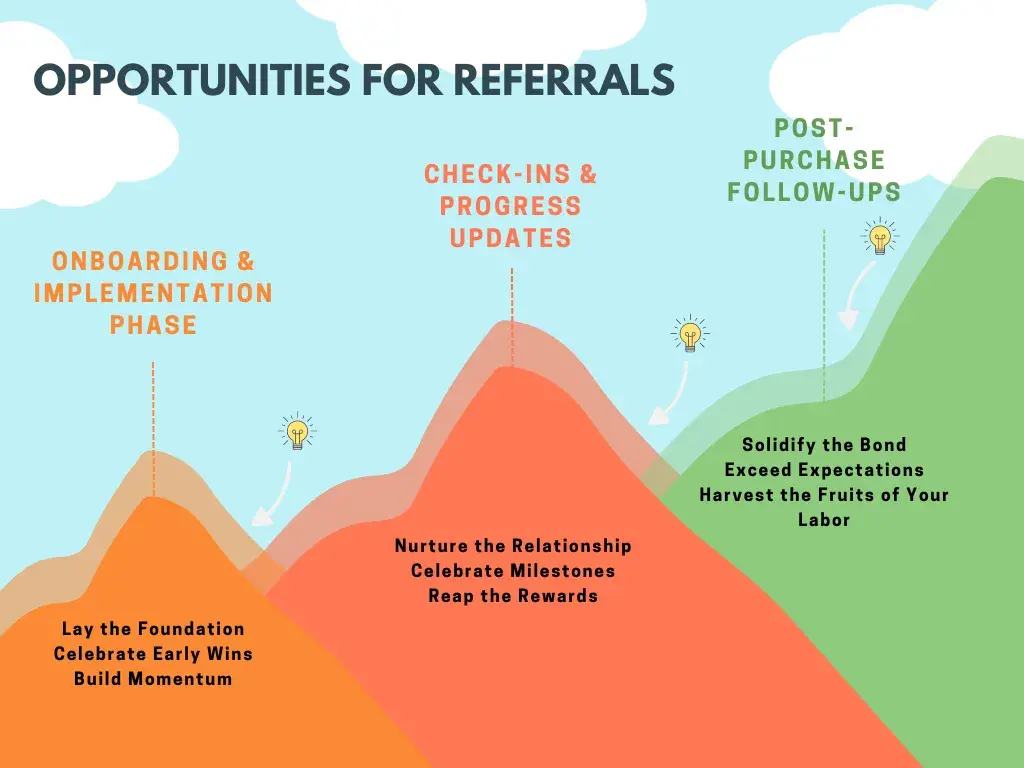
17. Onboarding and initial successes.
The early stages of the customer journey are for setting the tone and building a strong foundation. According to a study by Wyzowl, 86% of people report they are more likely to remain loyal to a company that invests in comprehensive onboarding content that not only welcomes them, but also provides valuable education after their purchase.
Celebrate those initial successes, whether it’s completing an onboarding or achieving a quick win using your product or service. It will reinforce the value you provide and encourages customers to share their positive experience with others.
18. Regular check-ins and progress updates.
Maintaining consistent communication throughout the customer journey is key to nurturing strong relationships and staying top-of-mind. It shows your commitment to their success and fosters a sense of partnership that’s ripe for referrals.
In my experience, when I prioritize ongoing engagement, I see incredible results. For example, if I notice a customer achieving their goals with our product, I make it a point to personally reach out and congratulate them.
The positive reinforcement can encourage them to share their success story, and your brand, with their extended network.
19. Post-purchase follow-ups.
Don’t let the relationship end after the sale. Follow up with your customers to ensure their satisfaction, address any questions or concerns, and offer additional resources or support. Being proactive demonstrates your dedication to customer success and can spark organic referrals. Here’s my go-to approach:
- Check-in early. Reach out soon after purchase to confirm satisfaction and address any immediate concerns.
- Gather feedback. Send surveys and utilize reviews to spot issues early and show that you value their opinions.
- Offer extended resources. Provide ongoing support like tutorials and webinars to ensure they maximize their purchase and get the most out of what you have to offer.
A proactive post-purchase approach solidifies loyalty, fosters trust, and ultimately leads to valuable organic referrals.
Pro tip: HubSpot’s CRM software offers a robust suite of tools to help you streamline and personalize your communication with customers. From automated email sequences to detailed contact records, you can ensure that every interaction is meaningful and contributes to building stronger relationships, making it easier to ask for referrals when the time is right.
How To Get Referrals Through Strategic Partnerships
Building alliances with other businesses can open up new avenues for referrals. The best partnerships are built on shared values and a genuine desire to help each other succeed.
Customers also love streamlining where they conduct their business as it provides a sense of assurance and convenience.
Here’s how to leverage strategic partnerships to help you get referrals.
20. Identify complementary businesses.
When you’re looking for potential referral partners, it’s important to think beyond your immediate industry. Look for businesses that serve a similar target audience but offer non-competing services. These could be businesses in related fields (such as a marketing agency partnering with a web design firm) or they could cater to the same customer pain points (like a dog walking service teaming up with a pet grooming business).
The key is to find synergies where your offerings complement each other, creating a more holistic solution for your shared customer base.
In my experience, researching online, attending industry events, and tapping into your existing network are great ways to identify potential partners. Don’t hesitate to reach out to businesses you admire or have heard good things about.
Pro tip: Remember that the goal is to create mutually beneficial relationships where both businesses can thrive.
21. Co-create content and resources.
Team up with your partners to develop valuable content that benefits both of your audiences. By collaborating on content, you can tap into each other’s expertise, expand your reach, and get closer to your customers. Your partner’s audience will naturally want to work with you and vice versa.
This will also help any of your customers attempting to make referrals by providing them with additional knowledge resources that help promote your businesses.
Here are a few ideas I’ve seen work well:
- Co-authoring blog posts or articles. I love sharing my expertise and insights on topics relevant to my audience, and doing this with a partner exposes both to new readers.
- Creating joint webinars or workshops. I find that offering educational content that combines both business perspectives and skills adds a lot of value for attendees — i.e., potential referrals.
- Creating co-branded ebooks or online guides. I think providing in-depth resources that address the shared customers’ needs can be a powerful way to build authority and generate new and cross-referring leads.
- Producing joint social media content. I’ve had success collaborating on engaging posts, stories, or even contests that promote both brands and encourage audience interaction. This often draws in new customers interested in the joint experience.
Ultimately, co-creating content allows you to leverage the power of collaboration to reach new audiences, build stronger relationships, and position yourself as a trusted resource in your field.
It’s a win-win strategy that can lead to increased brand awareness, engagement, and ultimately, new leads and referrals.
22. Offer joint discounts or bundles.
Creating attractive packages that combine your services with those of your partner businesses can be a powerful incentive for customers to try both offerings and increase the likelihood of referrals.
Consider offering limited-time promotions, seasonal packages, or themed bundles that cater to specific customer needs or interests. For instance, a spa might partner with a local restaurant to offer a “relax and recharge” package that includes a massage and a healthy meal.
It’s important to clearly communicate the benefits of the partnership, highlighting the convenience, cost savings, and complementary nature of the offerings. You’ll also want to leverage customer data and insights to personalize your bundled offers and referral recommendations.
By proactively seeking out and nurturing strategic business partnerships, you can tap into new networks, expand your reach, and create a powerful referral ecosystem that benefits everyone involved.
How to Get Referrals by Just Asking
23. Identify advocates, promoters, and loyal supporters.
The first step to asking for a client referral is to identify those most likely to have something to say — your advocates, promoters, and most loyal supporters. Delighted clients know exactly why they’re satisfied, so they’ll likely know other people with the same needs who will benefit from what you have to offer. And, as mentioned before, happy clients are more likely to talk about you.
Identify who these people are and begin generating a list of people to reach out to. If your business uses NPS surveys, the results are a great way to identify your most satisfied clients.
Pro tip: HubSpot’s customer feedback software integrates smoothly with your CRM, centralizing all your NPS, service, and support data. You can easily create and send NPS surveys via email or your website, and benefit from template recommendations designed to gauge customer loyalty.
Free Customer Referral Templates
45 email & social media templates to ask for referrals and spread the word about referral programs
- Email Templates to Ask for a Referral
- Email Templates for Following Up with a Referral
- Social Copy Templates About a Referral Program
- And More!
Download Free
All fields are required.
24. Personalize the request.
When you ask for a referral, personalize the request to the client by explaining why you’re seeking it specifically from them. This tip closely aligns with the advice to get specific with your ask, as it lets the customer know that you’re reaching out to them specifically.
Use their name in the request you send out as a means of generating a connection, and reference parts of your relationship history that show that you’re aware of their experience with your business.
However, it is important not to take advantage of your customers. You don’t want them to feel as though they’re being used, which is why it can be important to use incentives.
25. Get specific with your ask.
When you ask for a referral, you want to be specific about it. You want to make sure that the customer knows exactly what you’re asking of them so they can give you what you’re looking for – a potential qualified lead.
Without being specific, customers may not know who to ask or what type of person you’re looking for, which makes your job harder if you’re having to spend more time verifying a prospect after a referral has been submitted. Here’s a basic example of what that could look like for a business selling marketing SaaS.
“It’s been great working with you these past few months and watching you achieve success with our social media scheduling tool. We hope to bring those same successes to everyone that uses our tool, which is why I’m reaching out to you today.
Do you know of anyone in your industry or network looking to upgrade their marketing software and may be interested in using our tool? I’d love to get a referral from you if you know of anyone that may be interested!”
AI-Powered Referrals
As someone who thrives on staying ahead of the digital curve, I’m always fascinated by how technology is reshaping the way we connect, communicate, and do business.
When it comes to referrals, AI is proving to be a noteworthy addition to the process on how to get referrals.
I know what you might be thinking. “AI and referrals? How does that even work?” Now that we have super-powered chat assistants, they can help analyze massive amounts of information, identify your most loyal customers (especially the unexpected audiences), predict who’s likely to refer others, and personalize referral requests for maximum impact.
As Ryan Bezenek, VP of IT at Ariat International, states, “It’s about making connections through the data that you might not have made as a human being. AI has the uncanny ability to tease out things about the consumer you might never think about.”
This resonates with my own experience in building conversational chatbots at Dapper Labs, where the AI was able to uncover hidden patterns and insights that helped drive product development of our digital collectibles.
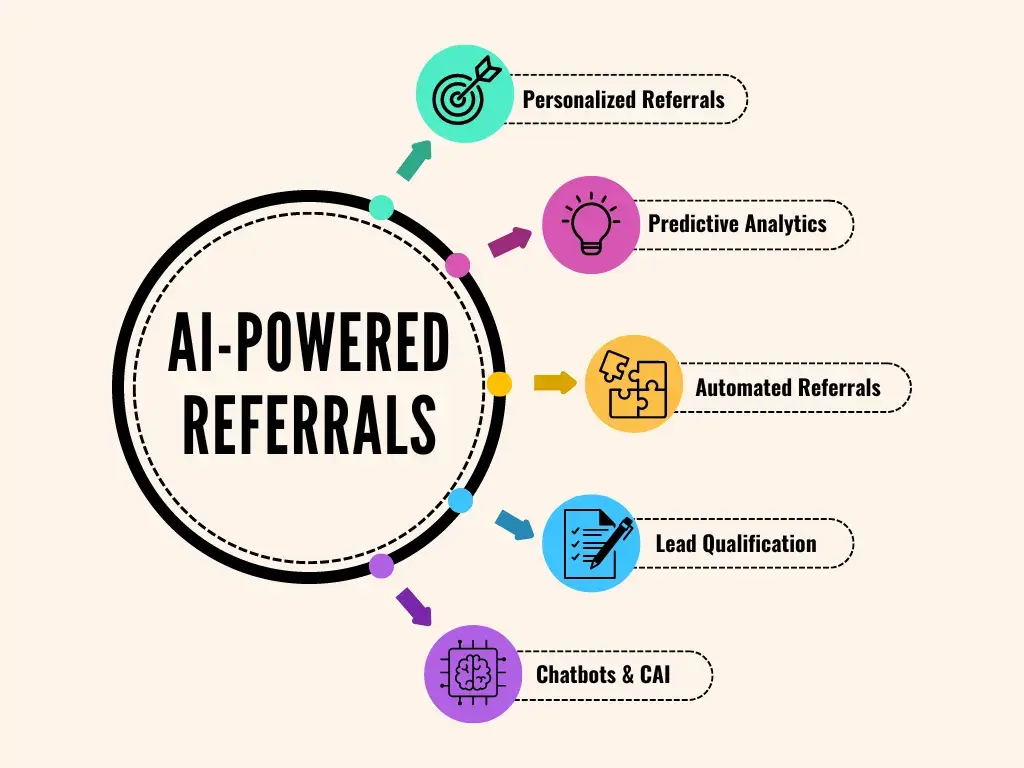
Here are a few ways AI can drive a positive impact in your referral marketing efforts:
- Personalized referral requests. In my work managing customer loyalty programs, I’ve found that generic “refer a friend” messages often fall flat. AI, however, allows for hyper-personalization. By analyzing customer data such as past purchases, website interactions, and social media activity, AI can tailor referral requests to individual preferences, suggesting people in their network who might be interested in your offerings. This level of personalization can significantly increase the likelihood of a successful referral.
- Predictive analytics. Intelligent algorithms can sift through mountains of data to identify your most enthusiastic advocates. Instead of doing all this tedious work yourself, you can leverage AI to pinpoint those customers who are most likely to refer others based on their engagement, satisfaction, and social influence. This allows you to focus your efforts on cultivating relationships with these valuable brand ambassadors.
- Automated referral programming. AI can streamline and automate various aspects of your referral program. Free up your time to focus on other strategic initiatives by using AI to handle tasks like tracking referrals, distributing rewards, sending personalized thank-you messages, and nurturing leads.
- Enhanced lead qualification. AI can help you assess the quality of referral leads by analyzing their demographics, interests, and online behavior. This allows you to prioritize your follow-up efforts and focus on the most promising referral prospects. When I worked at a fashion tech startup, we used AI to assess which trial subscription customers were most likely to convert into ongoing paid subscribers by assessing their website interactions and online cart patterns. This is an example of the types of insights you can derive from using AI in your lead qualification process.
- Chatbots and conversational AI. These can be integrated into your website or social media channels to engage with potential customers, answer questions, and even identify referral opportunities in real time. If customers need guidance through the referral process, the AI can provide assistance, ensuring they get to the finish line and help you close a new referral.
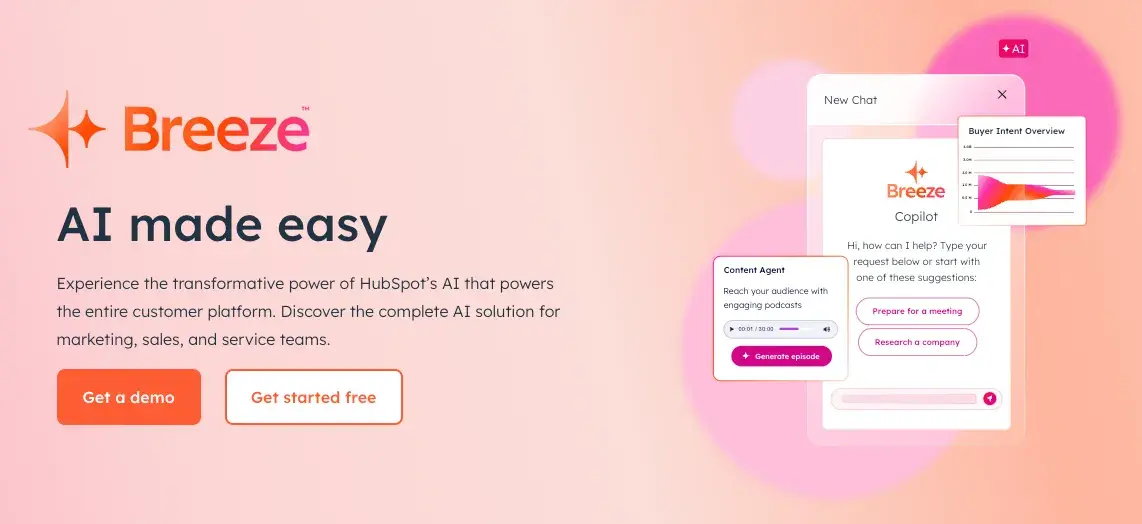
Pro tip: HubSpot’s AI solution, Breeze, is designed to help you leverage the power of AI across various aspects of your business, including marketing, sales, and customer service. Breeze can help streamline your workflows, personalize your interactions, and maximize your results. By incorporating Breeze into your referral strategy, you can further enhance its effectiveness and efficiency.
While AI can be a powerful tool, it’s not about replacing the human touch. It’s about enhancing it. I’m a tremendous advocate of this. Building genuine relationships with your customers remains the cornerstone of any successful referral strategy. AI simply provides the insights and tools to make those relationships even stronger and more rewarding.
Understanding Referral Agreements
What is a referral agreement?
A referral agreement is a contract between a company and an external party. The business agrees to reward the other party in exchange for the successful referral of new leads. Both parties agree on mutual terms for compensation, then sign a referral agreement to solidify the deal. This creates an ongoing relationship that benefits both the company and their new partner.
It’s worth noting that a referral agreement is not the same as an affiliate partner program. The key difference is that in a referral agreement, the external party gets paid a one-time reward or commission when the referral leads to a successful transaction. These oftentimes focus on high-value transactions or services and tend to involve more personal, trust-based recommendations.
Affiliate partner programs are more marketing-driven and involve digital channels to drive sales using tracking links. These are typically commission-based on performance. Affiliate programs are commonly used in ecommerce and focus on broader, scalable promotion.
What should a referral agreement include?
When drafting a referral agreement, you'll want to include the following items in your template:
- A header that includes the name of the business and the party involved as well as the date of the agreement. Standard legal stuff.
- The relationship between the business and the party. This details that the business is the principal holder of equity, while the party is the external agent.
- The qualifications for a new lead. Do they have to convert to customers? Or, can they be potential leads? Customers are not always guaranteed from referral so it's important to establish what makes a referable lead.
- How the external party will be compensated for their efforts. This can be a fixed payment per lead or it could be based on the lead's quality. In some cases, the external party may not be rewarded until the lead converts.
- If there is a payout period or not. If the referral has to convert before payment is issued, be sure to specify how much time will be allotted for the lead to become a customer. If the lead converts during that time, then the external party is compensated for the conversion.
- Will the external party be paid for recurring conversions? If a referred customer makes another purchase, you'll need to determine whether the external party will be rewarded. This way you could incentivize your partner to deliver higher quality leads that make multiple purchases.
- Whether the agreement is exclusive or not, if you don't want your customers making the same deals with competitors, make sure you clarify that in the agreement.
- A confidentiality or privacy statement. This restricts either party from oversharing any sensitive information during the agreement. It can also protect against any intellectual property theft that could potentially occur during exchanges.
When should you use a referral agreement?
In my experience, referral agreements are best used when you’re looking to build relationships and drive high-quality leads through trusted connections.
These agreements come into play when you want to tap into someone else’s network, relying on the strength of personal recommendations to bring in customers who are more likely to convert.
From a professional standpoint, referral agreements are ideal in industries where trust and expertise drive the decision-making process. This makes it worth ensuring that the parties making the referrals are confident in each other’s abilities to deliver, as their reputations will be on the line.
If your goal is to build a pipeline of high-value leads based on trusted relationships and word-of-mouth marketing, a referral agreement allows both sides to set clear terms on compensation, lead quality, and follow-up.
Is There a ‘Best Way’ To Get Referrals?
I’ve learned there’s no single “best way” to get referrals. Just like every business is unique, so is the ideal referral strategy. What works wonders for one company might fall flat for another.
For example, during a product launch, I might prioritize generating buzz and maximizing the number of referrals. In this scenario, I’d likely lean on strategies like incentivized referral programs and social media contests to create excitement and encourage sharing.
However, when the focus shifts to filling the sales pipeline with high-quality leads, I’d adopt a more targeted approach, leveraging LinkedIn connections, referral agreements, and personalized outreach to identify and nurture promising referral prospects.
The key is to approach referrals with a flexible and adaptable mindset. Continuously assess your business needs, goals, and target audience, and tailor your strategies accordingly. It’s important to build a diversified referral engine that consistently delivers results.
Putting it All into Practice
Mastering how to get referrals is an ongoing process. It requires a combination of exceptional customer service, strategic planning, and genuine commitment to building strong relationships.
Whether you’re leveraging social proof, nurturing strategic partnerships, or tapping into the power of AI, remember that the most successful referral strategies are those that are authentic, personalized, and aligned with your unique business goals.
Take the insights you’ve gained from this guide, experiment with different approaches, and don’t be afraid to think outside the box. With dedication and a customer-centric mindset, you can unlock the full potential of referrals and propel your business to new heights.
Editor's note: This post was originally published in April 2018 and has been updated for comprehensiveness.
Free Customer Referral Templates
45 email & social media templates to ask for referrals and spread the word about referral programs
- Email Templates to Ask for a Referral
- Email Templates for Following Up with a Referral
- Social Copy Templates About a Referral Program
- And More!
Download Free
All fields are required.
Customer Acquisition

![7 Customer Acquisition Challenges You Might Face This Year [New Data]](https://53.fs1.hubspotusercontent-na1.net/hubfs/53/customer%20acquisition%20%20(1).webp)