



-
How TikTok, Canva, & Other Top Marketing Teams Outperform the Rest [New Data]
Discover seven surprising strategies top marketing teams are using to excel in 2025, inclu...
-
Here’s Why Integrated Marketing Is So Effective [+ Best Practices]
Read on to learn more about integrated marketing, how to weave it into your marketing plan...
-
How Conversion Funnels Create a Better Customer Journey [+ Tips to Optimize Your...
From awareness to action — learn how to fine-tune your conversion funnel to improve engage...
-
Navigating Global Expansion: What Brands Can Learn from Liquid Death's UK Exit
Learn why Liquid Death's edgy marketing failed in the UK and discover key insights for suc...


From HubSpot's video library
-
.jpg?height=240&name=YT-237_A%20(1).jpg)
How to Start Affiliate Marketing With No Experience or Money (4 Free Tools!)
-

How Airlines Really Make Money | Hustlenomics | The Hustle
-
.jpg?height=240&name=IMG_0735%20(1).jpg)
What Entrepreneurs Can Learn From Native Deodorant
-

Meet the Designer Behind the Iconic Nudie Suit | Unknown Empires
-

Tips For Elevating Your Next Go-To-Market Strategy (+ Free Templates)
-

Why T-Mobile Trademarked This Color | The Hustle
-
How to Start Affiliate Marketing With No Experience or Money (4 Free Tools!)
-
How Airlines Really Make Money | Hustlenomics | The Hustle
-
What Entrepreneurs Can Learn From Native Deodorant
-
Meet the Designer Behind the Iconic Nudie Suit | Unknown Empires
-
Tips For Elevating Your Next Go-To-Market Strategy (+ Free Templates)
-
Why T-Mobile Trademarked This Color | The Hustle
-
How to Start Affiliate Marketing With No Experience or Money (4 Free Tools!)
-
How Airlines Really Make Money | Hustlenomics | The Hustle
-
What Entrepreneurs Can Learn From Native Deodorant
-
Meet the Designer Behind the Iconic Nudie Suit | Unknown Empires
-
Tips For Elevating Your Next Go-To-Market Strategy (+ Free Templates)
-
Why T-Mobile Trademarked This Color | The Hustle
-
I Took a Deep Dive Into Market Segmentation — Here's Everything I Learned
I took a deep dive into market segmentation. Here’s everything I learned.
-
Testimonial Questions Reps Need to Ask Their Customers
Not all testimonials are created equal — use these 25 smart questions to capture customer ...
-
How the Customer Journey Funnel Revamps Traditional Methods and Drives Business
See how the customer journey funnel helps businesses nurture leads, boost retention, and t...
-
AI Intent — Figuring Out the Purpose that Drives Service Tech
AI intent is an AI system’s ability to understand the meaning behind a user’s input. Disco...



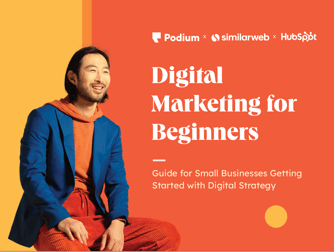
An Introduction to Digital Marketing
Learn the basics of digital marketing and explore different ways to reach your ideal customer.
-
150+ Sales Email Subject Lines That Get Opened, Read, and Responded To
Get inspired with our list of email subject lines that progress opportunities and help clo...
-
The Secret to Driving Revenue With Sales Activity Management
Here's how to get started with sales activity management, and our favorite tools for track...
-
Price Elasticity: What It Is & How to Calculate It
Economics doesn’t have to be confusing — this guide breaks down price elasticity so you ca...
-
When Business Is Slow, It's Time to Work on These 16 Things
Slow business happens to everyone. The key is spotting the patterns, understanding what’s ...


From the HubSpot Podcast Network
-
Business Made Simple

Your Website Probably Stinks—Here’s How to Fix It!
-
The Science of Scaling

How to Scale a Billion Dollar Sales Team w/ John McMahon (Board Member, Snowflake)
-
Truth, Lies and Workplace Culture
-2.png?height=240&name=PodcastCovers23%20(1)-2.png)
From Bystander to Ally: How to Avoid DEIB Washing
-
Imperfect Action
-2.png?height=240&name=PodcastCovers23%20(4)-2.png)
The art of the post-launch review: 5 questions to make your next launch a success
-
Latinx In Power
.png?height=240&name=PodcastCovers23%20(6).png)
Harnessing the Power of Silence in Negotiation with Diana Kleps
-
The Sales Evangelist

5 Ways To Do Daily Outbound With LinkedIn
-
Business Made Simple
Your Website Probably Stinks—Here’s How to Fix It!
-
The Science of Scaling
How to Scale a Billion Dollar Sales Team w/ John McMahon (Board Member, Snowflake)
-
Truth, Lies and Workplace Culture
From Bystander to Ally: How to Avoid DEIB Washing
-
Imperfect Action
The art of the post-launch review: 5 questions to make your next launch a success
-
Latinx In Power
Harnessing the Power of Silence in Negotiation with Diana Kleps
-
The Sales Evangelist
5 Ways To Do Daily Outbound With LinkedIn
-
Business Made Simple
Your Website Probably Stinks—Here’s How to Fix It!
-
The Science of Scaling
How to Scale a Billion Dollar Sales Team w/ John McMahon (Board Member, Snowflake)
-
Truth, Lies and Workplace Culture
From Bystander to Ally: How to Avoid DEIB Washing
-
Imperfect Action
The art of the post-launch review: 5 questions to make your next launch a success
-
Latinx In Power
Harnessing the Power of Silence in Negotiation with Diana Kleps
-
The Sales Evangelist
5 Ways To Do Daily Outbound With LinkedIn
-
10 Ecommerce Website Performance Metrics to Track [+Trends & Data]
Check out the latest trends in ecommerce website performance based on data that we gathere...
-
How to Start Coding: Essential Tips for First-Time Programmers
Want to learn how to start coding but unsure where to begin? Welcome to coding for beginne...
-
21 Dos and Don’ts of Using Website Templates in 2025
Learn how to choose and effectively use website templates with these expert tips and guide...
-
Fluid Design and How It Is Used on Websites — My Deep Dive
Discover the power of fluid design in web development. Learn what it is, how it works, and...
-
45 Website Pop-up Examples That Get Clicks
Explore some of the best website pop-up designs that get clicks, generate leads, and keep ...
-
Primary and Secondary Navigation Explained, Making the Right Decision for Your S...
Learn the difference between primary and secondary navigation, two essential components fo...


Explore more topics
Ready to brush up on something new? We've got more to read right this way.

.png)