
The lead generation process involves capturing visitor information through various channels — from content offers and webinars to free trials and newsletters. By focusing on attracting people already seeking solutions, businesses build genuine relationships that drive sustainable business growth.
This comprehensive guide covers what lead generation means, why it's essential for businesses, and proven strategies to generate qualified leads that convert.
Table of Contents
- What is a lead?
- What is lead generation?
- Understanding the Lead Generation Process
- Why do you need lead generation?
- How Lead Generation Works
- The Lead Generation Funnel
- How to Generate Leads
- How to Qualify a Lead
- Lead Generation Strategies
- Lead Generation Best Practices
- Frequently Asked Questions About Lead Generation

An Introduction to Lead Generation
A starter guide to converting website visitors into leads for your business.
- Define and qualify a lead.
- Promote lead gen campaigns.
- Resources to get you started.
- Examples of great campaigns.
Download Free
All fields are required.
What is a lead?
A lead is any person who indicates interest in a company’s product or service. Leads typically hear from a business or organization after opening communication (by submitting personal information for an offer, trial, or subscription) instead of getting a random cold call.
Let’s say I take an online survey to learn more about how to take care of my car. A day or so later, I receive an email from the auto company that created the survey. This process is far less intrusive than if they’d just called me out of the blue.
Leads are part of the lifecycle of transitioning visitors to customers. Not all leads are the same. There are different types of leads based on how they are qualified and what lifecycle stage they’re in.
Marketing Qualified Lead (MQL)
Marketing-qualified leads are contacts who have engaged with a marketing team’s efforts but aren’t ready to receive a sales call. An example of an MQL is a contact who fills out a landing page form for an offer.
Sales Qualified Lead (SQL)
Sales-qualified leads are contacts who’ve taken actions that expressly indicate their interest in becoming paying customers. An example of an SQL is a contact who fills out a form to ask a question about a product or service.
Product Qualified Lead (PQL)
Product-qualified leads are contacts who’ve used the product and taken actions that indicate interest in becoming a paying customer. PQLs typically exist for companies who offer a product trial or a free or limited version of their product with options to upgrade. An example of a PQL is a customer who uses a free version but asks about paid features.
Service Qualified Lead
Service-qualified leads are contacts or customers who’ve indicated to service teams that they’re interested in becoming paying customers. For example, a prospect could tell their customer service representative that they’d like to upgrade their subscription. At this time, the rep would up-level this customer to the appropriate sales team.
What is lead generation?
Lead generation is the strategic process of identifying, attracting, and converting prospects into potential customers. The process involves capturing contact information from site visitors who demonstrate buying intent, then nurturing those relationships until they're ready to buy.
In traditional outbound sales, businesses push unsolicited messages to broad audiences. Meanwhile, modern lead generation focuses on inbound methodology. This means creating valuable content and experiences that attract qualified prospects, then building credibility before a sales conversation begins.
Understanding the Lead Generation Process
The lead generation process typically follows several key stages that transform strangers into sales-ready prospects:
- 1. Attract: Marketers draw potential customers in through content marketing, SEO, social media, paid advertising, or other channels that provide value to the target audience.
- 2. Capture: Businesses collect contact information through lead magnets like downloadable resources, webinar registrations, free trials, or newsletter subscriptions.
- 3. Qualify: Marketers assess leads based on their demographics, behavior, and engagement level to determine their fit for products or services.
- 4. Nurture: Marketing teams build relationships through targeted email campaigns, personalized content, and strategic touchpoints that address prospects’ specific pain points.
- 5. Convert: Marketers transition qualified leads to sales when they demonstrate clear buying signals.
The fundamental difference between lead generation and traditional sales is timing. Lead generation allows prospects to raise their hands and express interest on their own terms. That permission-based approach to marketing leads to higher-quality conversations and better conversion rates.
Why do you need lead generation?
Lead generation is a growth strategy that delivers measurable business results and sustainable growth. Lead generation benefits businesses by
- Building a predictable sales pipeline. Rather than relying on sporadic referrals or reactive sales tactics, lead generation creates a consistent flow of qualified prospects. This predictability allows teams to forecast revenue accurately and scale with confidence.
- Reducing customer acquisition costs. By attracting people who are actively searching for solutions, sales teams eliminate wasted effort on cold outreach to uninterested parties.
- Creating valuable customer insights. The lead generation process generates data about who's interested in an offering, which content resonates most, and what pain points matter. These insights inform a business’ marketing strategies and product development.
- Establishing brand authority and trust. Prospects who discover a business through helpful resources already view the brand as a credible source before any sales conversation begins.
An Introduction to Lead Generation
A starter guide to converting website visitors into leads for your business.
- Define and qualify a lead.
- Promote lead gen campaigns.
- Resources to get you started.
- Examples of great campaigns.
Download Free
All fields are required.
How Lead Generation Works
Lead generation ensures a steady flow of potential customers, which is essential for sustained growth and profitability. Effective lead gen strategies also encourage long-term relationships, enhance brand reputation, and provide valuable insights into customer preferences. This results in a business that is better positioned to identify opportunities and achieve strategic objectives.
The lead generation process involves several key stages: attracting, capturing, nurturing, qualifying, and converting leads.
1. Attracting Potential Leads
The first step in lead generation is attracting the right audience. Marketers typically achieve this by creating and distributing valuable content that resonates with target markets. That may involve writing blog posts, posting on social media, hosting webinars, and search engine optimization (SEO) to increase the brand’s online visibility.
For example, a tech company publishing insightful articles on the latest industry trends can attract individuals (or other businesses) interested in those topics.
2. Capturing Lead Information
The next step is to capture their contact information. Marketers have to go the extra mile by offering them something of value in exchange for their details. This could be an ebook, a free trial, a discount on their first purchase, or access to a webinar.
For example, a marketing agency might offer a free downloadable guide on improving online presence. Visitors just need to share their names and email addresses.
3. Nurturing Relationships
After capturing a lead’s information, nurturing the relationship is vital to move them through the sales funnel. This involves engaging with leads through personalized email marketing campaigns, targeted content, and follow-up communications over time.
For example, a real estate company may send regular updates on market trends, new property listings, and home-buying tips to keep potential buyers engaged and informed.
4. Qualifying Leads
Not all leads are ready to make a purchase immediately, which makes qualifying leads a critical step. The lead qualification process involves assessing the lead’s readiness to buy, their budget, authority to make decisions, and specific needs.
Techniques like lead scoring help identify the most promising prospects. For example, a B2B company might prioritize leads that have attended multiple webinars, downloaded several resources, and have a company size that matches its ideal customer profile.
5. Converting Leads to Paying Customers
The final stage of lead generation is converting qualified leads into paying customers. This involves presenting tailored offers, addressing any remaining objections, and facilitating a smooth transition from prospect to customer.
In this phase, teams need to implement effective sales strategies and timely follow-ups, and have a clear understanding of the lead’s needs. For instance, an online course provider might offer a limited-time discount to leads who have shown high engagement, encouraging them to enroll.
The Lead Generation Funnel
The lead generation funnel is a strategic framework that divides the customer journey into three distinct stages: top of the funnel (TOFU), middle of the funnel (MOFU), and bottom of the funnel (BOFU). Each stage has a unique purpose, tailored content, and specific tactics to engage prospects based on where they are in their buying journey.
Top of the Funnel (TOFU)
At the top of the funnel, the primary focus is on awareness. In this stage, potential customers are just beginning to recognize a problem or need, and they may not yet be aware of how to address it. The goal here is to create content that attracts a wide audience and generates interest.
This content includes:
- Blog posts addressing common industry challenges.
- Educational videos or infographics that explain basic concepts.
- Social media posts aimed at sparking curiosity.
- Ebooks or whitepapers providing a high-level overview of a topic.
Case in point:
Say I’m a small business owner researching ways to improve my digital marketing strategy. I come across a blog post that explains the fundamentals of SEO. This content sparks my interest and introduces me to the idea that effective online marketing requires targeted strategies — a realization that sets the stage for deeper engagement.
Middle of the Funnel (MOFU)
The middle of the funnel focuses on consideration and evaluation. By this point, potential customers have identified their needs and are comparing potential solutions. The objective is to educate and nurture these prospects while building trust and credibility.
Some kinds of content to create for this purpose include:
- In-depth guides that compare different products or services.
- Webinars and case studies that showcase successful product implementations.
- Detailed how-to articles or FAQ sections that answer specific questions.
- Email newsletters that provide targeted insights and industry trends.
Case in point:
As a marketing manager, I download a beginner’s guide on digital marketing from a marketing agency’s website. Over the next few weeks, I receive a series of informative emails that delve deeper into topics like lead generation strategies and best practices.
Additionally, I view a pre-recorded webinar featuring a case study from a similar company that successfully improved its online presence. With these resources, I evaluate how the solutions might fit my company’s needs and start considering a specific service provider.
Bottom of the Funnel (BOFU)
At the bottom of the funnel, the focus shifts from evaluation to conversion. Prospects in this stage are well-informed and have a clear understanding of their needs. They’re now evaluating final options and looking for compelling reasons to choose one solution over another.
In this case, here are some kinds of content that can seal the deal with potential customers:
- Detailed product demonstrations or free trials that provide hands-on experience.
- Customer testimonials and success stories that illustrate real-world benefits.
- Personalized consultations or sales calls designed to address specific queries.
- Limited-time offers, discounts, or comprehensive service comparisons.
Case in point:
I have now been actively researching digital marketing agencies for months. After participating in several webinars and reading multiple case studies, I narrow my choices down to two providers.
At this point, I schedule a live demo with one of the agencies, receive a personalized proposal, and read testimonials from current customers. This final step addresses lingering questions and directly paves the way toward making a purchase decision.
How to Generate Leads
Once businesses understand their funnels, marketing teams can use promotional channels to start generating leads. Teams can use digital methods and offline tactics to fill their funnels. HubSpot Research found that 34.49% of companies leverage email marketing as a lead generation channel. Of marketers use 69.56% Facebook in their marketing strategy, followed by Instagram (60.31%) and YouTube (58.77%).
There are even more channels you can use to get visitors to become leads. I’ll discuss the most impactful below.
Digital Lead Generation Strategies
1. Create compelling content.
Content — and its trusty companion, SEO — are often the go-to methods businesses use to generate leads. Ryan Robinson, the founder and CEO of RightBlogger, explains that content marketing and SEO teams should attract leads who are already interested in an offering, rather than interrupting people with disruptive ads and promotions.
I find content is a great way to guide users to a landing page. Typically, you create content to provide visitors with useful, free information. You can include CTAs anywhere in your content — inline, at the bottom of the post, in the hero section, or even on the side panel.
Robinson shared an anecdote with me to illustrate just how powerful content and SEO can be for generating leads.
“I vividly remember one client who initially found us after reading a blog post … That post showed him how AI writing assistants could streamline his process while still allowing for human oversight and quality control. A few weeks later, he signed up for one of our AI writing packages,” Robinson recalls.
In other words, the more delighted visitors are with content, the more likely they are to click a CTA and move onto a landing page.
Pro tip: HubSpot’s Blog Ideas Generator leverages search volume data from Semrush, giving teams the insights necessary to identify content ideas that both search engines and website visitors will love.
Featured Resource: HubSpot Ebook Templates
2. Send regular emails.
Email is a great place to reach people who already know a brand, product, or service. It’s much easier to ask them to take action since they’ve previously subscribed to a list.

Noel Griffith, the CMO at SupplyGem, knows all about using email marketing for lead generation. Griffith explains that within a few months of launching a new email newsletter, “it became the top source of new leads for our business.”
He says that “by consistently providing helpful information for free, we were able to build strong relationships… When the time came for them to make a purchase or renewal decision, we were the first ones they thought of.”
Pro tip: When writing emails, use CTAs with compelling copy and an eye-catching design to grab subscriber’s attention.
Featured resource: The Beginner’s Guide to Email Marketing
3. Use social media.
Social media platforms like Facebook, Instagram, X (previously Twitter), and LinkedIn are powerful tools for reaching potential leads directly. These platforms make it easy to guide followers to take action, from the swipe-up option on Instagram stories to Facebook bio links to URLs on X.
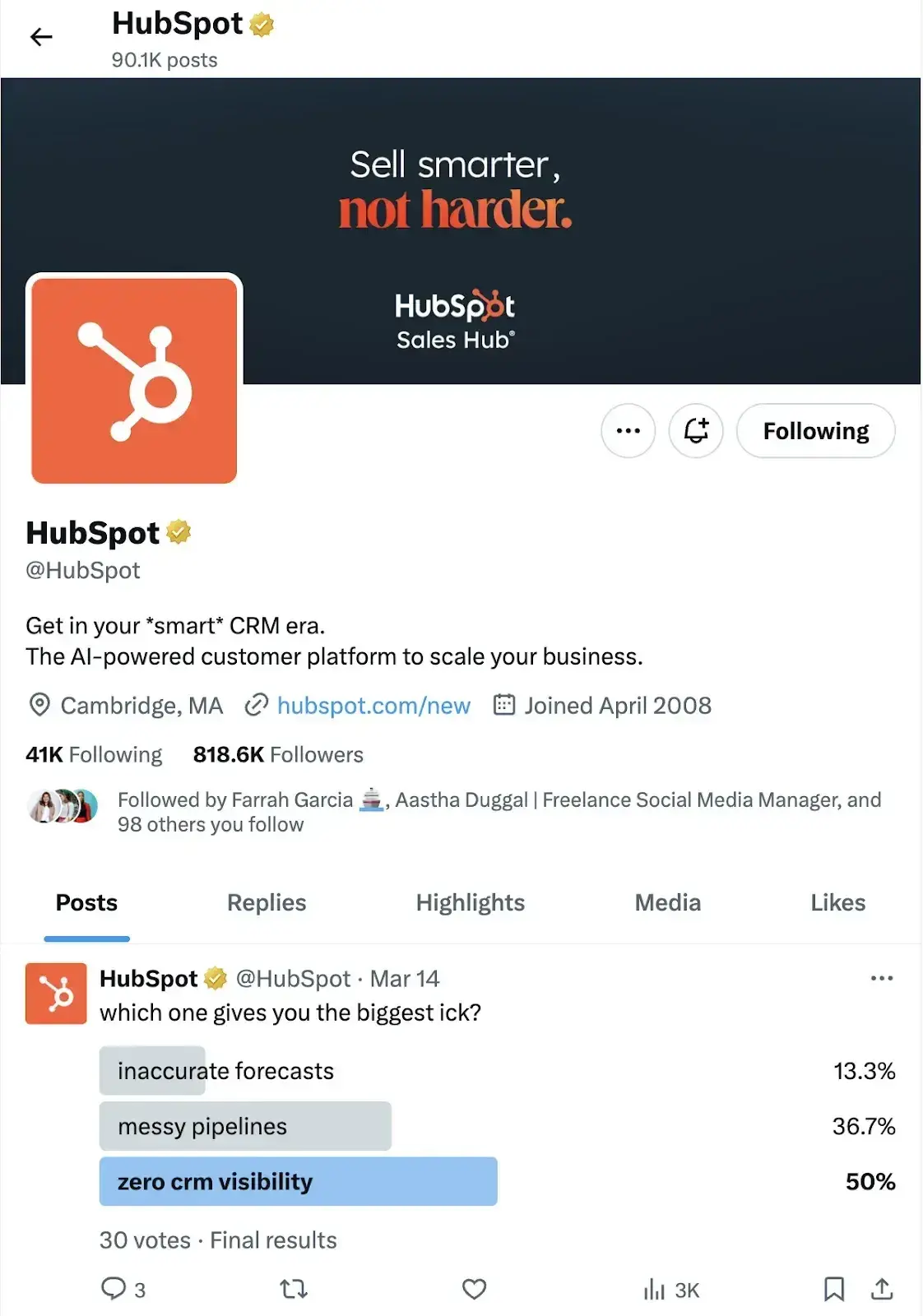
I love that you can also promote your offerings on social media and include a CTA in your caption. Learn more about social media campaigns in this post.
While marketers can organically build an audience on social media, these platforms also allow them to run paid ads that help build brand awareness and generate leads in a shorter period of time.
Jason Hunt, the co-founder and CMO at Merged Media, shares that “the real power of social media advertising lies in its ability to segment audiences very precisely and test different messages to see which performs best. This approach ensures that the message is being seen by a highly relevant audience, increasing the chances of turning those individuals into leads.”
Pro tip: For teams who want see ads to convert, be sure that landing page and offer match exactly what is promised in the ad and that the action users should take is crystal clear.
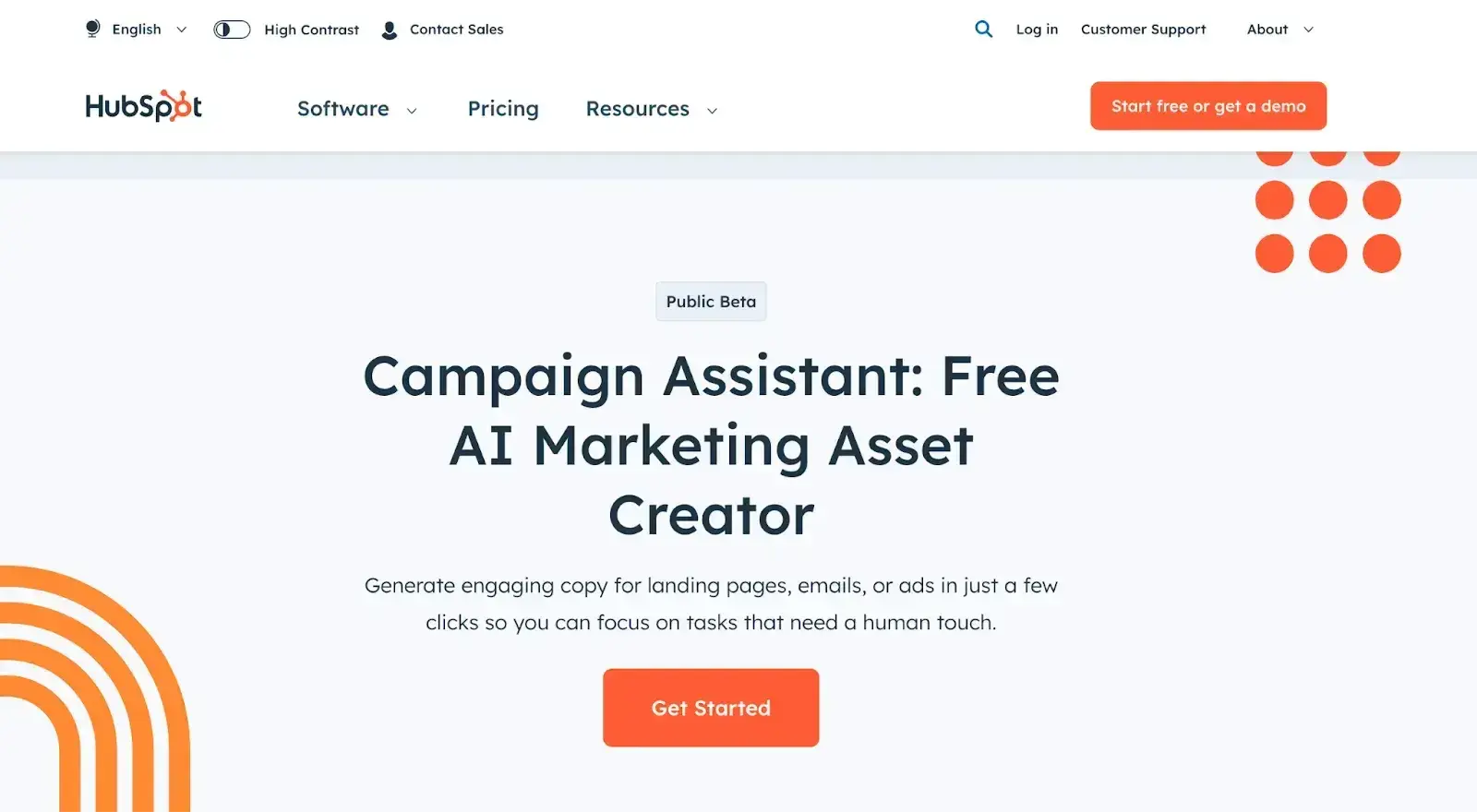
If teams need help with email and ad campaigns, check out HubSpot’s Campaign Assistant, a free AI-powered tool that can help create landing page copy, email copy, and paid ad copy for marketing campaigns.
4. Write informative blog posts.
https://youtu.be/qK_EQ-3BifM?si=DQ28ug206C3fnLwv
Teams can write blog posts specifically tailored to promote offers. Suppose a company offer is an instructional video on setting up Google Search Console. In that case, they can write a blog post about selecting marketing metrics, making the CTA highly relevant and easy to click.
Not sure what to write about? Use HubSpot’s Blog Idea Generator to brainstorm blog post ideas, create a blog outline, write a first draft, and publish the post.

Featured resource: 6 Free Blog Post Templates
5. Offer product trials.
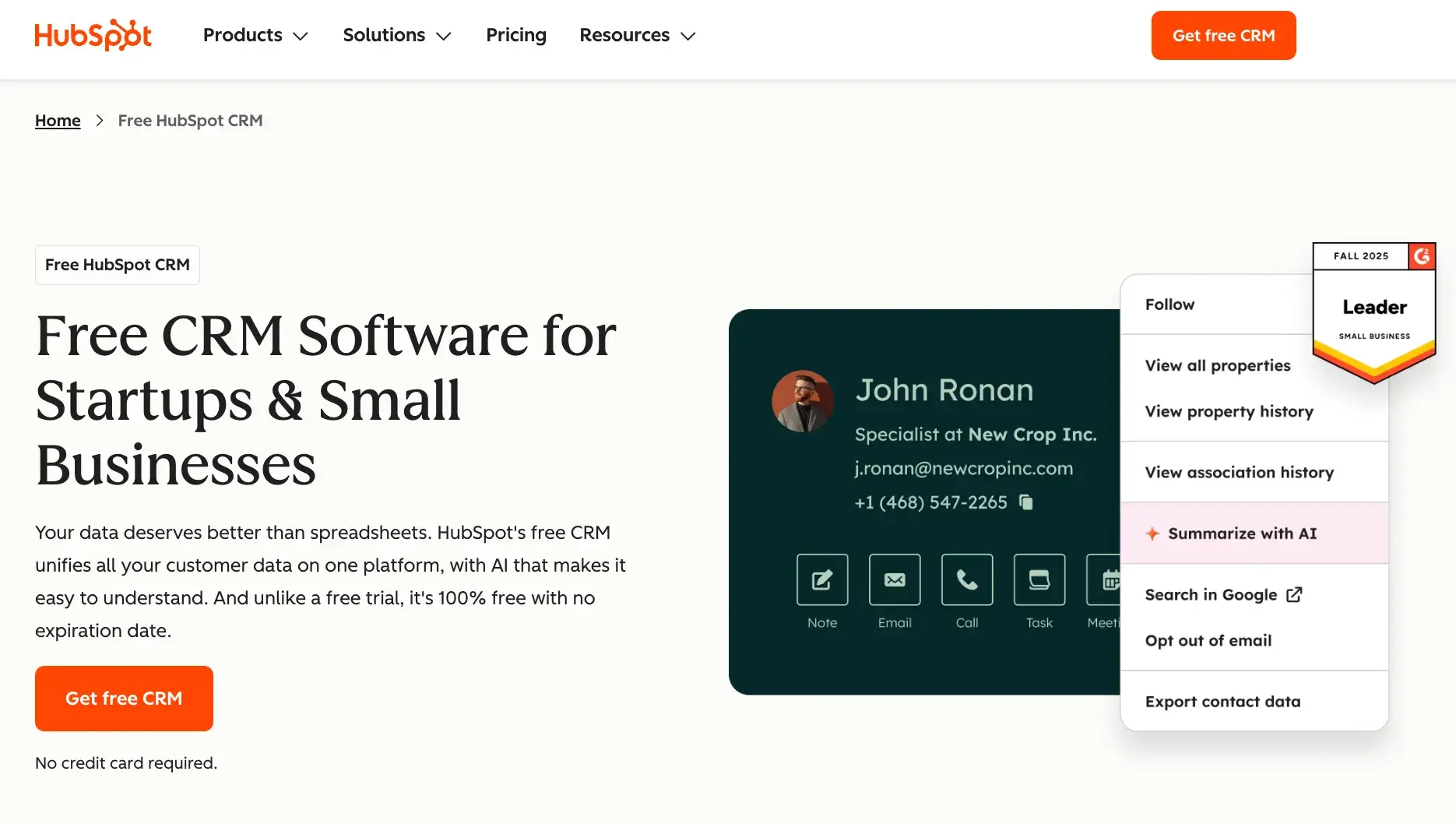
Businesses can break down many sales barriers by offering trials. Once a prospect uses the product, reps can entice them with additional offers or resources to encourage them to buy. Another best practice is to include branding in the free versions so teams can capture other potential customers, too.
6. Ask for referrals.
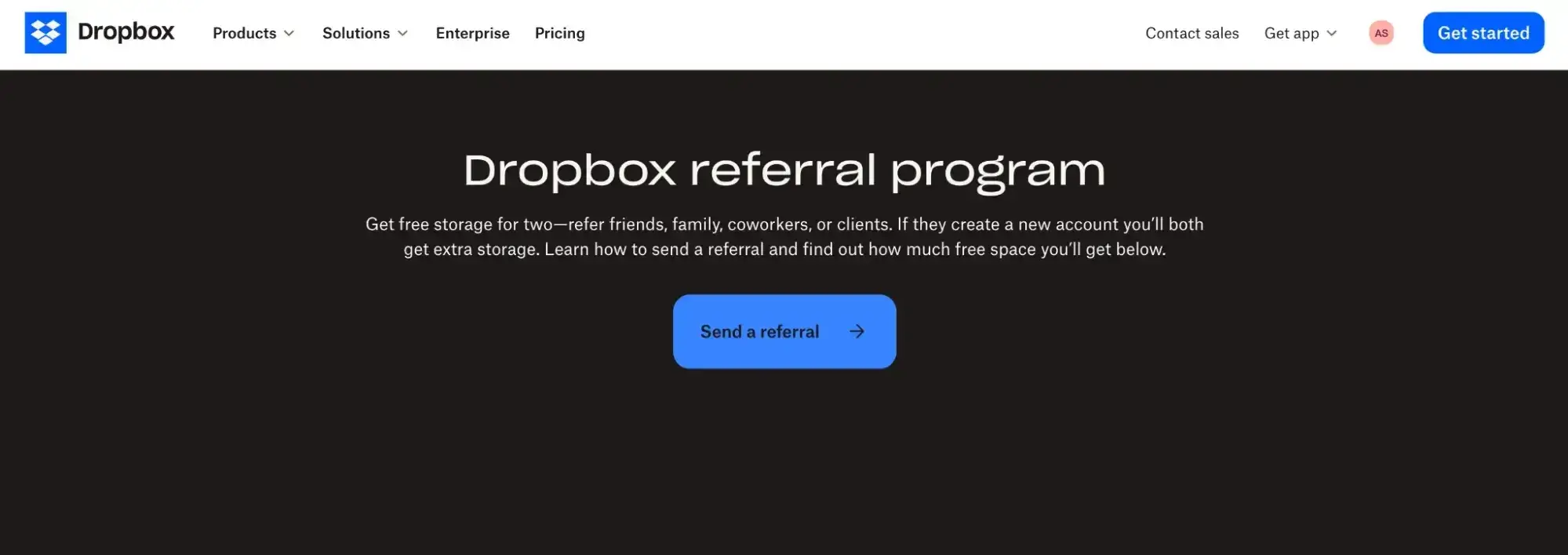
Referral, or word-of-mouth marketing, is helpful for lead generation in a different way. It gets brands in front of more people, increasing the chance of generating more leads.
According to Daniel Nyquist, the CMO at Crosslist, referral marketing is effective because marketers are asking satisfied customers to refer the brand to their network.
Nyquist once implemented a referral program to reward existing clients. Referrals accounted for over 40% of new business within six months. Nyquist says, “The key is building genuine relationships and delivering exceptional value so people are eager to tell others about [the brand].”
Whatever channel teams use to generate leads, they’ll want to guide users to landing pages. As long as they’ve built a landing page that converts, the rest will handle itself.
An Introduction to Lead Generation
A starter guide to converting website visitors into leads for your business.
- Define and qualify a lead.
- Promote lead gen campaigns.
- Resources to get you started.
- Examples of great campaigns.
Download Free
All fields are required.
Offline Lead Generation Methods
7. Organize industry events.
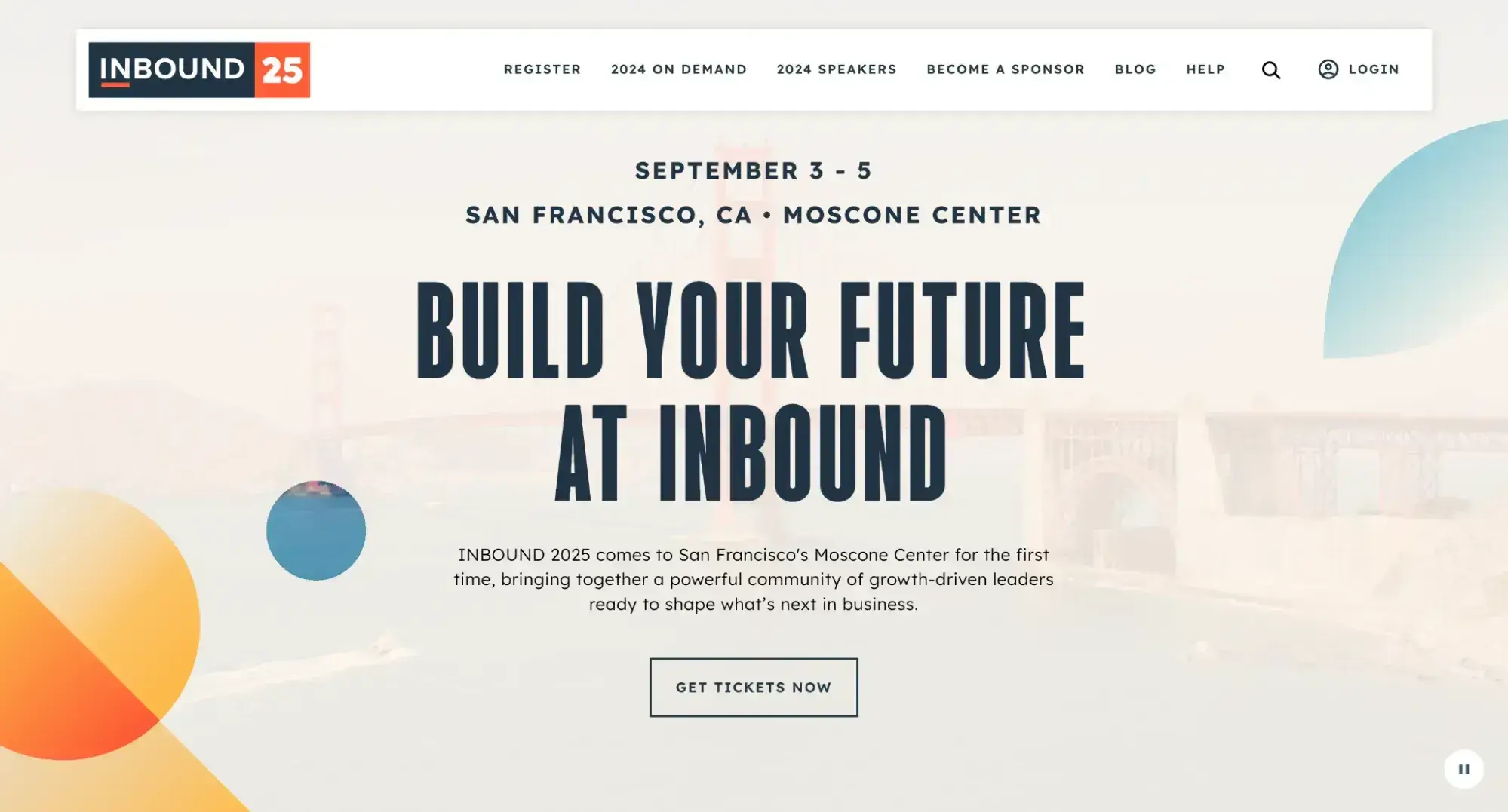
Industry events are a great way to get face-to-face with potential buyers. Through networking at events, reps can nurture new contacts into qualified leads. If teams have the marketing budget, they can take this further and exhibit at events. Exhibitions make qualifying new leads from a booth easier with a personalized demo or consultation.
8. Collaborate with other businesses and creators.
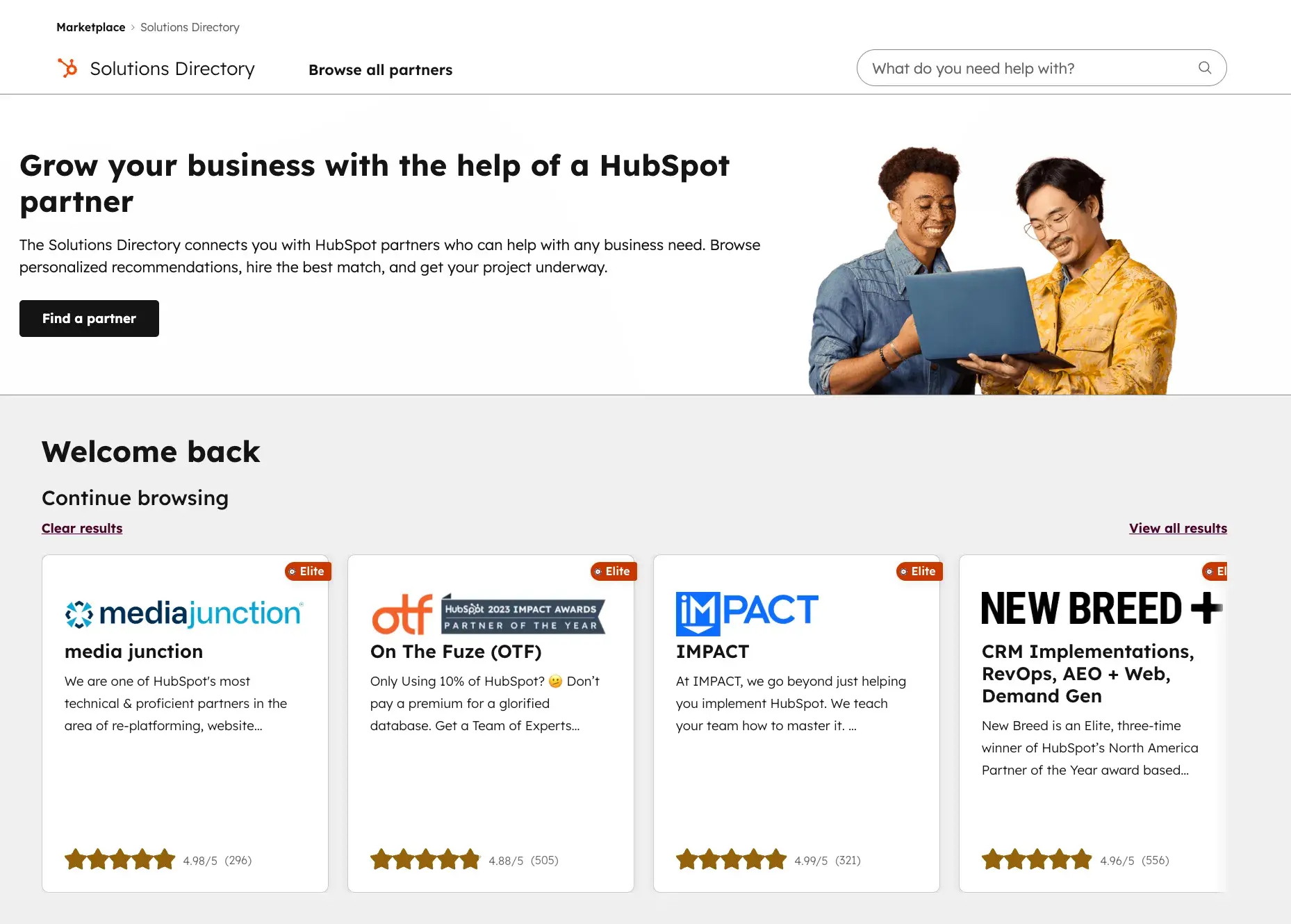
Business partnerships are often a source of huge untapped potential for lead generation. Target audiences are usually closely aligned, even if products and services differ.
Partner marketing can be as simple as a logo placement on a partner’s website. But, marketers can take it further with joint content strategies, promotional materials, and more. This way, teams get both brands in front of each other’s customer bases in a mutually beneficial way.
Another way to explore this is through partnerships with influencers that align well with brands and objectives. Mike Falahee, the owner of Marygrove Awnings, has experienced a lot of success by collaborating with micro-influencers.
He shares, “You can generate leads by working with micro-influencers whose followership is highly engaged and who fit your target demographic and brand values.”
9. Build a community.
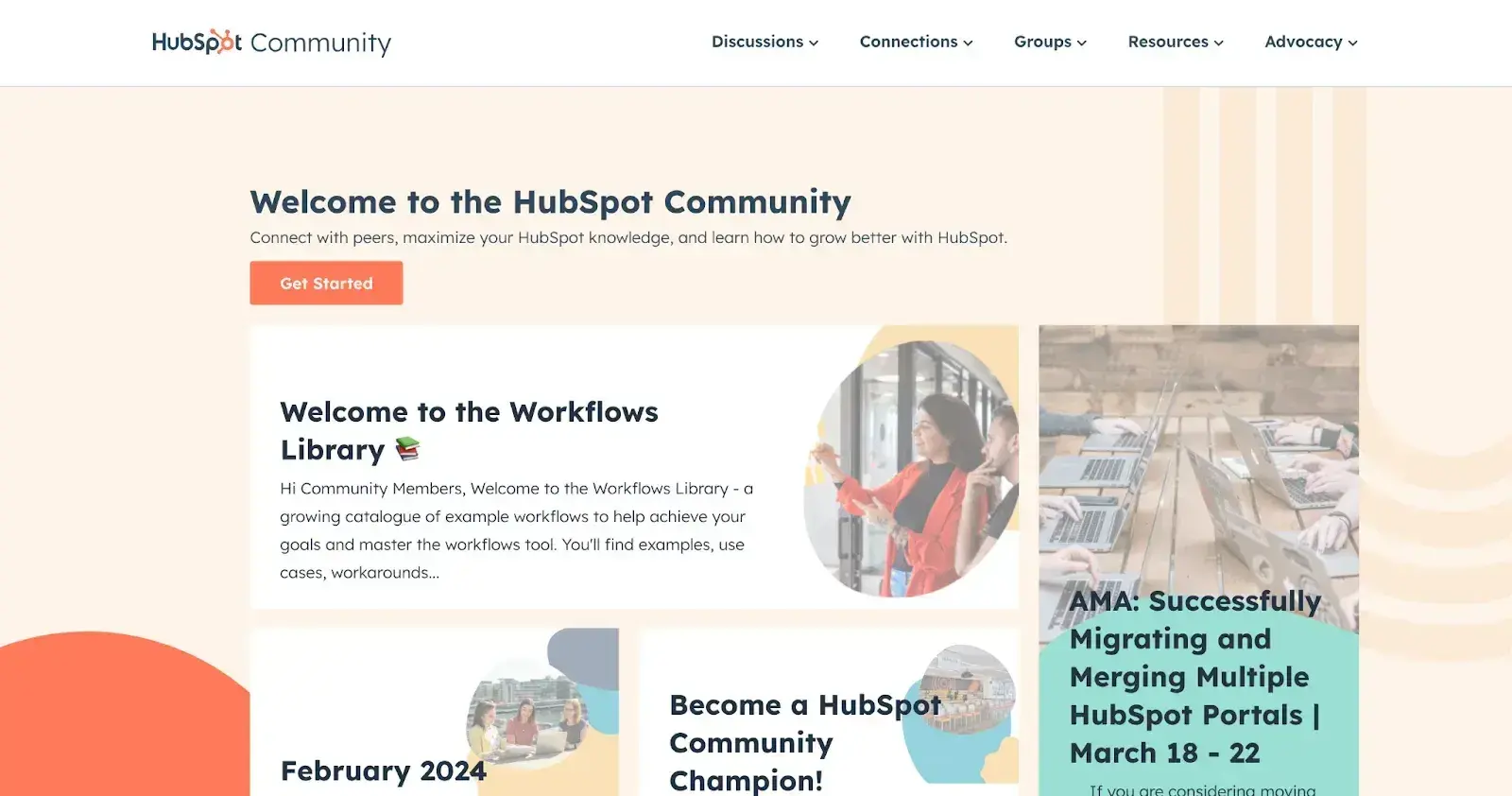
Communities are ideal for turning visitors into leads. They’re also a great way to nurture and qualify existing leads.
For example, let’s say I’ve got a new free trial user. They have a question about the product, so they head to my knowledge hub only to find a forum of engaged promoters discussing my product and providing guidance on how to use it.
Seeing how others use my product and the extent of my existing customer base can make the difference between a user who chooses to upgrade and one who simply walks away.
Remember, stellar customer service experiences are key here — this is what drives most users to openly talk about products. Using dedicated customer service software can elevate the customers’ experience, as it includes all the features necessary to improve the customer’s satisfaction. Some examples include omnichannel messaging, self-serve knowledge bases, and customer portals, as well as live chat and AI-powered chatbots.
Why not just buy leads?
While buying leads is much easier, it’s more expensive. Beyond that, purchased leads don’t know the brand. Typically, they didn’t opt into receiving anything from a company. The messages are unwanted. There’s a high chance prospects could flag the messages as spam, which is dangerous.
Once enough people flag messages as spam, an email address will be flagged and shared with other email providers. Once a brand gets flagged, it’s really, really hard to become credible again. In addition, email deliverability and IP reputation will likely be harmed.
It’s always better to generate leads organically rather than buy them. Learn how to grow an opt-in email list instead of buying one.
How to Qualify a Lead
Essentially, a sales lead is generated through information collection. This could result from a job seeker applying for an open role, a shopper sharing contact information in exchange for a coupon, or a person filling out a form to download a piece of content. Leads are then qualified based on their demographic and behavioral data to see if they fit the ideal customer persona.
Gauging a Lead’s Level of Interest
Below are a few ways teams can qualify someone as a lead. Let’s assess each scenario:
- Job Application. A candidate shares personal information because they want to be considered for a position. That application shows their interest in the job, qualifying the person as a lead for the company’s recruiting team — not marketing or sales.
- Coupon. If a shopper finds a valuable coupon, they may be willing to provide their name and email address in exchange for a deal. Although it’s not a lot of information, it’s enough for a business to know that someone has an interest in their company.
- Content. While the download of a coupon shows an individual has a direct interest in a product, content (like an ebook or webinar) does not. To understand the nature of the person’s interest, marketers will probably need to collect more information.
These three general examples highlight how lead generation differs from company to company and from person to person.
Marketers will need to collect enough information to gauge whether someone has a genuine interest in a product or service — how much information is enough will vary depending on the business.
Here's a great example of what to ask for in a lead gen form:
- Full Name. This is the most fundamental information needed to personalize communication with each lead.
- Email. This serves as a unique identifier and is how the brand will contact the lead.
- Company. This will allow marketers to research the lead’s industry, company, and how the lead might benefit from the product or service (mainly for B2B).
- Role. Understanding an individual’s role will help marketers understand how to communicate with them. Every brand stakeholder will have a different take and perspective on an offering (mainly for B2B).
- Country. Location information can help segment contacts by region and help qualify the lead depending on the service.
- State. The more detailed information a team can obtain without sacrificing conversions, the better. Knowing a lead’s state can help further qualify them.
To learn more intermediate-level tips on information collection and what to ask for on lead gen forms, read our post about it here.
Lead Scoring
Lead scoring is a way to qualify leads quantitatively. Using this technique, leads are assigned a numerical value (or score) to determine where they fall on the scale from “interested” to “ready for a sale.” The criteria for these actions are up to each team, but they must be uniform across marketing and sales departments so that everyone works on the same scale.
A lead’s score can be based on actions they’ve taken, the information they’ve provided, their level of engagement, or other criteria that the sales team determines.
For instance, a business may score someone higher if they regularly engage with a brand on social media. Borrowing from the examples above, teams might give a lead a higher score if they used a coupon — an action that would signify that the person is interested in a product.
The higher a lead’s score, the closer they are to becoming an SQL, which is only a step away from becoming a customer. Teams may need to tweak their criteria until they find the formula that works.
Lead Generation Strategies
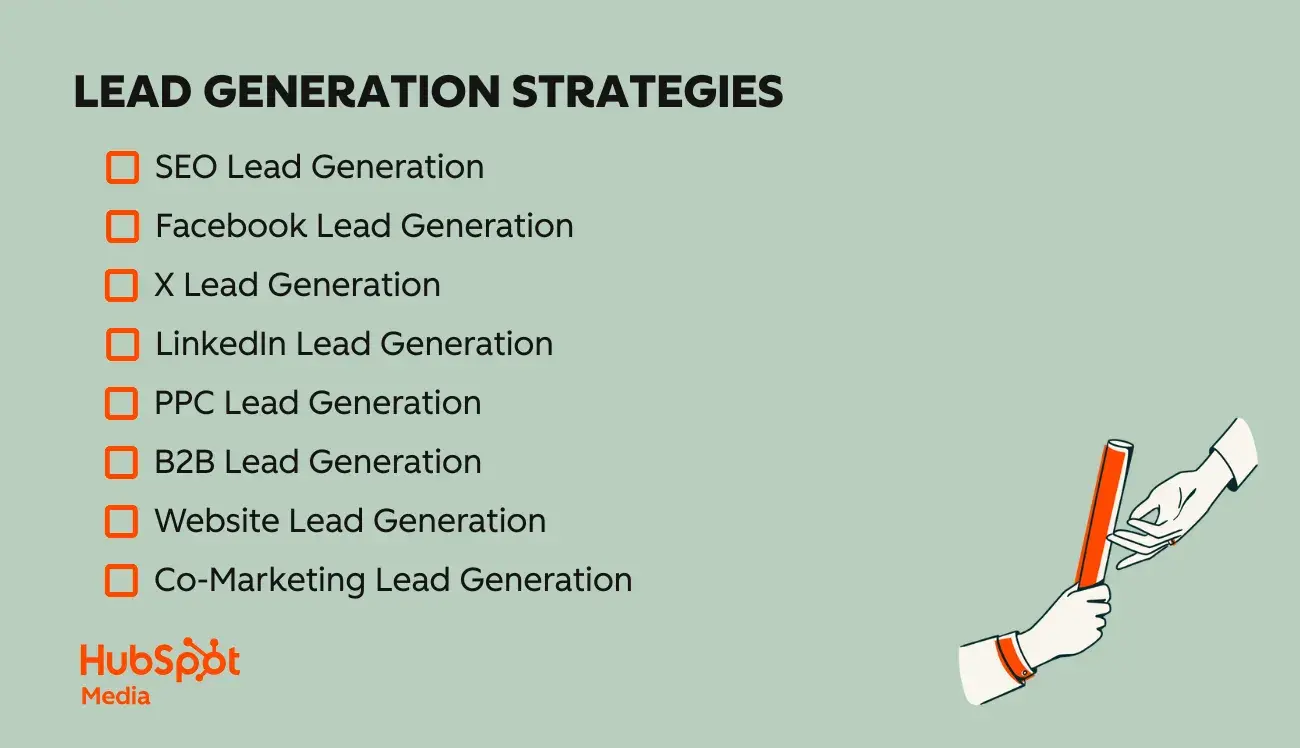
Online lead generation encompasses various tactics, campaigns, and strategies depending on the platform used to capture leads. Popular lead generation tactics include:
- SEO.
- Social media marketing.
- Content marketing.
- PPC campaigns.
- And co-marketing.
SEO Lead Generation
Search engine optimization (SEO) is the practice of improving a website’s visibility on search engines, making it easier for potential leads to find content organically. SEO is effective at helping generate leads because it can drive a lot of visitors to a website organically.
There are three kinds of SEO: on-page SEO (to optimize the content on the website), off-page SEO (optimization techniques done outside the website), and technical SEO (optimizing the underpinnings of the website).
While these three branches work together to make a well-optimized website, I’ll be focused on on-page SEO — and I’ll touch on the most important steps to take:
1. Select keywords.
Identifying the right keywords is the cornerstone of any successful SEO strategy. These keywords represent the search queries the target audience uses to find information and solutions to their problems.
Marketers can use a free tool like Google Keyword Planner (if they have a Google Ads account) or paid tools like Ahrefs and SEMrush to gather initial keyword ideas. The paid tools go further to surface information like search volume, keyword difficulty, traffic potential, and a SERP overview for each keyword.
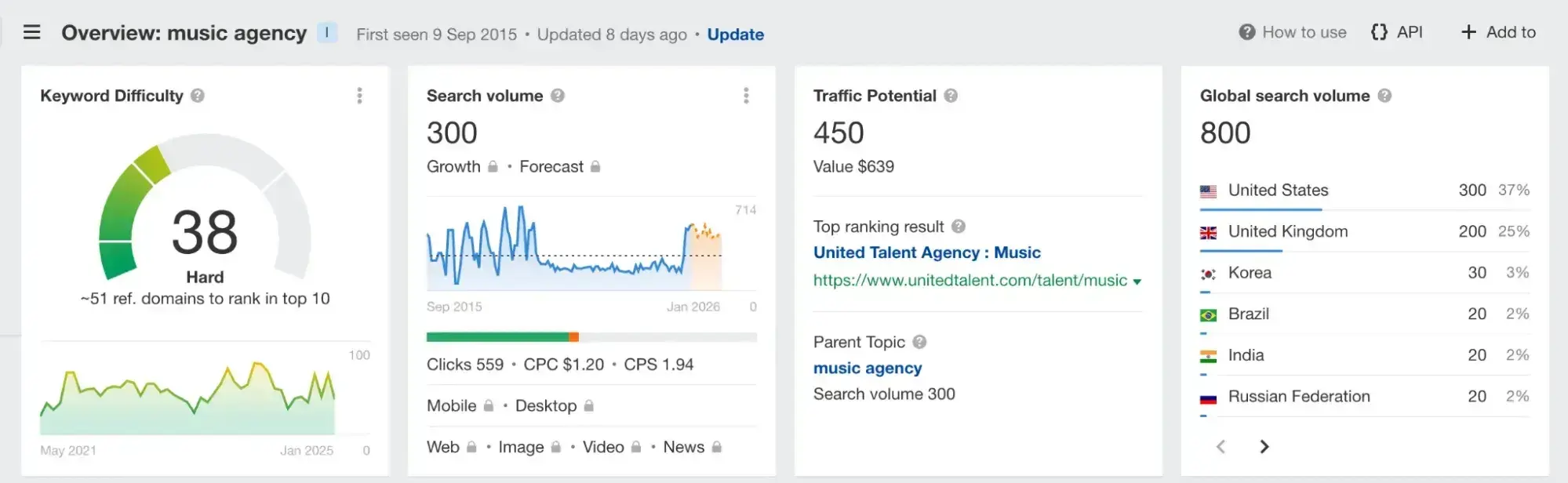
When choosing keywords, choose those with a good balance of high search volume and low-to-moderate competitiveness so content has a better chance of ranking. For instance, a keyword like “seo strategy” might have a high search volume but also high competition, often requiring numerous quality backlinks to rank in the top 10.
If a business doesn’t have a website with many ranking pages, teams may have better luck optimizing for a different keyword with lower competition, like “seo lead gen strategy.”
Also, ensure that chosen keywords directly relate to the business or the problems the audience is facing. For example, if a business offers a lead generation solution, they should look for keywords that indicate interest in lead generation strategies, tools, or best practices.
2. Create and optimize your content with your keywords.
Put those keywords to good use by developing relevant content (articles, blog posts, guides, videos) that provide helpful information, answer common questions, or solve problems related to keywords.
To decide what to create, analyze the top-ranking pages for chosen keywords to understand what type of content is performing well. Then, create content that offers more depth, better visuals, or updated insights.
When writing, naturally integrate target keywords into the title, headings, meta descriptions, and throughout the body of the content. Also, link to related content on the website to help search engines discover and rank the new page quickly.
Pro tip: While it’s technically off-page SEO, it’s also a good practice to obtain quality external backlinks that signal authority and trustworthiness to search engines. Also, ensure that the website loads quickly, is mobile-friendly, and provides a clear, intuitive layout that encourages visitors to explore further.
3. Create and offer lead magnets.
The best way to get people to give up their contact information is to give them something valuable in return, for free. That free item is known as a lead magnet. It could be an ebook, webinar, checklist, case study, template, or any resource that dives deeper into a topic of interest.
However, marketers can’t just create any lead magnet they want to. The lead magnet should complement the content that the visitor just consumed. For example, for a blog post about lead generation best practices, a lead magnet might be a detailed guide or toolkit on how to implement those practices.
After creating lead magnets, ensure that the process to access them is simple. Use a short form to capture essential information (name, email, etc.) without overwhelming the visitor.
Pro tip: Before attaching the form for the lead magnet, communicate what the visitor will gain by providing their information. For instance, “Download our free toolkit to supercharge your lead generation efforts.”
An Introduction to Lead Generation
A starter guide to converting website visitors into leads for your business.
- Define and qualify a lead.
- Promote lead gen campaigns.
- Resources to get you started.
- Examples of great campaigns.
Download Free
All fields are required.
Facebook Lead Generation
Facebook has been a method for lead generation since its inception. Originally, companies could use outbound links in their posts and information in their bios to attract strangers to their websites.
However, when Facebook Ads was launched in 2007, and its algorithm began to favor accounts that used paid advertising, there was a major shift in how businesses used the platform to capture leads.
Facebook created Lead Ads for this purpose. Facebook also has a feature that lets marketers put a simple CTA button at the top of a Facebook Page, helping brands send Facebook followers directly to their websites.
To run a Facebook Ads campaign, here are the steps marketers need to take:
1. Define your objectives and audience.
First, set clear goals to achieve with the campaign. Do teams want to generate a specific number of leads, to get a boost in email subscribers, or to drive traffic to a landing page? Clear objectives will guide the campaign’s structure.
When goals are set, use Facebook’s audience insights to create a detailed buyer persona. Consider factors like:
- Age
- Location
- Interests
- Behavior, etc.
Pro tip: Consider creating custom audiences based on existing data (like website visitors) and lookalike audiences to expand the campaign’s reach.
2. Create a compelling offer and lead form.
Decide on an incentive that encourages prospects to submit their information, such as a free ebook, webinar registration, discount, or consultation. Then, design a lead form.
On the form, use a clear headline and a short description that explains what the lead will receive. Keep the form concise by asking only for essential information — typically name, email, and perhaps one or two qualifying questions (for lead segmentation purposes).
3. Choose the right campaign objective.
Click Create to build a new Facebook ad campaign in Ads Manager. Then, choose a campaign objective. In this case, the objective would be Leads.
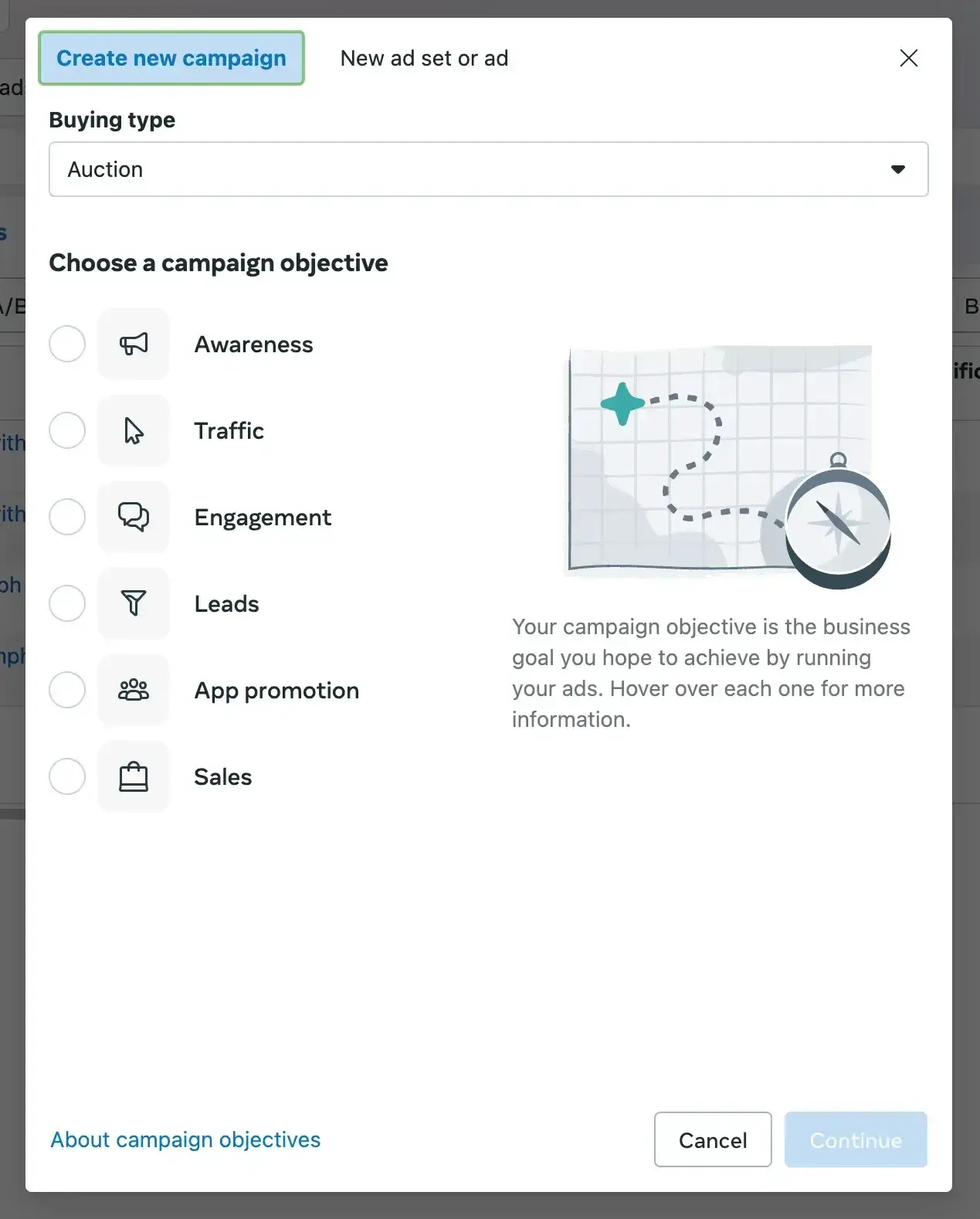
Teams can use preset campaign optimizations. The manual option also allows teams to build a campaign from scratch. If using manual:
- Set the budget (daily or lifetime).
- Specify the audience (from the information gathered in Step 1).
- Decide which ad placements to use (Automatic Placements, which lets Facebook optimize delivery, or Manual Placements to select specific locations such as News Feed or Stories).
- Set a start and end date or run the campaign continuously.
4. Design engaging visuals and messaging.
Teams need visuals and ad copy to run with Facebook Ads campaign. For the visuals, make sure to use high-quality images or short videos that capture attention, and include branding elements to build recognition and trust.
For the ad copy, craft a persuasive headline and clear CTA that highlights the benefit of the offer. Ensure the messaging is aligned with the target audience’s needs and pain points.
Pro tip: Consider creating A/B tests with different images, headlines, and CTAs to identify the best-performing combination.
5. Launch and monitor the campaign.
After uploading visuals and copy, double-check all campaign settings, including targeting, budget, and ad creatives, to ensure they’re accurate. Then, launch the campaign.
As ads run and leads start to trickle in, track metrics such as cost per lead, click-through rate, and conversion rate to understand how the audience is interacting with the ad and make adjustments as needed.
Get some lead generation tips for Facebook.
Featured Resource: 50 Facebook Ad Examples We Actually Clicked
X Lead Generation
X has X Lead Gen Cards, which let brands generate leads directly within a tweet without leaving the site.
A user’s name, email address, and X username are automatically pulled into the card, and all they have to do is click “Submit” to become a lead.
Setting up an X lead gen card takes but a few minutes. Here are the steps to do it:
- Log in to X Ads at business.x.com/en/advertising . Or,, click Launch a campaign, put in your location, and tap Create your first ad.
- Once logged in, choose a campaign that fits the campaign’s objective.
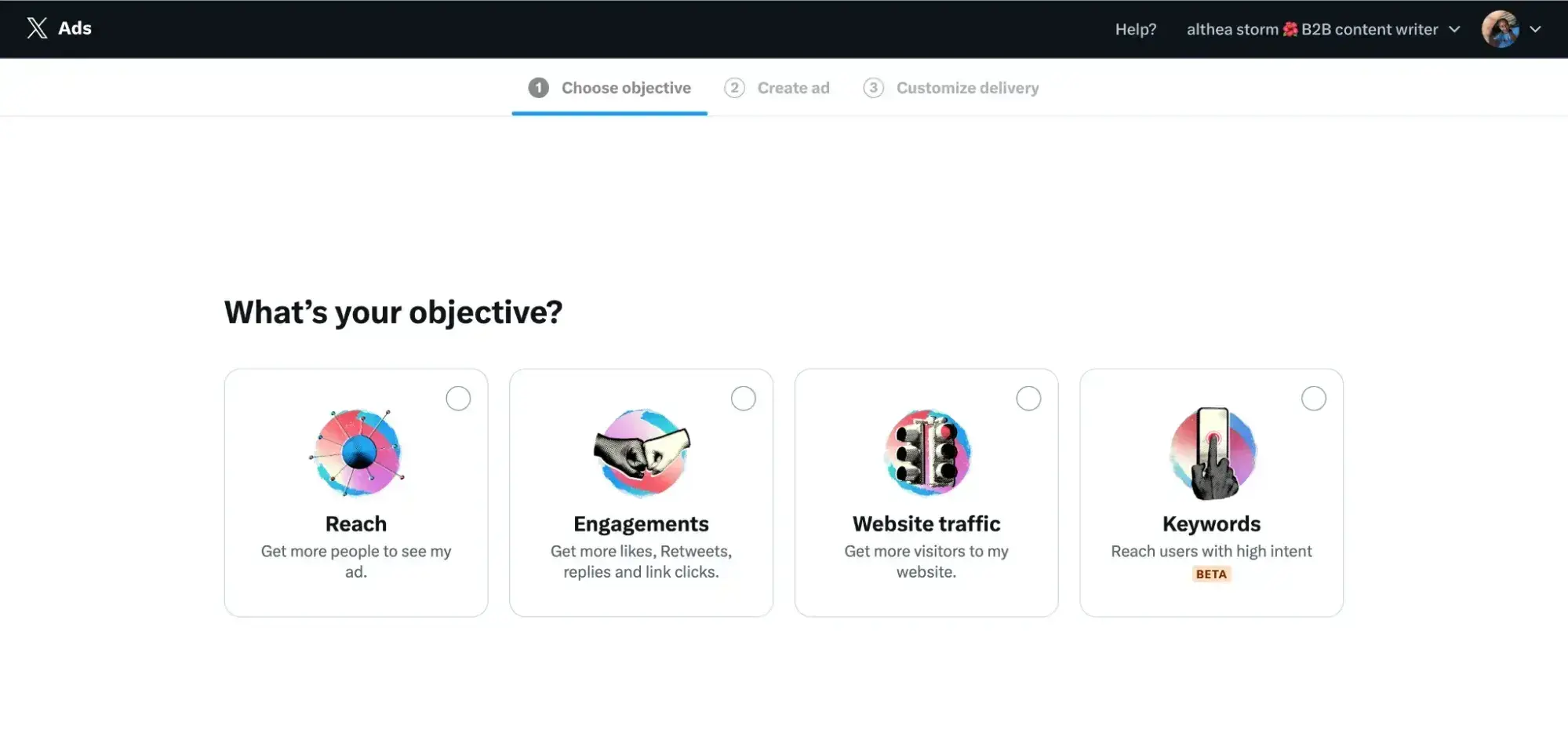
- Next, input ad text and visuals to create a promoted-only post. Customize the messaging on the tweet to clearly explain the benefit of submitting their information. X will then start the verification process for the ad.
- In the meantime, customize the delivery by specifying audience demographics (age, gender, location), targeting features (keywords, operating systems, interests, language), budget (daily budget and date range), and payment method (including tax information).
- Once X approves, the ad will go live and start reaching targeted audiences. As it runs, keep an eye on performance and make adjustments to targeting, creative elements, or bidding strategies if needed.
(Hint for HubSpot users: Teams can connect X Lead Gen Cards to HubSpot Forms. Learn how to do that here.)
Featured Resource: How to Use X for Business (+ Follower Tracking Template)
LinkedIn Lead Generation
LinkedIn has been increasing its stake in advertising since its early days. Regarding lead generation, LinkedIn created Lead Gen Forms, which auto-populate with a user’s profile data when they click a CTA, making it easy to capture information.
Here’s how to create a LinkedIn ad campaign:
- Navigate to linkedin.com/campaignmanager to log in to LinkedIn Ads. Or, set one up by specifying an account name and linking to an active LinkedIn Company Page, as this is required to run ads.
- Once logged in, select the campaign objective. This will likely be Lead Generation.
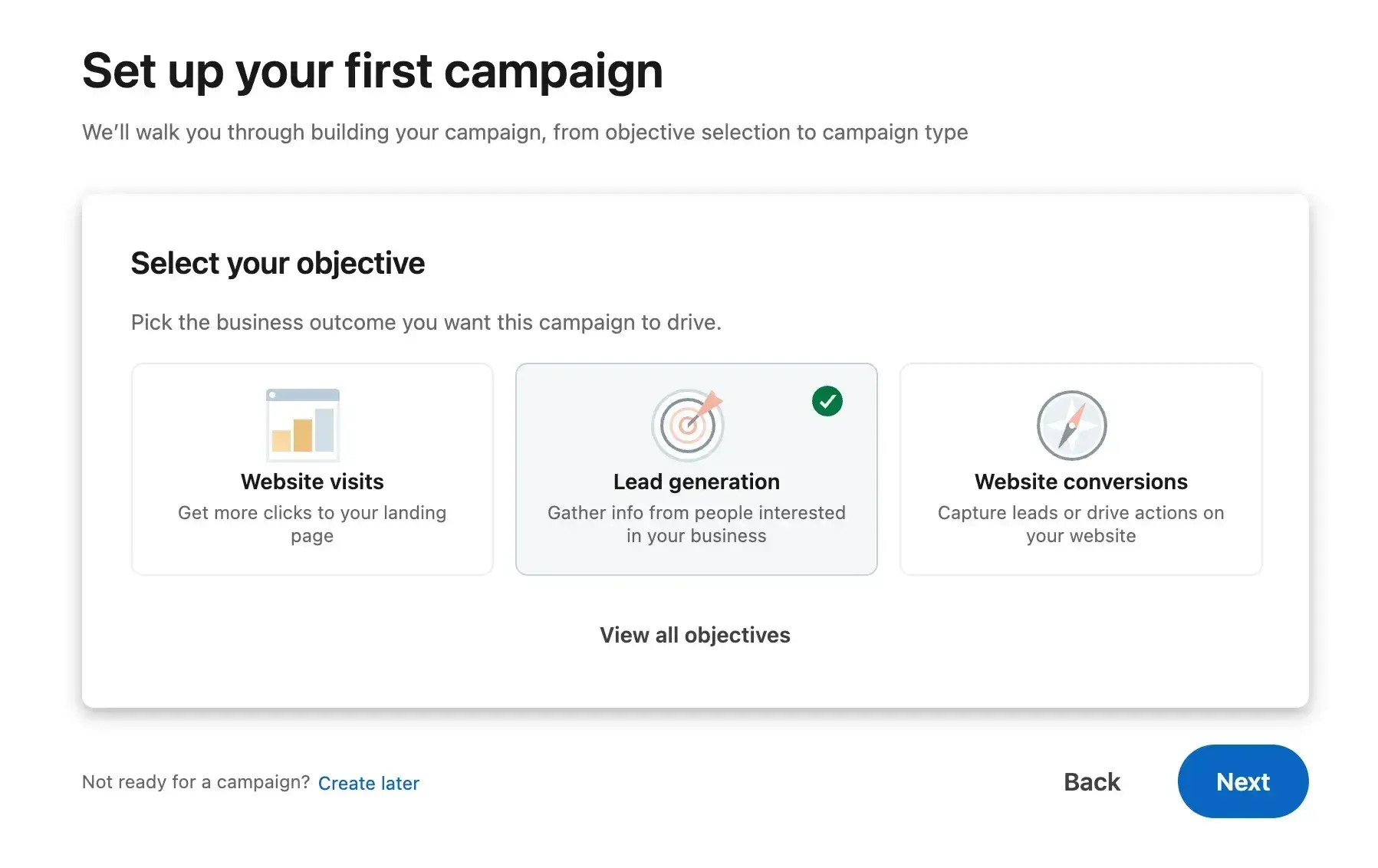
- Select the campaign type (Classic or Accelerated) and an ad format (usually a single image). Then, specify the product name and product URL (the landing page or form).
- Next, add the specifics: targeting settings, audience signals, ad details (introductory text, headline, visuals, CTA, form details, lead details, and custom questions), ad placements, budget and schedule, and payment details.
- Once satisfied with all settings, click “Launch Campaign.” Ads will enter a review process before going live.
- Use LinkedIn’s analytics dashboard to monitor key metrics such as impressions, click-through rate (CTR), conversions, and cost per lead. Observe which ads perform best and analyze why they’re driving higher engagement.
- Adjust targeting parameters, modify bids, or tweak ad copy and visuals based on performance data.
Get tips from our experience using LinkedIn ads.
PPC Lead Generation
When I say pay-per-click (PPC), I’m referring to ads on search engine result pages (SERPs). Google gets 8.5 billion searches a day, making it prime real estate for any ad campaign, especially lead gen.
The effectiveness of a PPC campaign relies heavily on a seamless user flow, as well as the budget, target keywords, and a few other factors.
To set up a PPC campaign on Google, here are the steps to take:
- First, sign in or create an account at ads.google.com. Complete any necessary billing information and account setup.
- From the dashboard, tap Create (the ‘+’ icon on the left side of the page) and tap Campaign.
- Choose the campaign objective (which is Leads ), select a campaign type (Search, Display, Demand Gen, Shopping, etc.), and select ways to reach a goal (website visits or store visits).
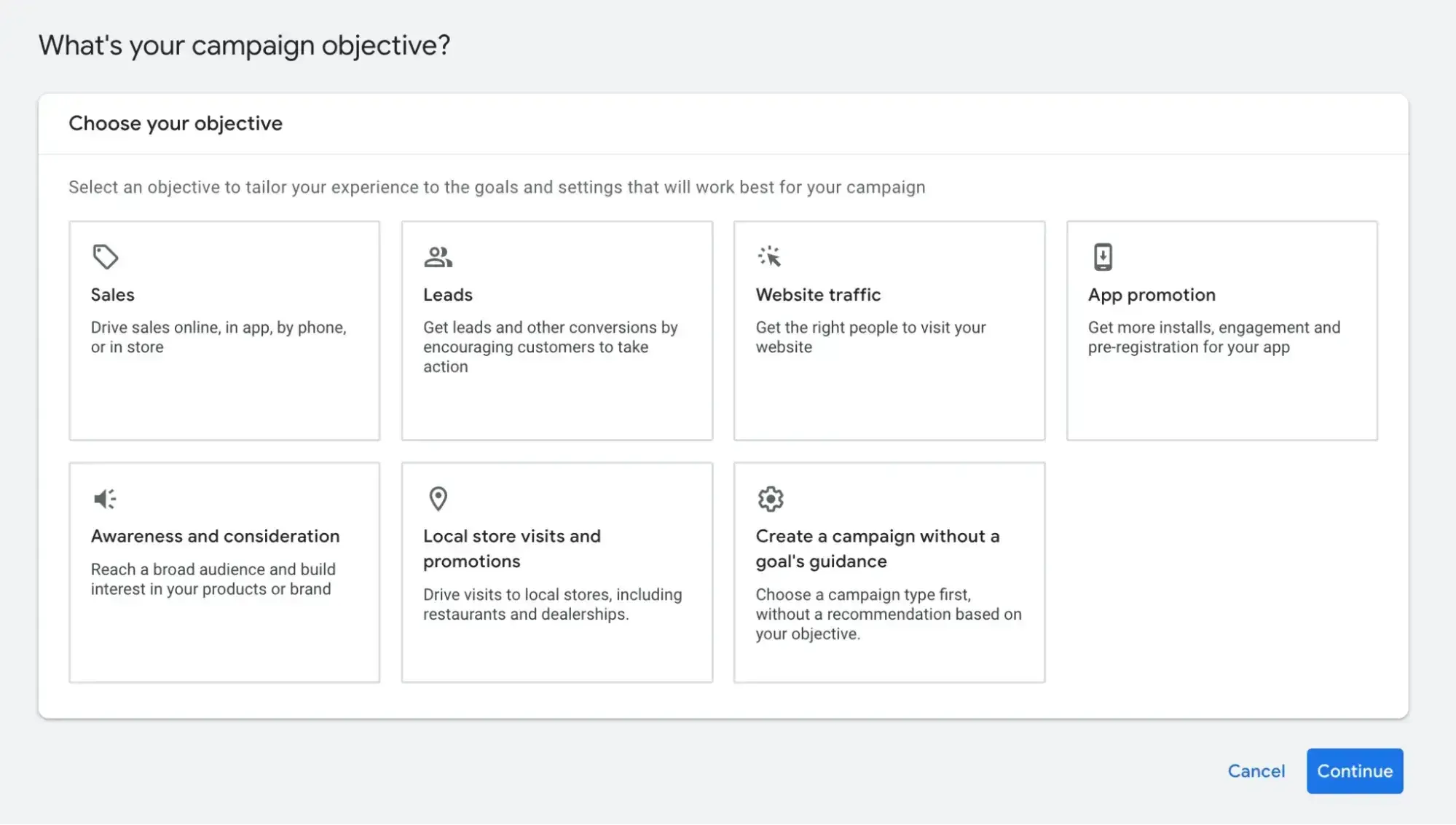
- Input the website or store URL, then choose the lead conversion goal. Teams can either let leads enter their information right through the ad or let them enter their information via a form on a website.
- Name the campaign and set a target cost per action.
- Next, specify the networks for ad distribution, the locations to target, the languages, audience segments, and broad match keywords. Also, check out Google’s headlines and keyword suggestions.
- Create a lead form to go with the ads and add other links to take prospects to certain parts of our website (About Us, Services, etc.).
- Double-check settings, keywords, ad copy, and tracking parameters. Then, launch the campaign and monitor performance using Google Ads and Google Analytics.
Pro tip: Use a mix of high-intent and long-tail keywords to capture a range of search queries.
Learn more about how to set up successful PPC ads.
B2B Lead Generation
For B2B companies, generating leads involves strategies that differ from B2C tactics due to the often longer sales cycle and complex decision-making processes. A multi-channel approach is critical here.
Here’s how to approach B2B lead generation:
- Understand the audience. B2B buyers are often decision-makers with complex considerations. Begin by researching the ideal customer profile (ICP) and developing detailed buyer personas that include industry roles, company size, challenges, and purchasing behavior. Understanding these factors lays the groundwork for targeted messaging and strategic outreach.
- Develop a comprehensive content strategy. Content is central to engaging B2B prospects, so create a mix of educational resources. These help brands provide valuable information and in-depth analysis while positioning the company as an industry thought leader.
- Leverage multi-channel approaches. B2B lead generation often requires using multiple channels to reach decision-makers effectively. So, combine effective channels like LinkedIn, email marketing, PPC, display advertising, and industry events (or webinars) to reach ideal customers.
- Implement Account-Based Marketing (ABM). ABM tailors lead generation efforts to specific high-value companies. So, identify target accounts and create personalized campaigns that speak directly to the needs and challenges of these organizations. This may include custom content, direct outreach through LinkedIn or email, and even one-on-one demos.
- Optimize the sales and marketing alignment. Seamless collaboration between the marketing and sales teams ensures that quality leads are efficiently nurtured throughout the sales funnel. By sharing insights and feedback, both teams can continuously refine targeting strategies, content messaging, and follow-up tactics to meet the needs of the buyer.
- Follow up and nurture relationships. The B2B buying cycle is often longer than B2C, which makes relationship-building essential. Once a lead is captured:
- Use email sequences to educate and engage the prospect over time.
- Sales teams should reach out with customized messages that address the specific needs of the prospect.
- Use remarketing tactics to re-engage visitors who have shown interest but haven’t converted yet.
- Measure, analyze, and optimize. Establish and monitor clear KPIs (Key Performance Indicators) such as cost per lead, conversion rates, and engagement levels. Try to identify what works and what doesn’t. If possible, A/B test different approaches.
Learn the B2B lead generation techniques for every channel.
Website Lead Generation
A website is often the first point of contact between a business and potential leads. Optimizing it for lead capture is key to turning visitors into prospects. Here are some tips for website lead gen optimization:
- Use clear headlines, engaging visuals, and persuasive copy that guides visitors toward the CTA.
- Keep forms concise — ask only for essential information to reduce abandonment rates.
- Ensure the website is fast, mobile-responsive, and easy to navigate.
- Employ pop-ups or slide-ins that offer incentives like discounts or downloadable content in exchange for contact details.
- Place CTAs strategically throughout the website, such as at the end of blog posts or in the header, to capture visitor interest promptly.
- A/B test different CTA designs and placements to identify what resonates best with the audience.
Co-Marketing Lead Generation
Co-marketing involves partnering with other businesses or industry influencers to jointly create and promote content. This collaborative effort allows both parties to tap into new audiences and share resources.
If teams choose to explore co-marketing, here are some tips:
- Choose partners whose audiences align with the target demographic but who are not direct competitors.
- Define clear roles, expectations, and benefits for both parties involved in the co-marketing initiative.
- Develop co-branded resources such as ebooks, webinars, or research reports that provide value to both audiences.
- Promote the content across all channels, including email, social media, and partner websites.
- Use each other’s mailing lists and social media platforms to extend reach.
- Organize co-hosted live events or Q&A sessions to engage directly with prospects from both companies.
An Introduction to Lead Generation
A starter guide to converting website visitors into leads for your business.
- Define and qualify a lead.
- Promote lead gen campaigns.
- Resources to get you started.
- Examples of great campaigns.
Download Free
All fields are required.
Lead Generation Best Practices
1. Follow the data.
When building a lead generation engine, start with the bevy of data the team already has. Begin by archiving which posts consistently rank well, bring in traffic, and have a clear connection to the product.
For instance, if a team notices that a blog post about how startups can implement guerrilla marketing consistently drives traffic, they can analyze its structure and topic focus to understand why visitors resonate with it.
Once marketers know what performs well, they can determine where to place CTAs.
“For these posts, ask yourself what the missing middle piece is between what someone is reading about and what you can offer them,” suggests AJ Beltis, a senior marketing manager focused on media conversion at HubSpot.
Beltis continues, “Perhaps it’s an actionable template, a more in-depth guide, or even a demo if the content is intended for those further along in the buying cycle.”
Remember, the CTA should not be a reach from the topic in the post. “Keep it straightforward and logical and the leads will come flowing in,” Beltis says.
Pro tip: Use analytics to set benchmarks for success and continuously adjust CTAs based on audience engagement.
2. Use the right lead generation tools.
The most successful marketing teams use a formal system to organize and store their leads. That’s where lead generation tools and lead generation software come into play.
How much do teams know about the people visiting the website? Do they know their names or their email addresses? How about which pages they visited, how they’re navigating around, and what they do before and after filling out a lead conversion form?
If markteres don’t know the answers to these questions, chances are they’re having difficulty connecting with the people visiting the site. These are questions teams should be able to answer with the right lead generation tools.
There are a few different tools and templates out there that’ll help create different lead gen assets:
- CTA Templates. Create clickable CTA buttons to use on blogs, landing pages, and elsewhere on the site.
- Lead Generation Software Tools. This free tool from HubSpot includes lead capture insights features, which will scrape any pre-existing forms and add those contacts to the existing contact database. Teams can also create pop-ups, hello bars, or slide-ins — called “lead flows ” — to help immediately turn visitors into leads.
- Visitor Tracking. Hotjar’s virtual heatmap tool creates a color-coded representation of how a user navigates a site. Marketers can then understand what users want and care about. For example, here’s a scroll map that shows that no one scrolls below the fold:

In this case, if the CTA to generate leads is situated below the fold, people don’t see it. By seeing this scroll map, the site owner will be able to take measures to fix it, whether by changing the content below the fold or moving the CTA higher.
- Live chat. Live chat and chatbots are excellent for establishing first contact with leads who are interested in a company. Marketers can also use them to capture contact details and send leads more in-depth information about products or services — or generate conversions right away.
- Form-Scraping Tool. A form-scraping tool that collects submissions on a website’s existing forms helps marketers consolidate all leads into one contact database.
- HubSpot customers can create and embed forms using HubSpot, which automatically populate into the CMS.
- Non-HubSpot customers can use a form creation tool like Contact Form 7, JetPack, or Google Forms, and then use HubSpot’s free collected forms feature to automatically capture form submissions and input them to a contact database.
3. Create offers for all different stages of the buying cycle.
Not all site visitors are ready to talk to the sales team or see a demo. Someone at the beginning of the buyer’s journey might be interested in an informational piece like an ebook or a guide. Make sure to create offers for each phase and CTAs for these offers throughout the site.
Yes, it takes time to create valuable content that nurtures leads down the funnel, but if teams don’t offer anything for visitors who aren’t ready to buy, they may never return to the website.
Here are 20 ideas for lead generation content to get you started.
The good news, sales software significantly speeds up the process. Teams can organize leads across various stages of the buyer’s journey, then quickly set up and deploy personalized email campaigns for each specific segment — all without having to rely on separate platforms.
To take personalization a step further, try using smart CTAs. Smart CTAs detect where a person is in the buyer’s journey, whether they’re a new visitor, a lead, or a customer, and display CTAs accordingly.
Personalized CTAs convert 202% better than basic ones.
Pro tip: From there, direct visitors to a dedicated landing page that focuses solely on the offer. To learn more about building and promoting high-converting landing pages, download our ebook on optimizing landing pages for conversions.
4. Get your sales team involved.
Remember when I talked about lead scoring? Well, it isn’t exactly doable without the sales team’s input. How will marketers know what qualifies a lead for sales without knowing if the defined SQLs are successfully sold?
Marketing and sales teams need to be aligned on the definitions and the process of moving a lead from MQL to SQL to opportunity before beginning to capture leads. A Customer Relationship Management (CRM) platform is an excellent way to close the gap between your marketers and salespeople.
Marketers can get the tools needed to handle lead generation campaigns and add new leads to the database, while sales teams can take it from there to qualify, contact, and turn these leads into customers — all from the same place.
In any case, having sales teams actively involved in lead generation is what’s most important here. Their job is to determine what leads have high-conversion potential and nurture these leads until they turn into potential customers.
For example, a car dealership’s billboard might be enough to draw you into the lot, but it probably won’t convince you to buy a car just yet — that’s where a good salesman comes in.
5. Use social media strategically.
While marketers typically think of social media as top-of-the-funnel marketing, it can still be a helpful and low-cost source for lead generation, as shared in the lead gen strategies above.
Start by adding links directly to the landing pages of high-performing offers within Facebook, X, LinkedIn, and other social media posts. Tell visitors that they’re going to a landing page to set expectations.
Teams can also do a lead generation analysis of their blog to determine which posts generate the most leads and then make a point of regularly linking social media posts to them.
Another way to generate leads from social media is to run a contest. Contests are fun and engaging for followers and can also teach teams a ton about the audience. It’s a win-win. Read our step-by-step guide for growing an email list using social media contests, which covers everything from choosing a platform to picking a winner.
6. Leverage your partnerships.
When it comes to lead generation, co-marketing can be powerful. If a team works with partner companies, they can create some mutually beneficial offers.
“On the Content Offers team at HubSpot, we run campaigns with partner companies that have a similar target audience and brand values to create and promote gated content like ebooks, reports, and templates,” says Jasmine Fleming, a marketing manager at HubSpot.
Fleming says both HubSpot and our partners generate leads with the offer, and that “co-marketing offers have the potential to generate significantly more leads than a content piece created by one company alone.”
Frequently Asked Questions About Lead Generation
What is the difference between lead generation and demand generation?
Lead generation focuses on capturing contact information from prospects who have already shown interest in an offering. The goal is to move them through the sales funnel. Demand generation is broader encompasses all marketing activities designed to create interest in a brand, even before prospects are ready to share their information.
How long does it take to see results from lead generation?
The timeline for lead generation results varies significantly based on the strategy and channels. Paid advertising campaigns can generate leads within days of launch, making them ideal for immediate pipeline needs. Content marketing and SEO-driven lead generation typically require 3-6 months before seeing substantial results.
What are the most effective lead generation channels?
The most effective lead generation channels depend on the target audience, industry, and business model. According to HubSpot’s 2025 State of Marketing Report, some top channels for conversion ROI include:
- Website/blog/SEO (23.21%).
- Social media shopping tools (22.74%).
- Email marketing (22.35%).
- Paid social media content (21.39%).
- Content marketing (20.81%).
How do I know if my leads are qualified?
Qualified leads meet specific criteria indicating they're likely to become customers, and qualification typically happens at two levels.
- Marketing Qualified Leads (MQLs) have engaged with content and match the ideal customer profile based on demographics and behavior.
- Sales Qualified Leads (SQLs) have been vetted by sales and demonstrate clear buying intent, budget, authority, need, and timeline.
To determine if leads are qualified, establish clear criteria in collaboration with the sales team, implement lead scoring that assigns points based on demographic fit and engagement leve. HubSpot's lead scoring features can help automate the qualification process.
Grow better with lead generation.
Now that you know more about how to generate leads for your business, I recommend you try HubSpot’s free lead generation tool. Use it to add simple conversion assets to your site and see what content prompts visitors to convert.
The basics I’ve gone over in this blog post are just the beginning. Keep creating great offers, CTAs, landing pages, and forms — and promote them in multi-channel environments.
Be in close touch with your sales team to make sure you’re handing off high-quality leads on a regular basis.
Last but not least, never stop testing. The more you test every step of your inbound lead generation process, the more you’ll improve lead quality and increase revenue.
Editor's note: This post was originally published in July 2013 and has been updated for comprehensiveness.
An Introduction to Lead Generation
A starter guide to converting website visitors into leads for your business.
- Define and qualify a lead.
- Promote lead gen campaigns.
- Resources to get you started.
- Examples of great campaigns.
Download Free
All fields are required.
Lead Generation
![What is a lead magnet? 20 lead magnet ideas and examples [+ step-by-step]](https://53.fs1.hubspotusercontent-na1.net/hubfs/53/lead%20magnet%20represented%20by%20a%20magnet.webp)




![Gated Content: What Marketers Need to Know [+ Examples]](https://53.fs1.hubspotusercontent-na1.net/hubfs/53/UNGated%20Content.png)

![What Is Demand Generation? Here’s How You Can Create Buzz for Your Offering [FAQs]](https://53.fs1.hubspotusercontent-na1.net/hubfs/53/demand-generation-1-20250321-225687.webp)

![Lead Generation Content: Top Types to Use [Data + Expert Tips]](https://53.fs1.hubspotusercontent-na1.net/hubfs/53/lead%20generation%20content.webp)