

According to the PR Global Market Report 2024, the public relations market will grow from $106.93 billion in 2023 to $114.1 billion in 2024, and is expected to reach $144.28 billion by 2028.
In this comprehensive guide, I’m going to share everything I’ve learned about public relations, plus some key insights I got from experts. I’ll also cover what a public relations strategy is and how to build one.
What is public relations?
Public relations (PR) is the practice of using media channels to promote your organization and cultivate a positive public perception. PR is also the process of managing your organization’s brand and communications — especially in times of crisis.
Here’s what I also discovered: PR is how brands manage the spread of their information, so it’s similar to branding. The main difference is that PR focuses on communication and reputation, while branding relies on visual elements like logos, websites, and marketing materials.
According to James Hacking, founder and chief playmaker of Socially Powerful, “Public relations is about shaping how people perceive your brand. It’s about media coverage that aims to build trust and credibility while ensuring your brand’s message resonates with the right audience.
“In a fast-paced digital world, PR is critical for maintaining a strong reputation and staying relevant amidst constant scrutiny.”
.png)
Free Press Release Template
A free guide and template to help you run your company's PR.
- Company Announcements
- Promotion Checklist
- Guide to PR Best Practices
Download Free
All fields are required.
Why is public relations important?
Public relations defines how a company communicates with people — customers, partners, journalists, philanthropists, politicians, and the general public. As far as I’m concerned, all businesses need public relations, regardless of their size or industry.
“I see PR as the ‘conscience’ of an organization,” says Gauri Manglik, CEO & co-founder of Instrumentl.
“It helps leaders make wise decisions that serve the interests of both the company and the community. PR keeps us tuned into what people are thinking and feeling. It's that critical outside perspective — the voice of the customer, if you will,” she continues.
In a global survey to find the most trusted sources of news and information in late 2023, 62% of adults said they trusted traditional media, while 68% said they trusted search engines. Interestingly, social media was the source considered to be the least trustworthy.
Public relations professionals are expert storytellers. They find strategies for how to get your story out in front of the people you want to see it, in media outlets that build trust.
Why? Because nowadays, customers want to trust the brands they do business with — and nothing builds and fosters trust like public relations.
Manglik confirms this, saying that “without thoughtful PR, organizations can easily lose touch and make missteps that damage their reputations. I‘ve learned this lesson the hard way more than once in my career. But when PR is done right, it builds tremendous goodwill and loyalty among stakeholders. That’s an invaluable asset in today's skeptical world.”
What is a PR strategy?
A PR strategy helps a business create, organize, and measure the effectiveness of its public relations tactics over time. It's separate from a marketing plan but should support marketing efforts.
One thing I noticed is that a public relations strategy may cover a full year of campaigns or address a single goal, like a product launch. Also, developing an authentic PR strategy requires a collaborative approach to communication.
Sharing a point of view about climate change, diversity, equity, and inclusion is no longer optional for brands. I also learned that internal and employee communications play a more important role.
In 2024, 70% of PR professionals brief their leadership on measurement and reporting once a month or more, while 44% plan to spend more time on internal communications.
And according to the 2024 Global Comms Report, 92% of communications leaders agree that the C-suite has sought comms’ counsel more in the past 12 months than in previous years.
I believe all these figures speak to the increasing importance of PR in business operations and brand perception. It can be easy to jump on one-time opportunities for media attention, but if you want to know how to do PR right, start with a public relations strategy.
Louis Meyer is the marketing and creative director at RX Communications, a boutique medical communications agency.
“In my years of experience in the field of public relations, I‘ve learned that the key to building a successful PR strategy lies in a combination of dos and don’ts,” says Meyer.
Those guidelines look like this:
- Do focus on establishing strong relationships with key stakeholders, including media outlets and influencers.
- Don't underestimate the power of transparency and authenticity. In today’s digital age, always communicate honestly and openly.
- Do stay agile and adaptable in your approach. The PR landscape is constantly evolving.
- Don't forget the importance of measurement and analytics.
How to Build a PR Strategy
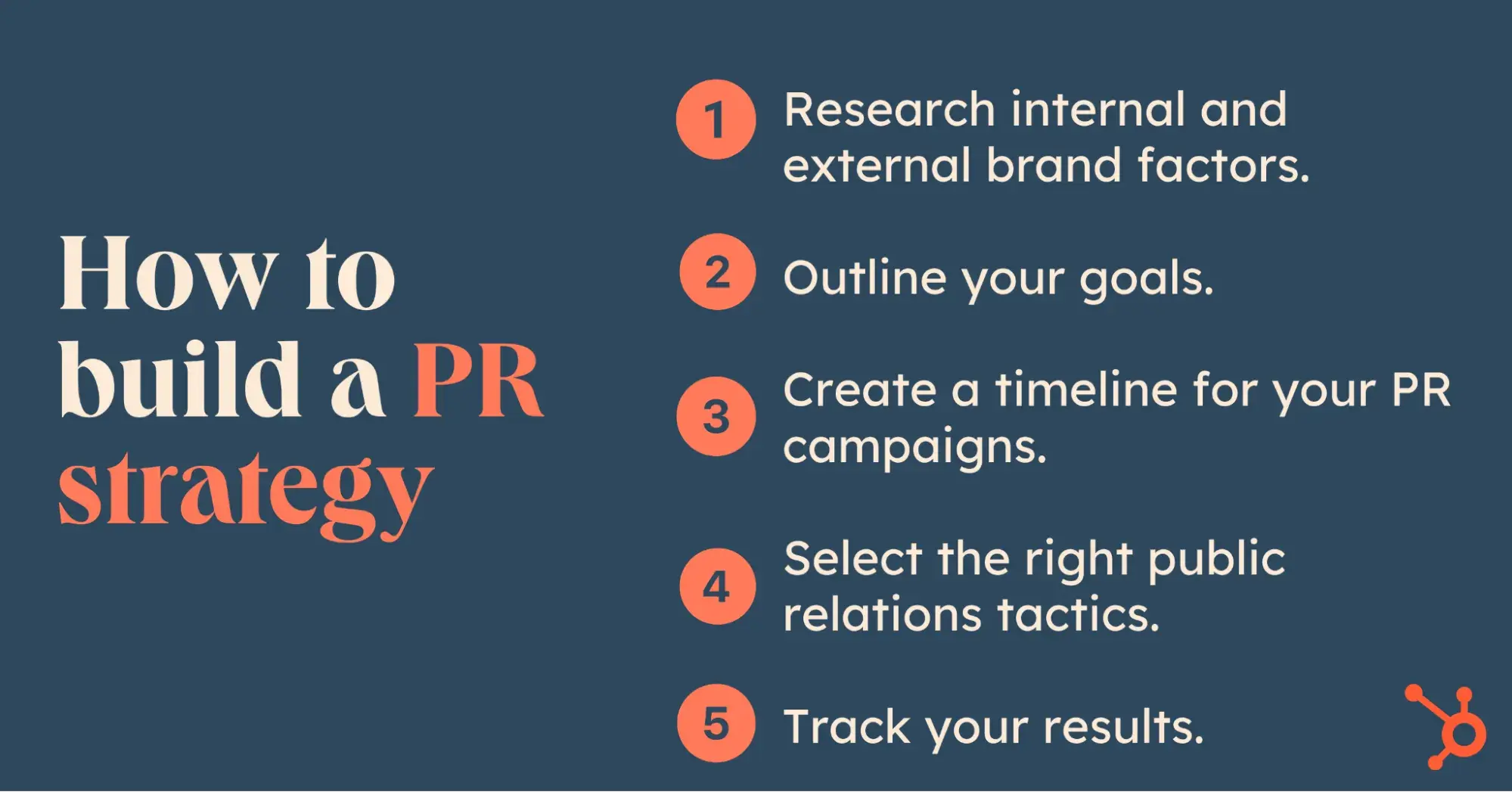
1. Research internal and external brand factors.
I’d recommend starting with what has gone well in the past for your business, and what efforts didn't work out. This could include:
- Tracking media mentions.
- Reviewing influencer relationships and results.
- Evaluating social media engagement and traffic KPIs.
- Review buyer personas and customer insights.
Next, I’d do some competitive analysis to figure out what is working best for other businesses in your industry. I learned that social listening tools can help speed up this process.
As you close out your research, list any internal or external factors that could have had an impact on your brand. These might include:
- Feature, product, or pricing changes
- Distribution shifts
- Stakeholders and leadership changes
- Employee sentiment
- Legal factors
- Political climate
- Economic shifts
- Trends
- Tech advances
2. Outline your goals.
It can be tempting to jump on tactics you notice during research, but first, I’d suggest you decide on goals. Whether you're addressing a local crisis or planning a year of public relations image-building, this step is critical.
Even a short outline of goals can steer you and your team toward the right tactics.
“A PR strategy is an integrated communication plan combining online and offline tactics to achieve specific goals,” says Edward White, head of growth at beehiiv.
“Online tactics might include influencer collaborations, while offline approaches might involve events or sponsorships. This dual approach ensures your PR efforts reach audiences wherever they are. A strong strategy ties all actions back to measurable objectives, ensuring alignment with your business goals.”
Here are a few things I discovered that every PR plan should include.
- First, decide who your target audience is for each campaign.
- Next, choose the key messages you want to communicate to that audience.
- Finally, don't forget to include the metrics you plan to track. Analytics tracking should be part of the campaign set-up, not something you add on after a campaign launches.
Pro tip: Forming a strong foundation for your public relations will better enable your success than one-off efforts. I’d also recommend trying to make each goal a SMART goal. This PR plan template can help you make sure that your strategy covers your key messaging and other goals.
3. Create a timeline for your PR campaigns.
Public relations success relies on the right message at the right time. So, create a clear calendar for both short and long-term initiatives.
Be sure to note public holidays and important industry dates. For example, the end of November is an important time of year for most ecommerce businesses.
4. Select the right public relations tactics.
Once you know when and why, it's time to nail down which tactics will be the best to deliver on your strategy. Later on in this post, I’ll cover some common PR strategies and tactics. It might also help to look at some PR examples for inspiration.
5. Track your results.
Once you decide on tactics, next I want you to focus on how you will measure outcomes. Public relations isn't an exact science, and measuring perception can be tricky.
Whenever possible, align your PR metrics with business goals. This can help you draw a clear connection between public relations efforts and ROI.
Here’s what Mushfiq Sarker, CEO of LaGrande Marketing says:
“A big no-no in a PR strategy is disregarding analytics. Ignoring data removes any clarity on what’s effective and what might need improvement. Analytics provide important information about the performance of your efforts, showing where resources should be focused. Metrics such as engagement rates, website traffic, and click-through rates will tell you what resonates most with your audience.”
Sarker also points out that “using this information allows you to make adjustments, optimize your efforts, and maximize the impact of your campaigns. Without analytics, you risk wasting time and resources on strategies that don’t deliver results.”
An important note: A public relations manager often guides strategy around earned media, but they can be more effective with a multichannel strategy, connecting the right topic to the right audience.
Brands manage their PR — or communication and reputation — through various media channels. A great public relations strategy usually includes three types of media.
Free Press Release Template
A free guide and template to help you run your company's PR.
- Company Announcements
- Promotion Checklist
- Guide to PR Best Practices
Download Free
All fields are required.
Media: Owned vs. Paid vs. Earned
The types of public relations, which I’ll review shortly, fall into three main categories: owned, paid, and earned media.
Each type works towards the same goal of building a positive brand reputation, but they use different strategies to get there.
I’d suggest your PR strategies include all three, as they all provide different ways of reaching, engaging, and building trust with your audience.
Owned Media
Owned media is any content that your business controls. It’s often the go-to strategy for businesses looking to build a PR campaign.
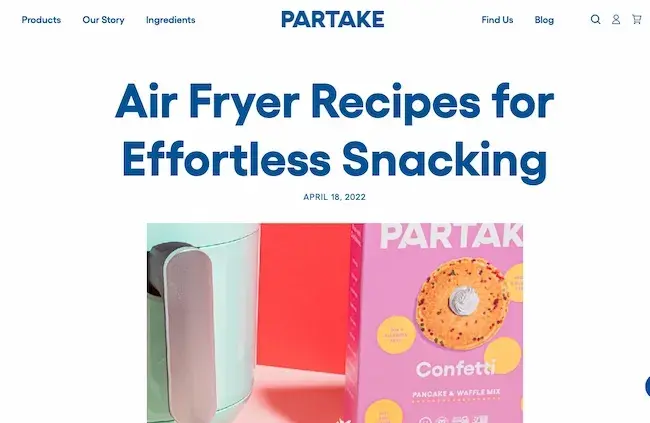
Rightly so, as it’s arguably the most important type of PR-related media that you should be focusing on. This is because you have total control — unlike the other two media tactics.
Owned media includes:
- Social media posts
- Blog content
- Website copy
- Email newsletters
Owned media acts as a “home base” for your PR activity. When people write about your brand or products, they’ll likely reference (i.e., link to) your owned media in their coverage.
Paid Media
It’s not uncommon to pay to promote your content in the marketing world, and it’s no different when it comes to PR.

Paid media refers to paying to make your content visible. It’s standard practice to promote owned media.
Paid media includes:
- Social media advertising
- Influencer marketing
- Pay-per-click (PPC)
Putting some funds toward boosting PR content is becoming increasingly popular.
Since the majority of social platforms are reducing organic reach for business accounts, paid media is a fantastic way to make sure your content gets in front of the people you want to see it.
Earned Media
Earned media is the tactic used to boost conversation around your brand. I found out that it’s essentially word-of-mouth and is arguably the best PR tactic to build your reputation.
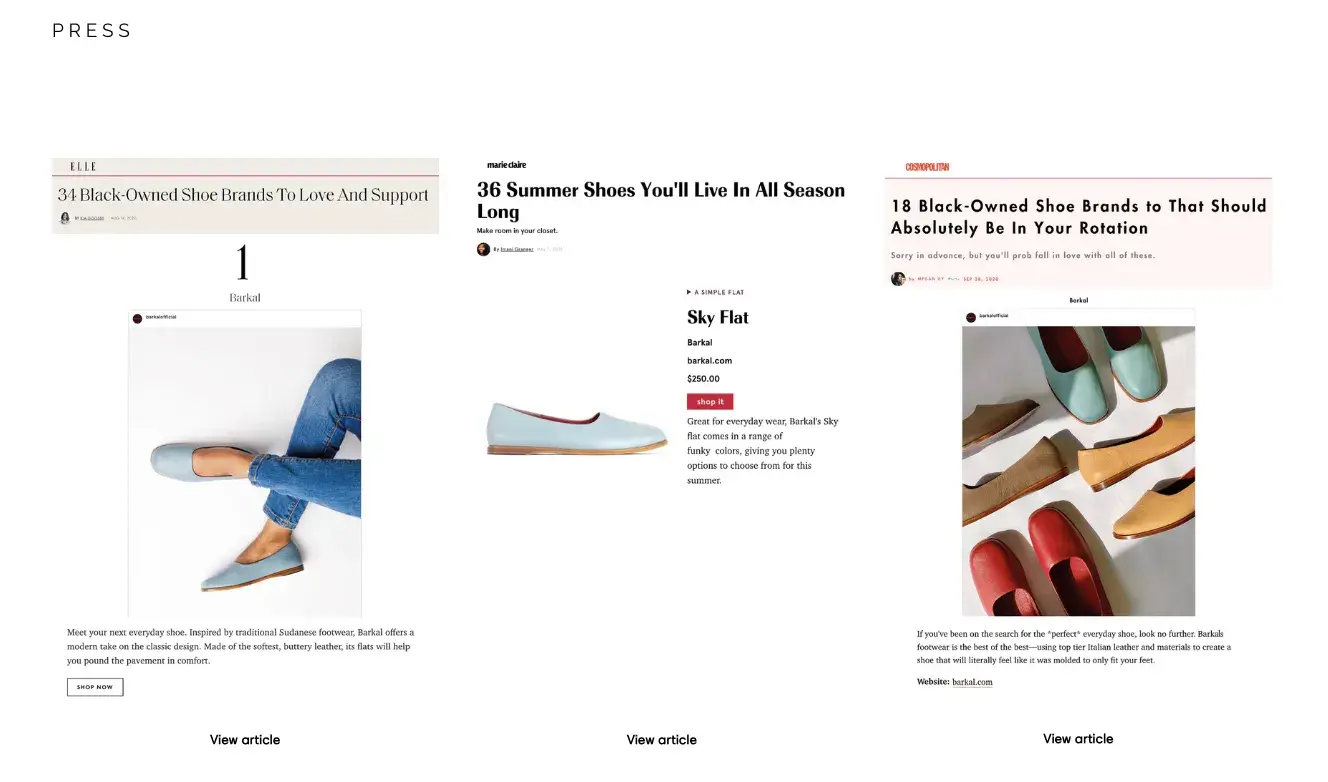
Earned media is the hardest type of PR media to obtain. It takes a lot of effort, consistency, and hard work to establish it — that’s why it’s “earned.”
Earned media includes:
- Mentions in industry news and reviews
- Praise from customers on social media
- High rankings on search engines
All of these media avenues provide ways to use PR to build brand awareness, generate leads, and convert those leads into paying customers — similar to your marketing.
Next, I’m going to discuss the difference.
Public Relations vs. Marketing
Public relations and marketing are similar in their actions and tactics, but their goals are quite different. The main goal of PR is to boost the reputation of your brand. On the other hand, the main goal of marketing is to drive sales.
Unlike marketing, PR doesn’t always have an impact on sales. It typically indirectly promotes your products or services through activities like press release distribution and speaking at industry events.
Alternatively, instead of improving the perception of your business, marketing campaigns focus on driving revenue and boosting profits.
“If a marketing strategy deals with the introduction and sales of goods in the market, then the public relations strategy oversees the company's overall image, protects and builds its credibility, and helps to develop the brand long-term,” explains Brandon Schroth, founder of Reporter Outreach, a digital PR agency.
I also learned that people don’t buy products, they buy brands.
For this reason, using PR and marketing in tandem drives the best results: typically, someone connects with your brand as a result of your PR efforts and converts into a customer as a result of your marketing tactics.
Next, I’m going to discuss the types of PR you can use as you promote your organization and build and manage your reputation.

PR Strategies and Tactics
- Business Events
- Community Relations
- Corporate and Social Responsibility
- Crisis Management
- Cyber Threat Intelligence
- Employee Relations
- Influencer Relations
- Media Relations
- Social Media Marketing
1. Business Events
Business events are opportunities to market your products or services and gain exposure for your brand.
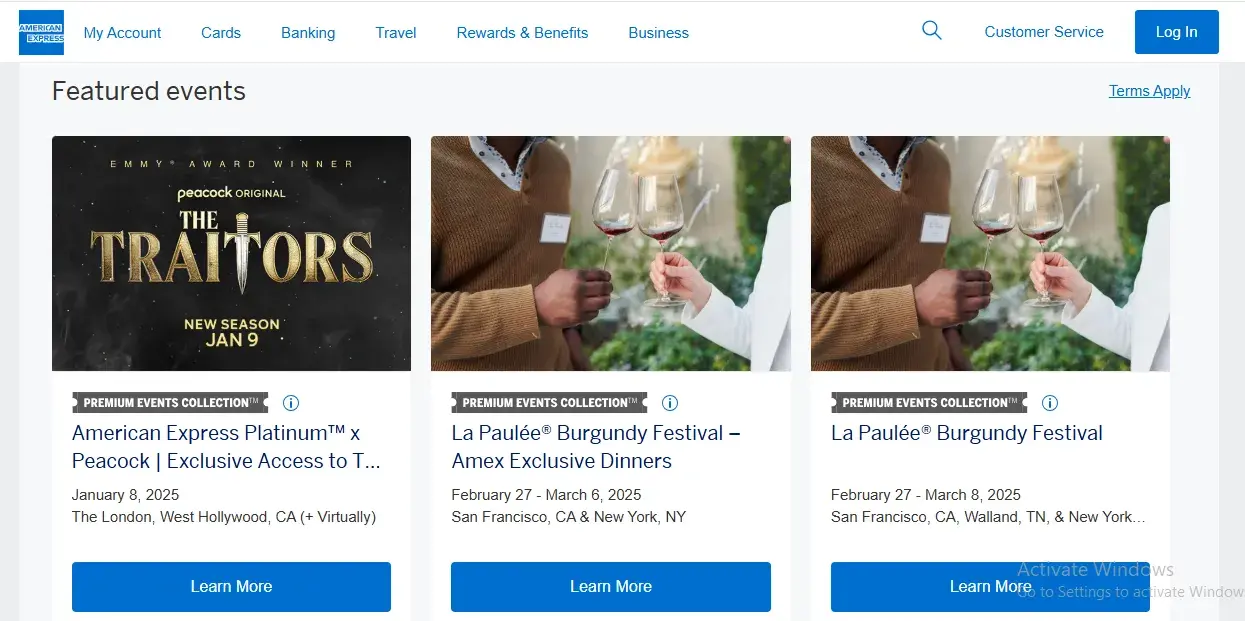
Whether hosted or attended by your company, I love that events are also important sales opportunities. Events give you a chance to meet prospective customers and delight current ones face-to-face.
Speaking engagements at events are also helpful for boosting brand awareness and sharing unique thought leadership or data-driven information that can help elevate your brand.
2. Community Relations
Community relations refers to building positive relationships with the local community around your business.
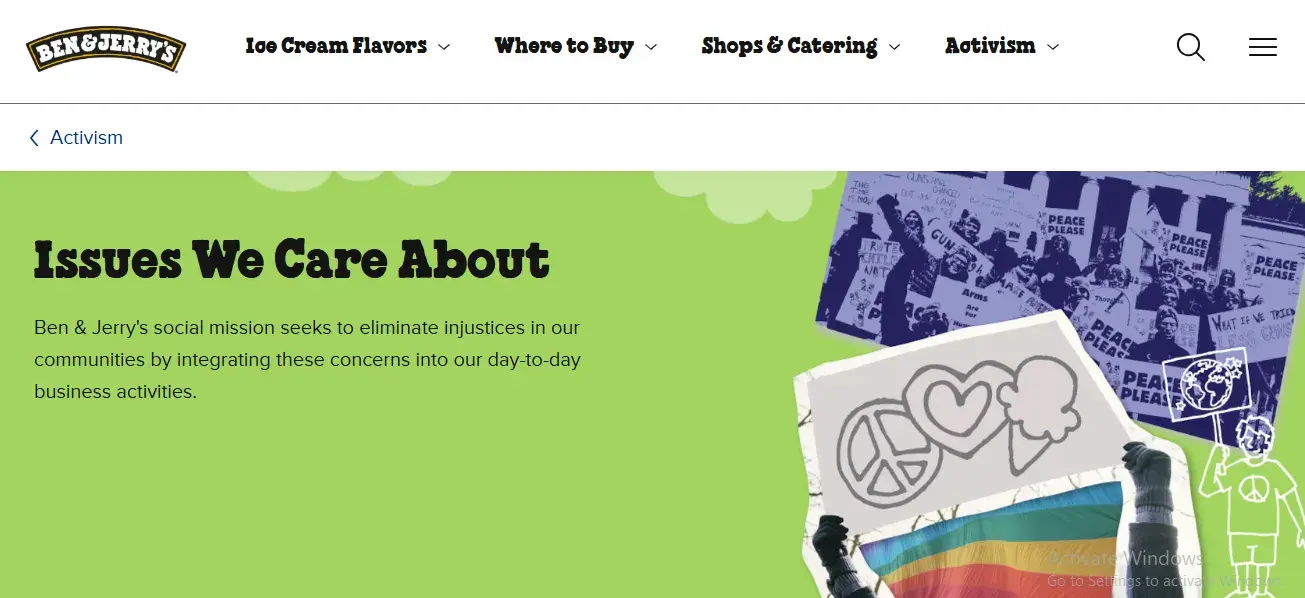
This could include charity work, donations, special discounts, or anything that builds a strong relationship with the community and strengthens customer loyalty.
3. Corporate and Social Responsibility
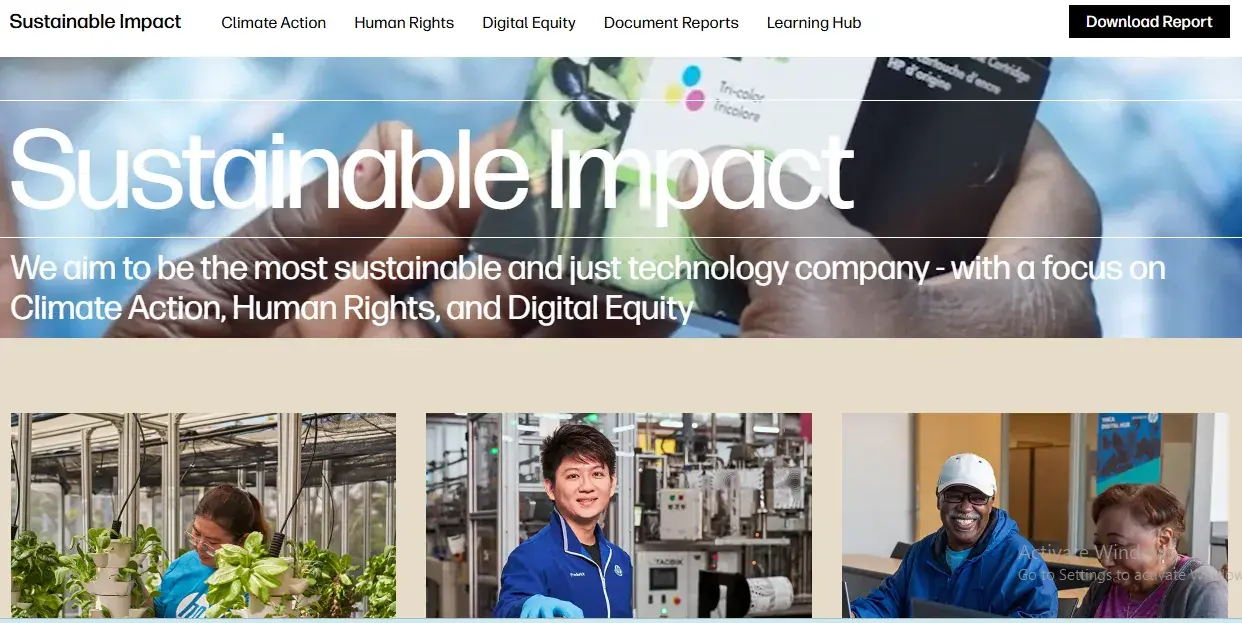
Corporate and social responsibility is similar to community relations, but I found out that it places a greater emphasis on ethical business practices, environmental responsibility, and philanthropy — locally, regionally, and globally.
This is a critical area of PR as it directly affects the public perception of your brand.
4. Crisis Management

Crisis management is the practice of acknowledging, managing, and working to reverse negative communication and perception surrounding a business crisis. PR usually handles anything that could jeopardize or ruin your brand’s reputation.
Crisis management is an important function of PR and should be handled quickly, consistently, and strategically. With certain PR tools, you can avert crises by monitoring online chatter and quality-checking any marketing or promotional material that may be misunderstood or misconstrued.
Free resource: Manage, plan for, and communicate during your corporate crises with this free crisis management communication kit.
5. Cyber Threat Intelligence
In 2023, only 46% of U.S. businesses have an active plan for threat intelligence. But cyber security is in the top five global risks in the World Economic Forum's 2024 Risk Report.
Besides the financial challenges that cyberattacks create, I also discovered that there is a perception challenge. This can be devastating to a brand's reputation if it’s not handled skillfully.
These issues will call on PR’s crisis management expertise. It's also a good idea to build relationships with tech experts and thought leaders in the industry. This can give you the expertise you need to limit the reputation impact of these increasingly frequent attacks.
Free Press Release Template
A free guide and template to help you run your company's PR.
- Company Announcements
- Promotion Checklist
- Guide to PR Best Practices
Download Free
All fields are required.
6. Employee Relations
Employee relations, also known as internal PR, is the practice of communicating with and cultivating a positive employee perception of your company.
This process may include dedicated employee newsletters or communications, employee perks and benefits, free training and skill-boosting opportunities, employee appreciation events, and working with unions or employee groups.
I found out that employee relations not only keeps your employees motivated, hard-working, and loyal, but also encourages them to advocate for your business — which can bring in both customers and more high-quality employees.
7. Influencer relations
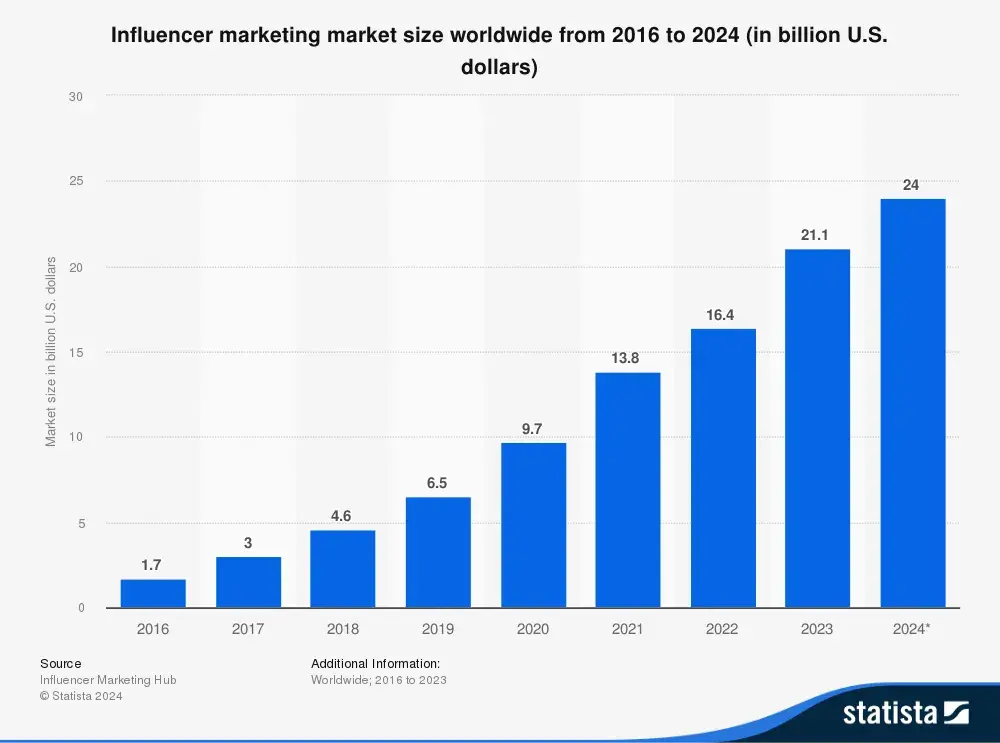
Another thing I discovered is that influencers play a powerful role in PR and marketing. According to Statista, the influencer market was worth 21.1 billion in 2023, more than triple its value in 2019. And is estimated to reach a record 24 billion in 2024.
I also noticed that in many businesses, the public relations team also manages influencer relationships. But sometimes marketing, social media, and PR teams share these responsibilities. It will take hard work and experience to creatively collaborate with each influencer to make sure your brand gets the results it wants from its authority.
Side quest: Check out this post to learn of the top channels for influencer marketing in 2024.
8. Media Relations
Media relations refers to building positive relationships with journalists, publications, and other news outlets.

This process typically includes writing press releases, organizing press releases, and scheduling interviews. Not only does this gain exposure for your business and products, but it also encourages the media to market your brand for free.
Free resource: Download our free inbound press release kit to access step-by-step templates to build press releases and a promotion plan.
9. Social Media Marketing
Social media can be both an earned and paid PR tactic.

For most companies, social media can be a helpful PR (and marketing) tool. It’s an effective way to amass followers, convert customers, share your content, and resolve crises.
Whether you’re sharing a post with your audience or interacting with a single customer, your social media activity is open to the public.
That’s why it’s critical to have a social media strategy that keeps your communications consistent, positive, and accurate.
Next, I’m going to talk about the person who’s responsible for these different types of PR: your public relations manager.
What does a public relations manager do?
PR managers are responsible for building, executing, and monitoring your PR strategies and tactics. They typically handle crisis communications, write press releases, and lead a team of other PR professionals who manage your brand’s public presence.
I also learned that you can hire a public relations manager to handle PR for your business, or work with a PR Agency.
At this point, I’d like to highlight the skills and tasks your public relations manager will know inside out.
PR Manager Skills
Successful public relations managers have a particular set of skills. Besides being flexible and open to change, here are some of the most important skills that I discovered.
Great Communication
One primary focus of public relations is building your business’s reputation. To do this, public relations managers spend a lot of their time building and sustaining relationships.
Besides speaking about your company at public functions, press conferences, and other events, your public relations team is also connecting with reporters, influencers, and other stakeholders.
For this reason, excellent communication is a key skill for PR managers.
Writing Skills
Public relations managers should also be able to communicate well in written form.
Since PR managers are responsible for writing press releases and company-related news, strong writing skills will help convey the right message to promote your company. This is especially useful for online PR where you’ll need to create blog posts, website content, and press releases to gain coverage.
Creativity
Like marketing, creativity goes a long way in the public relations world. Great PR managers are creative and know how to create a strategy that stands out from the crowd, which is important because a unique story or perspective will drive PR coverage.
Strong Research Skills
Public relations is a social industry, and people might be talking about your brand without directly mentioning it. Good research skills will help public relations managers find and use these opportunities.
A public relations manager must stay up on trends and digital marketing updates. PR professionals can't operate in a bubble and must stay aware of search and social media changes for their strategies to succeed.
They offer expert knowledge and a fresh perspective to maintain a presence in competitive media outlets.
Manglik points out that, “A PR plan is a living document that must adapt as circumstances evolve. I constantly monitor outcomes to determine what‘s working and what’s not, and adjust approaches accordingly.
My role is to leverage communications in a way that builds brand equity, garners support, and advances organizational success. An agile, insight-driven strategy is crucial to making that happen."
Public relations managers will also need to do research when planning a PR strategy. Because they might need additional information, statistics, and data points to boost the power of their owned media, strong research skills are essential.
PR Manager Tasks
The day-to-day tasks of your PR manager can vary depending on your industry, active PR campaigns, PR team size, and other factors. However, here’s what I learned they often include:
- Writing press releases to announce company-related news.
- Creating fact sheets and media kits about the company to send to media teams for brand-building.
- Giving media training to both in-house and external teams.
- Attending and speaking at industry events and representing the brand at trade shows, recruiting events, etc.
- Finding and analyzing media coverage and promoting that content through owned and paid media channels.
Public relations managers are also responsible for tracking and measuring their PR efforts. The following key performance indicators (KPIs) can help your public relations manager analyze and improve your PR strategies.
PR Measurement: 10 Public Relations KPIs to Track
- Media Coverage and Brand Mentions
- Share of Voice
- Pitch Interactions
- Sentiment
- Social Media Engagement
- Social Shares
- Site Traffic
- SEO Metrics
- Conversions
- Advertising Value Equivalent (AVE)
Clear measurable goals are the only way to ensure that your PR strategy is effective. In a business world that is increasingly focused on data-driven outcomes, I found out that the KPIs you track can make or break your public relations programming.
Most PR metrics gauge perception, so it can be difficult to connect company wins directly to public relations campaigns. For this reason, you should select a range of KPIs that align directly with your business goals.
For example, let’s say your business wants to improve brand awareness. KPIs like increased share of voice, and website traffic, alongside recent brand mentions, can show a more direct connection between PR efforts and business goals.
Next, I’m going to discuss KPIs that will help you track your PR efforts and determine the effectiveness of your PR strategy.
Free Press Release Template
A free guide and template to help you run your company's PR.
- Company Announcements
- Promotion Checklist
- Guide to PR Best Practices
Download Free
All fields are required.
1. Media Coverage and Brand Mentions
Brand mentions occur when someone mentions your brand. Media coverage tracks the number of earned media stories that went live. These metrics are important because they help you measure awareness of your brand and its stories.
You might see brand mentions in traditional news coverage, on other business or personal blogs, in reviews, or on social media.
Some media outlets may tag or hyperlink their sources. Others may not link back to your brand or website, which means you have to go looking for them. Check out the PR tools section below for some helpful software tools.
Note: It’s important to read brand mentions and media coverage for context. Remember, you want people to be saying good things about your brand, and it’s not always easy to understand the value of coverage until you read the entire piece.
2. Share of Voice
This is an essential KPI for PR. Share of voice measures competitive brand awareness. This metric helps your business understand the scale of customers in your industry and where your brand fits within it.
It also tracks your brand reputation.
3. Pitch Interactions
Pitches are another important metric for PR. It can sometimes take longer than expected for a piece to go live. So, track the number of pitches you send and reply to. You'll also want to track how many email opens and clicks you get from a pitch.
These PR metrics can help you create a funnel for earned media mentions.
This can help you better understand which efforts are pulling in the most value, as well as the best ways to scale your strategy.
4. Sentiment
Sentiment, which is a synonym for viewpoint or opinion, measures the attitudes in brand mentions. While brand mentions and backlinks typically improve your brand awareness and SEO, sentiment is what sets apart the positive mentions from the negative ones.
You’ve probably heard the saying, “There’s no such thing as bad publicity.” Whether you agree or disagree, it is good practice to be aware of negative press.
Here’s what Sarker says about this: “What I always make sure to do in my PR strategy is monitor public perception. This involves consistently tracking how our audience feels about our brand and reviewing media coverage to identify any shifts in sentiment. Public perception can change rapidly, and understanding those changes allows us to adapt before small concerns escalate into larger issues.”
There are a lot of great tools that can help you do this, which I’ll go into below. Sarker, in particular, points out how “Google Alerts and social media listening platforms help in identifying mentions of our brand and services, providing real-time insights into how we’re being perceived.”
Tracking sentiment can help you understand what your audience is saying about your brand and whether or not you need to address any problems or concerns.
5. Social Media Engagement
Social media engagement encompasses a few types of activity: views, impressions, likes, shares, and comments.
This information shows the level of brand awareness and engagement among your audience members. It also tells you when your audience is most active, i.e., when you should be posting and interacting with your followers.
6. Social Shares
I also learned that social shares are different from social media engagement. Social shares refer to when your audience shares something from your website or blog on their social media.
This is a critical metric because it tells you that your audience enjoys your content enough to vouch for it on their social channels. It’s a very clear measure of your brand reputation among your audience.
When looking at social shares, pay attention to what types of content people share most frequently. This will give you an idea of what your audience enjoys the most and what kind of content to create more of.
7. Site Traffic
Site traffic is a sign of successful PR efforts. If people are hearing about your brand through earned media and heading to your site, your PR efforts are reaching your audience.
As you run PR campaigns, track your site traffic once press releases and other efforts go live. I’d recommend you use your site analytics to check your visitors’ referral sources (how they made their way to your website) and aim to replicate this in the future.
8. SEO Metrics
There are a few SEO metrics that can also help you with PR measurement.
Domain Authority
Domain authority refers to your website’s SEO ranking and how it performs in search results.
It’s ranked from 1 to 100 (with 100 being the highest) and is a valuable measure of how your website compares to your competitors. The higher your domain authority is, the better your website will rank in search results.
Domain authority is made up of three main factors:
- Links to your site (backlinks)
- Links from your site to other well-ranked websites
- The age of your site.
While you can’t magically make your website older, you can use PR to attract backlinks and place links in your content.
Check it out: Moz offers a free tool to check your domain authority, page rank, and other important website measures.
Backlinks
Backlinks help you find brand mentions. With backlinks, sites that have mentioned your brand have linked to your website, making it easy for readers to click through and visit your website.
And it’s not just new traffic you’ll benefit from when collecting backlinks — you could see a rise in your SEO rankings, too.
9. Conversions
While the volume of new customers coming directly from your PR activity isn’t easy to measure, it’s definitely worth investigating.
You can discover where your customers came from by either surveying customers after they purchase and asking how they heard of you, or by using a tool like Google Analytics to learn about your customers’ conversion paths (aka their route to purchase).
Note: While this is an exciting metric to track, don’t feel disheartened if you don’t see an influx of conversion-ready site traffic. Remember, the goal of public relations is to raise brand awareness, spread the ideas of your internal thought leaders, and communicate the ideas of your brand. Those new site visitors could always return and make a purchase in the future now that they know about your brand because of your PR.
10. Advertising Value Equivalent (AVE)
AVE equals what it would cost to buy the space for an earned media placement if it was an ad.
At one point this was the only KPI for public relations, but many industry professionals feel that this is an outdated KPI and an inaccurate way to measure PR. Depending on your business, it’s okay if you still want to track this KPI.
Next, I’m going to review a handful of PR SaaS tools that can help you implement your PR strategies and track these KPIs.
Free Press Release Template
A free guide and template to help you run your company's PR.
- Company Announcements
- Promotion Checklist
- Guide to PR Best Practices
Download Free
All fields are required.
Public Relations Tools
To help you hit the ground running, I’ve rounded up a handful of PR tools that you can use to execute your public relations campaigns and measure your impact and performance.
1. Brand24
Brand24 helps you monitor online mentions about your brand, product, or service, and measure the results of your PR campaigns. Slack integrations and a notifications system will help you react in time to prevent a PR crisis.
2. Agility PR Solutions
Agility PR Solutions is an all-in-one integrated PR solution that combines a global media database, media monitoring, social listening, and newswire service into one platform. It helps you find relevant journalists, send targeted press releases, and track coverage across online, print, broadcast, and social media—all in one place.
3. Anewstip
Anewstip is a media search, monitoring, and relationship management tool. You can use it to search media mentions by keyword or handle, reach out to journalists and influencers all over the world, and create a media database of important PR campaign contacts. It offers both paid and free plan options.

4. CoverageBook
CoverageBook is a paid tool that helps you find and collect any coverage of your PR content. It’s a great tool for PR agencies who are building coverage reports for their clients.
5. Meltwater
Meltwater is a paid PR and social media monitoring tool with lots of features, such as real-time tracking, advanced Boolean search queries, unified inbox and much more. It’s ideal for businesses of all types and sizes.
6. Flaunter
Flaunter is a digital press center and showroom that provides a platform for brands to showcase their digital assets, products and sample collections. With 24/7 access for media, influencers, bloggers and stylists, Flaunter makes it easier for brands to gain exposure, editorial coverage and brand awareness.
By streamlining PR efforts, Flaunter helps brands to grow their audience, attract new customers and ultimately expand their business.
7. Google Alerts
Google Alerts is an easy-to-use, free tool that allows you to set up email alerts for certain keyword mentions. When a name, keyword, or link is mentioned online, Google sends you a digest email alerting you of the mention.

8. Mention
Mention helps you track who’s mentioned your brand in media and on social media. You can also use this tool to publish on your social media and manage crisis communications. It offers both free and paid plan options.
9. Monitor Backlinks
Monitor Backlinks is a free tool that helps you track who’s mentioned your brand in coverage and added a backlink to your site. It’s also valuable for monitoring and disavowing bad backlinks and keeping your website’s SEO and domain authority at their peak.
10. Muck Rack
Muck Rack is a paid tool that allows you to discover and contact members of the media who might want to cover your PR story.
11. PR Fire
PR Fire is a paid tool that helps you distribute your press release to journalists and receive a report of their performance and reach. It’s ideal for in-house teams who are doing their own PR.
12. SharedCount
SharedCount shows you engagement data for any social media, blog, or website URL. Once you input a URL, the tool will tally its likes, shares, comments, and other engagement measures. It offers both free and paid plan options.
Looking for more? These are just a few useful PR tools that I found. If you don’t see what you’re looking for here, here are more great PR tools to consider.
Start Building Your Public Relations Strategy
Whether you want to increase brand awareness, launch a new product, or build trust, I highly recommend you start by building a public relations strategy.
With all the tactics, tools, and expert tips I’ve shared above, you can hit the ground running and create a brand-new PR strategy or improve your current one.
As you dig in, remember that public relations is an ongoing, iterative strategy — not a one-off task. And, like marketing, it can take a while to see results. But with a solid strategy and a commitment to spreading the word about your company, you’ll soon see more mentions, backlinks, and general buzz.
Editor's note: This post was originally published in August 2019 and has been updated for comprehensiveness.
Free Press Release Template
A free guide and template to help you run your company's PR.
- Company Announcements
- Promotion Checklist
- Guide to PR Best Practices
Download Free
All fields are required.
Public Relations
![How to write an effective communication plan [+ templates]](https://53.fs1.hubspotusercontent-na1.net/hubfs/53/communication%20plans.jpg)

![How to write a press release [free press release template + examples]](https://53.fs1.hubspotusercontent-na1.net/hubfs/53/%5BUse-Nov-20-2025-02-53-05-8213-PM.webp)
![What is a Media Kit — and How to Make One That Wows [+Examples]](https://53.fs1.hubspotusercontent-na1.net/hubfs/53/what-is-a-media-kit.png)
.jpg)
![Earned Media, Explained in 400 Words or Less [Examples]](https://53.fs1.hubspotusercontent-na1.net/hubfs/53/75_Earned%20Media%2c%20Explained%20in%20400%20Words.png)