Personalization is such a second nature in our modern lives that many of us don’t even notice it happening.
When Duolingo notifies you to take your daily Spanish lesson, or GoodReads emails you about a giveaway of a book you “shelved.” When Sephora sends you a birthday wish by name and on time, or a barista writes your name on your cup.
![→ Click here to download our free guide to digital marketing fundamentals [Download Now].](https://no-cache.hubspot.com/cta/default/53/0a42501f-0096-4817-9fbc-923540fe37a6.png)
These moments aren’t coincidences. They’re deliberate personalization marketing examples built on customer knowledge, behavioral signals, and often smart AI and automation.
But personalized marketing isn’t only for tech giants. Whether you’re running email campaigns, writing product descriptions, or building a simple quiz on your website, the goal is the same: make every customer feel like your message was written just for them.
Personalized marketing, done right, builds loyalty, drives revenue, and turns new buyers into lifelong fans. Done wrong, it feels spammy and even creepy.
In this guide, we’ll talk through some personalization marketing examples from top brands, along with a practical framework for building your own strategy.
We’ll cover what makes personalization feel helpful rather than harmful, and how tools like HubSpot Marketing Hub and its Breeze Assistant can help you execute at scale.
P.S. You can also download our free guide to digital marketing to build out your broader strategy.
Table of Contents
- What is personalization marketing?
- Why Personalization Marketing Matters
- Personalization Marketing Examples From Top Brands
- How to Build a Personalization Marketing Strategy: The 4 D’s Framework
- Frequently Asked Questions about Personalization Marketing
- Keeping the “Person” in Personalization
What is personalization marketing?
Personalization marketing (or personalized marketing) is the practice of using customer data to tailor messages, offers, and experiences to individual customers, rather than blasting a single generic campaign to everyone.
Instead of “Hey there,” it’s “Hi Sarah, here’s what you left in your cart.” Instead of a general homepage, it’s a location-specific landing page.
Personalization shows up across almost every marketing channel:
- Email: Subject lines, product recommendations, and send-time optimization based on individual behavior and even location.
- Website: Dynamic content that changes based on visitor location, industry, or past activity. See website personalization examples for inspiration.
- Product recommendations: Suggestions based on browsing and purchase history, often AI-driven.
- Paid Ads: Retargeting ads and lookalike audiences built on social media from first-party data.
- In-app experiences: Personalized dashboards, onboarding flows, and usage-based nudges.
- Premium offers: Think personalized value or output, such as custom analysis, reports, videos, or graphics.
At its most advanced, personalization becomes hyper-personalization, using real-time behavioral data and AI to dynamically tailor every touchpoint.
Here’s the catch: Successful personalization requires unified customer data. HubSpot’s Smart CRM creates that by connecting marketing, sales, and service data in one place and creating a complete picture of each customer.
Digital Marketing For Small Business
Everything you need to know to get started with digital marketing. You'll learn about:
- SEO
- Content Marketing
- Marketing Analytics
- And More!
Download Free
All fields are required.
Form not available
Why Personalization Marketing Matters
Personalization isn’t just a nicety. The ROI is well documented.
According to McKinsey, personalization can reduce customer acquisition costs by up to 50%, increase revenue by up to 15%, and improve marketing ROI by 10–30%. Companies that excel at personalization derive 40% more revenue than their slower-growing counterparts.
Plus, modern customers expect personalization as part of their experiences. Twilio found that consumers spend an average of 54% more on brands that personalize their experiences, and 71% of consumers will abandon a purchase if the experience doesn’t feel relevant.
There’s also a strong connection between personalization and the psychology of why customers engage. Think about it: Human beings are wired to respond to our names; to gravitate to what feels like it is meant for us. Personalization in marketing simply scratches that itch.
Personalization marketing benefits at a glance:
- Stronger engagement: Personalized CTAs convert 202% better than generic ones, based on HubSpot’s own analysis of 330,000+ CTAs.
- Higher email ROI: Brands that regularly use personalization in email see a 43:1 ROI, versus 12:1 for brands that rarely or never do, per Litmus’s 2024 State of Email research.
- More spend per customer: 75% of companies report increased customer spend after investing in personalization (Twilio, 2025).
- Stronger trust: 89% of business leaders say ethical AI use in personalization is a competitive advantage (Twilio State of Personalization, 2024).
The challenge (and the opportunity) of data-driven personalization is scaling without losing the human feel. That’s exactly what the personalization marketing examples below do well.
Personalization Marketing Examples From Top Brands
1. Amazon
Amazon’s personalization marketing is the gold standard. Since at least 2013, its product curation and recommendation algorithm has made headlines. In fact, its recommendation algorithm accounts for an estimated 35% of Amazon’s total revenue, and with good reason.
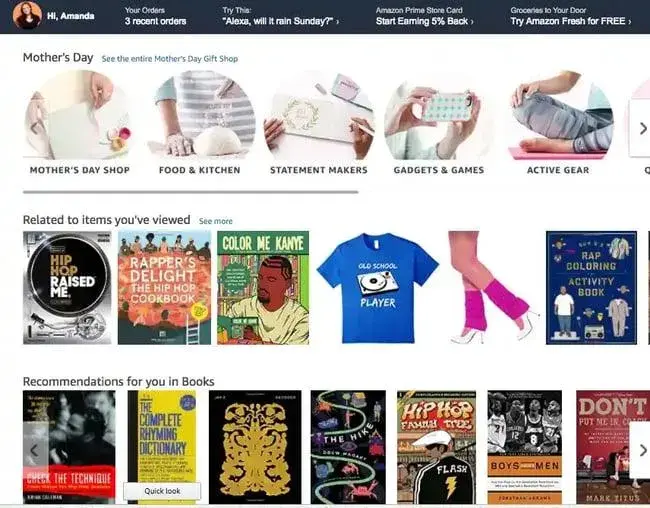
Driven by collaborative filtering that analyzes purchase history, browsing behavior, search queries, wish lists, and the behavior of customers with similar tastes, Amazon curates a unique experience for every single user.
Your homepage is not the same as your neighbor’s. Neither are your emails, “Customers also bought” carousels, “Keep shopping for” sections, or search results. Personalization marketing even extends to its ancillary products, such as Audible and Alexa.
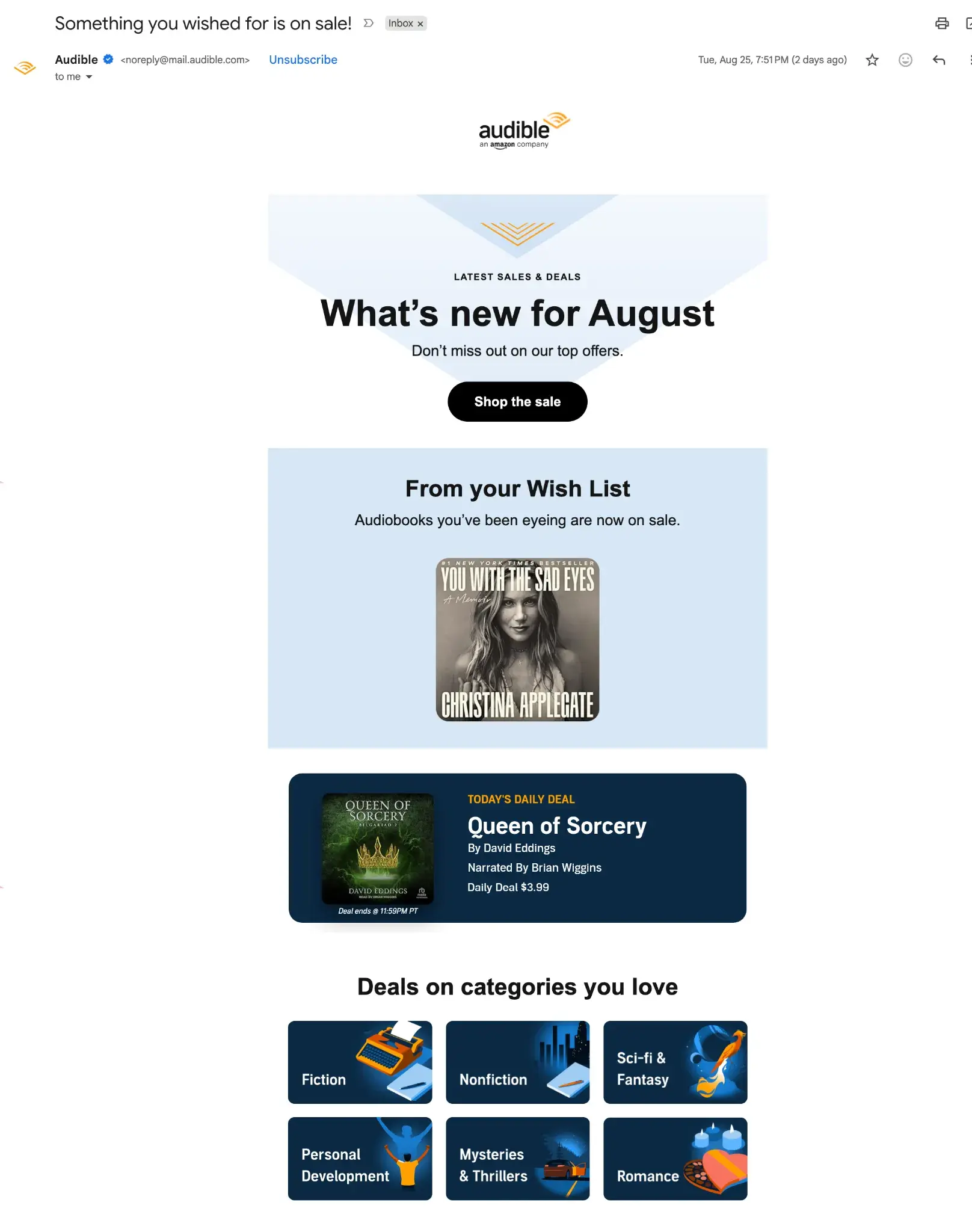
What we like: Amazon makes personalization feel like a part of the service, not surveillance. It’s actually usefulness, consistently surfacing products you didn’t know you wanted, whether it’s a book, a tool, or an article.
This experience makes it faster and easier for people to find things they like and also encourages casual “window shopping” just to see what Amazon comes up with next.
Pro tip: You don’t need Amazon’s scale to apply this logic. HubSpot’s Marketing Hub lets you segment contacts and trigger personalized product or content recommendations based on purchase or browsing behavior through lists, personalization tokens, and smart content.
2. Spotify
Like Amazon, Spotify’s personalization marketing is actually central to its product and top-tier experience. Two of its most popular examples are its “Discover Weekly” playlist and “Spotify Wrapped” annual report.
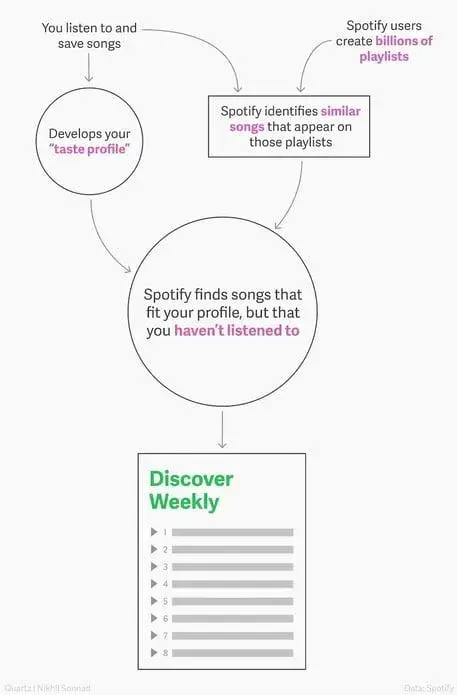
Discover Weekly is a 30-song playlist refreshed every Monday, built from collaborative filtering (what people with similar tastes are listening to) crossed with your individual listening history. It’s the quiet, always-on workhorse that delivers unique value to every user, tailored specifically to them.
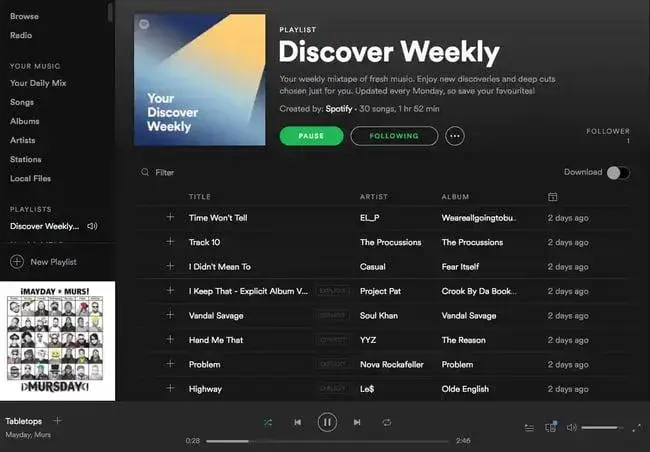
This keeps users coming back to see (or hear rather) what’s new. Those behind Discover Weekly acknowledge that personalization isn’t a perfect science, as recommendations can be hit or miss. Still, it refines based on songs you skip or like.
As members of the Spotify team once explained, “If users fast-forward within the first 30 seconds of a song, the Discover Weekly algorithm interprets that as a thumbs-down for that song and artist.”
Meanwhile, Spotify Wrapped is the annual cultural event with a personalized report, playlist, and shareable graphics for every user. In 2025, Wrapped reached 200 million users within the first 24 hours of launch. It was also shared more than 500 million times, 41% more than the previous year.
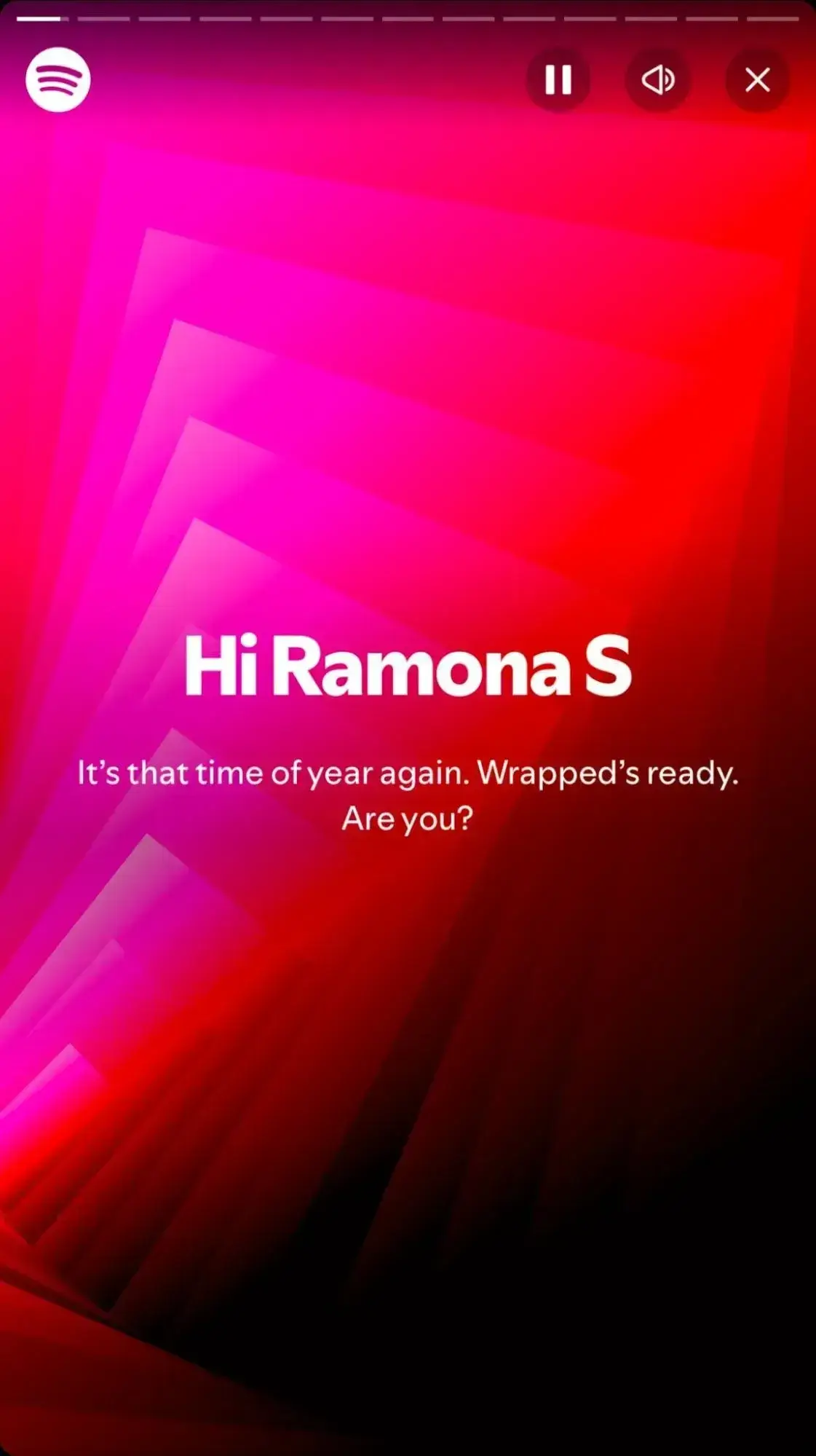
Wrapped is remarkable because it transforms passive listening data into an active personal identity. It tells you a story about yourself that you want to share with the world, in turn prompting you to do the marketing for Spotify.
In recent years, Spotify has expanded its personalization on its platform to include even a merch hub.
Here, avid listeners get recommendations on merchandise being offered by their favorite artists.
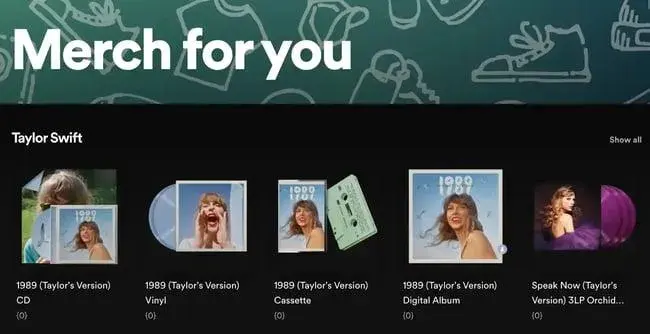
What we like: Spotify proves personalization isn’t just about driving purchases; it’s about driving engagement by making customers feel seen. Wrapped is a masterclass in turning behavioral data into emotional resonance and user-generated content.
Best for: Brands with rich behavioral data looking to create both everyday utility (automated recommendations) and annual milestone moments that earn social sharing. Other similar personalization marketing examples can be seen in fitness apps like Strava or even in loyalty programs like Panera’s.
Digital Marketing For Small Business
Everything you need to know to get started with digital marketing. You'll learn about:
- SEO
- Content Marketing
- Marketing Analytics
- And More!
Download Free
All fields are required.
Form not available
3. Netflix
Netflix’s recommendation engine drives over 80% of everything watched on the platform, and the company estimates it saves more than $1 billion annually in customer retention thanks to it as well.
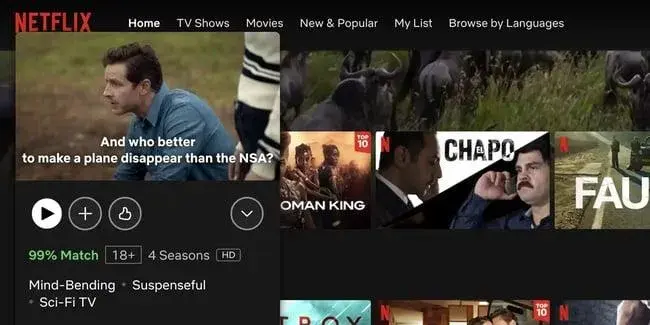
In March 2025, Netflix made its biggest infrastructure change in years, replacing hundreds of specialized models with a single unified Foundation Model inspired by large language model architecture. Your viewing history is now treated like a sequence of tokens: every click, pause, scroll, and rewatch feeds a model that predicts what you want next.
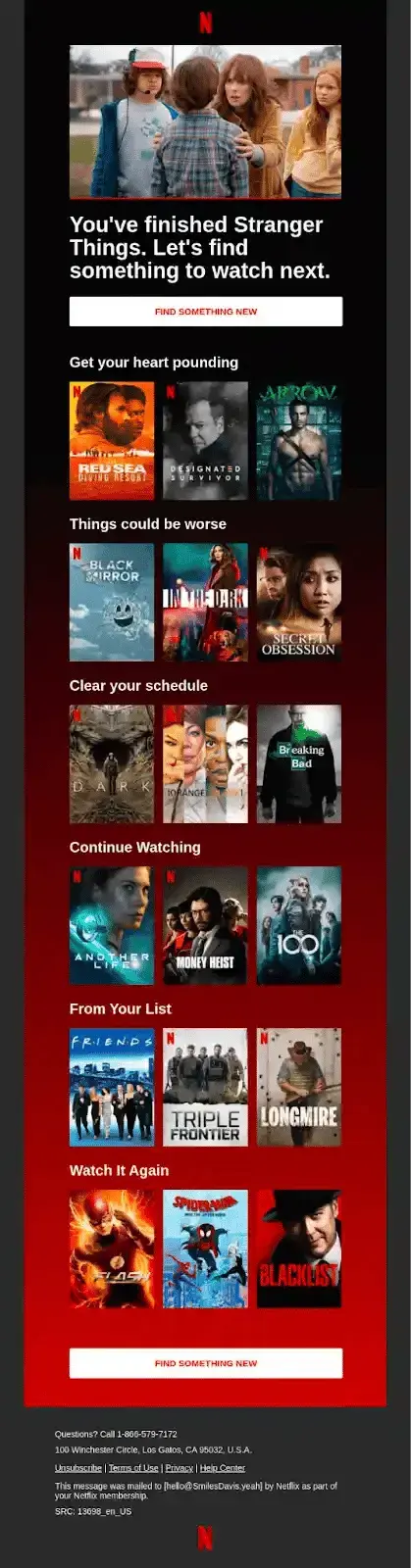
Netflix’s personalization goes beyond the play button. The thumbnail images shown for each title are algorithmically selected for your profile, so you and even someone in your “household” may be shown different things for the same title. Email subjects are also tailored to your taste. Even the row order on your homepage is personalized.
What we like: Netflix has made personalization invisible in the best way — it just feels like the platform knows you. The match-percentage displayed next to titles is a small but powerful transparency feature that builds trust in the recommendations.
Pro tip: Re-engagement emails are one of the easiest personalization wins Netflix uses. Use behavioral triggers — like “hasn’t opened in 30 days” — to send content nudges based on what a contact has previously engaged with. HubSpot’s lists and automation workflows in Marketing Hub make this straightforward to set up.
4. Shutterfly
Shutterfly sells custom photo products like mugs, canvases, photo books, and calendars, but the personalization doesn’t stop there.
With user permission, Shutterfly automatically scans your camera roll (or uploaded photos), detects faces, and places them on purchasable products, which it then displays on its marketing channels.
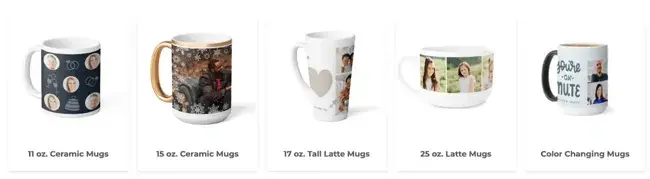
When customers open the app, website, or email, they may see mugs with loved ones’ faces, photobooks, or personalized puzzles, among other things. This is a clever use of personalization to highlight what Shutterfly can create for you, in a way that feels natural and useful.
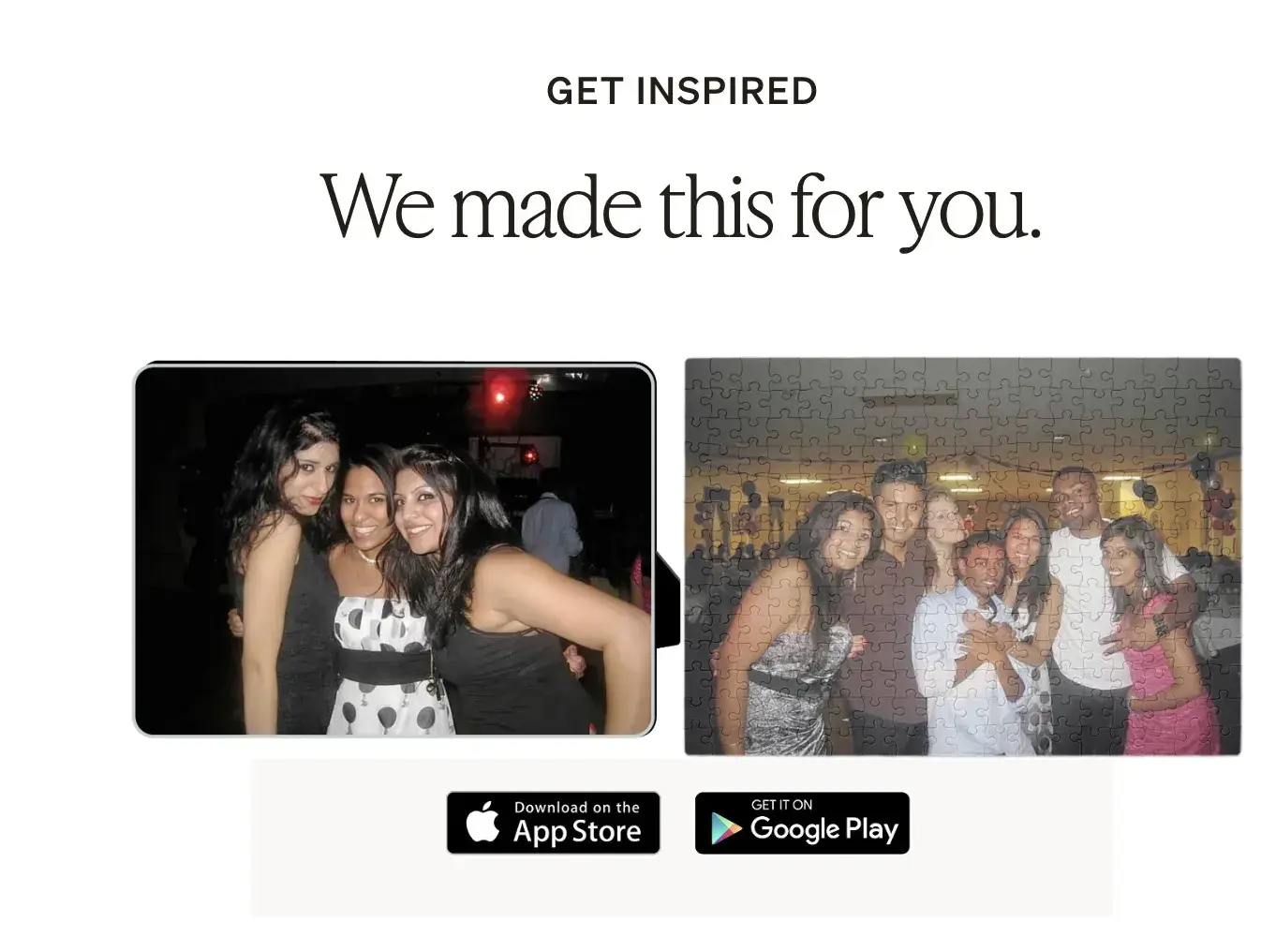
What we like: Shutterfly makes the case for ‘show, don’t tell’ personalization. Instead of describing what a product could look like, it shows you the actual item. The purchase barrier drops dramatically.
Pro tip: Always obtain explicit consent before accessing personal data, especially for marketing purposes. A permission-first approach isn’t just a legal requirement; it’s what separates personalization that feels helpful from that that feels creepy.
5. Etsy
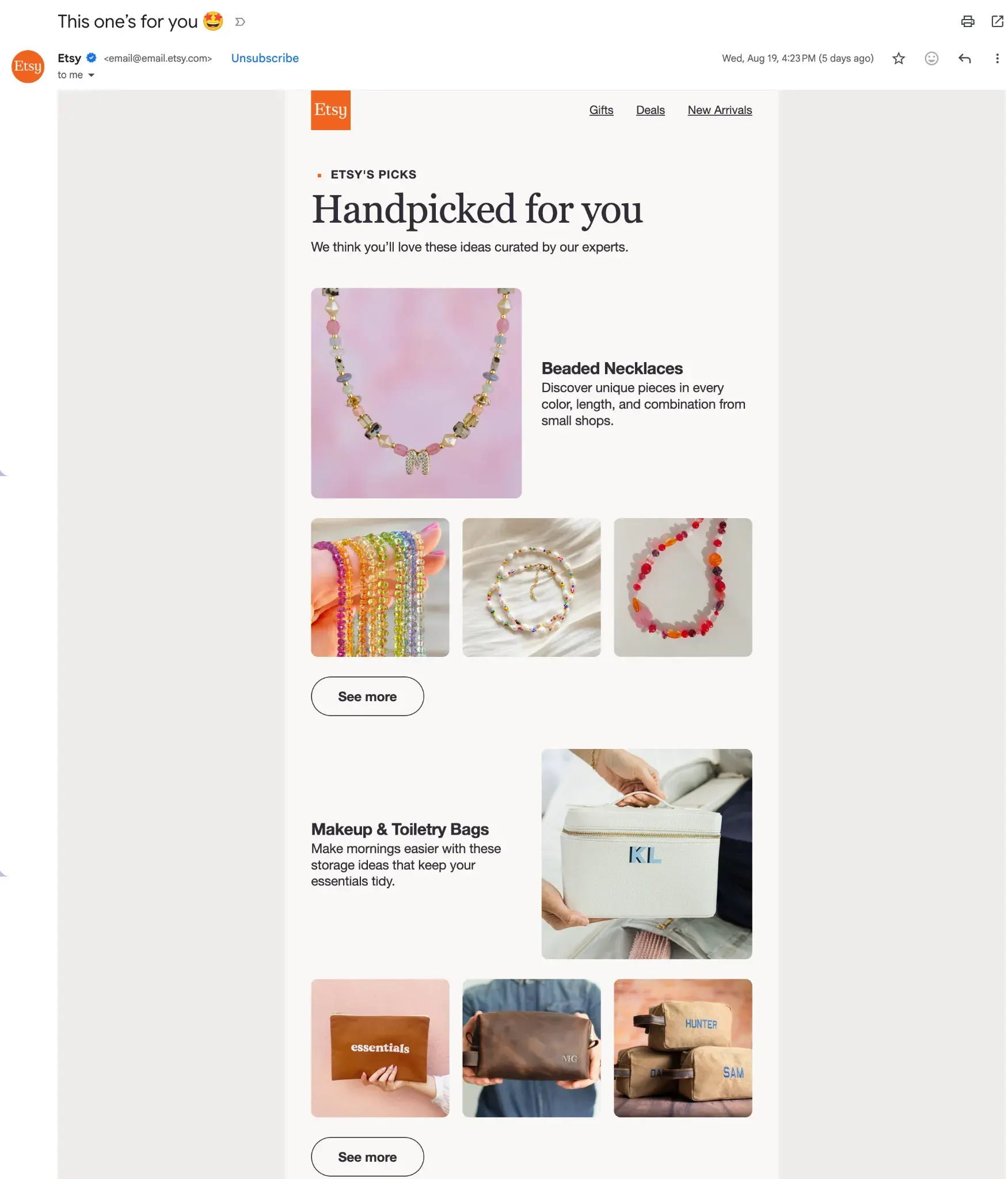
Etsy is a robust marketplace offering everything from love spells to custom bobble heads. With so many possibilities, it uses personalized marketing to sift through and surface the sellers and products it believes will be most relevant to you, then showcases them in emails, ads, and on its homepage.
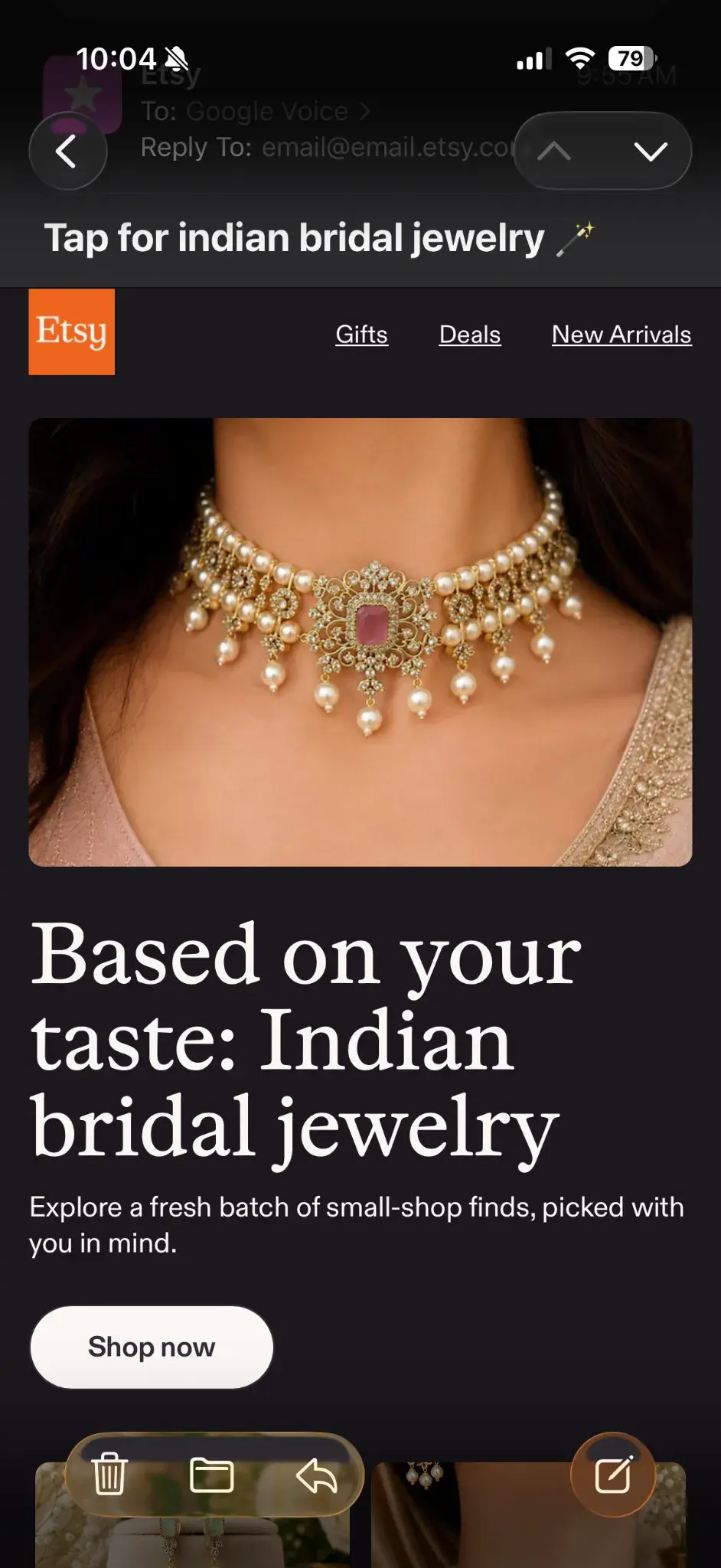
Etsy’s algorithm takes note and delivers similar items users are searching for, as well as items from stores they follow. For example, I recently was on Etsy looking for Indian wedding decor, favors, and outfits, and received recommendations for similar items and products from followed stores.
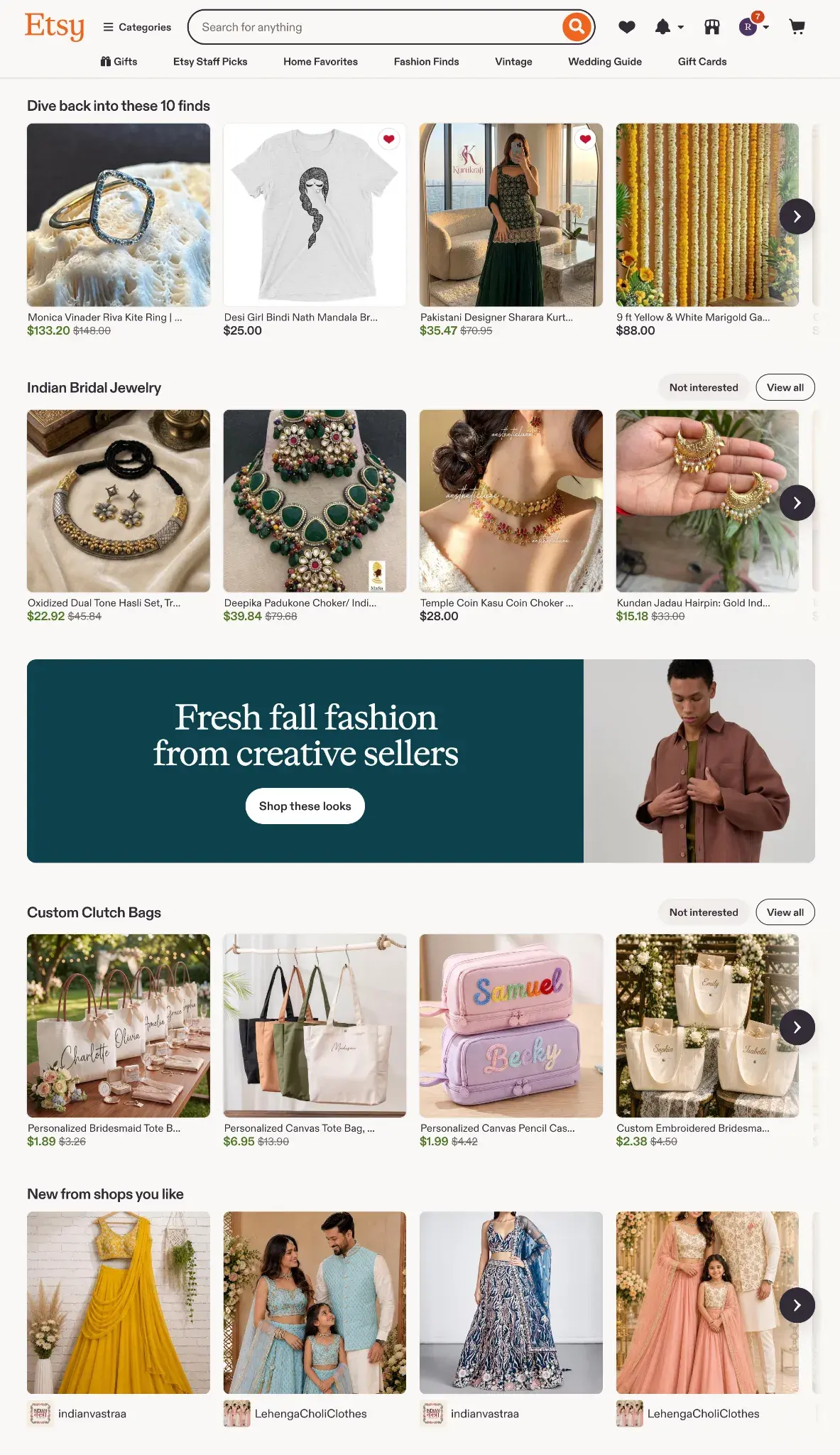
What We Like: The platform also frequently sends promo codes for items I’ve liked or added to my cart without checking out. That’s some savvy use of personalization marketing for reengagement.
6. Penguin Random House UK
Penguin Random House has a wide range of titles, and book lovers of all kinds can find something they’ll love in their library. In a clever Valentine’s Day campaign, the marketing team made the process a little easier using a quiz.
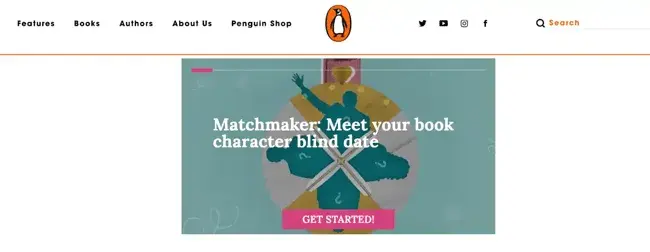
Instead of bombarding visitors with thousands of titles, the publisher used an interactive quiz (or “self-selection tool) to help people discover what to read next based on their preferences, mood, and reading history.
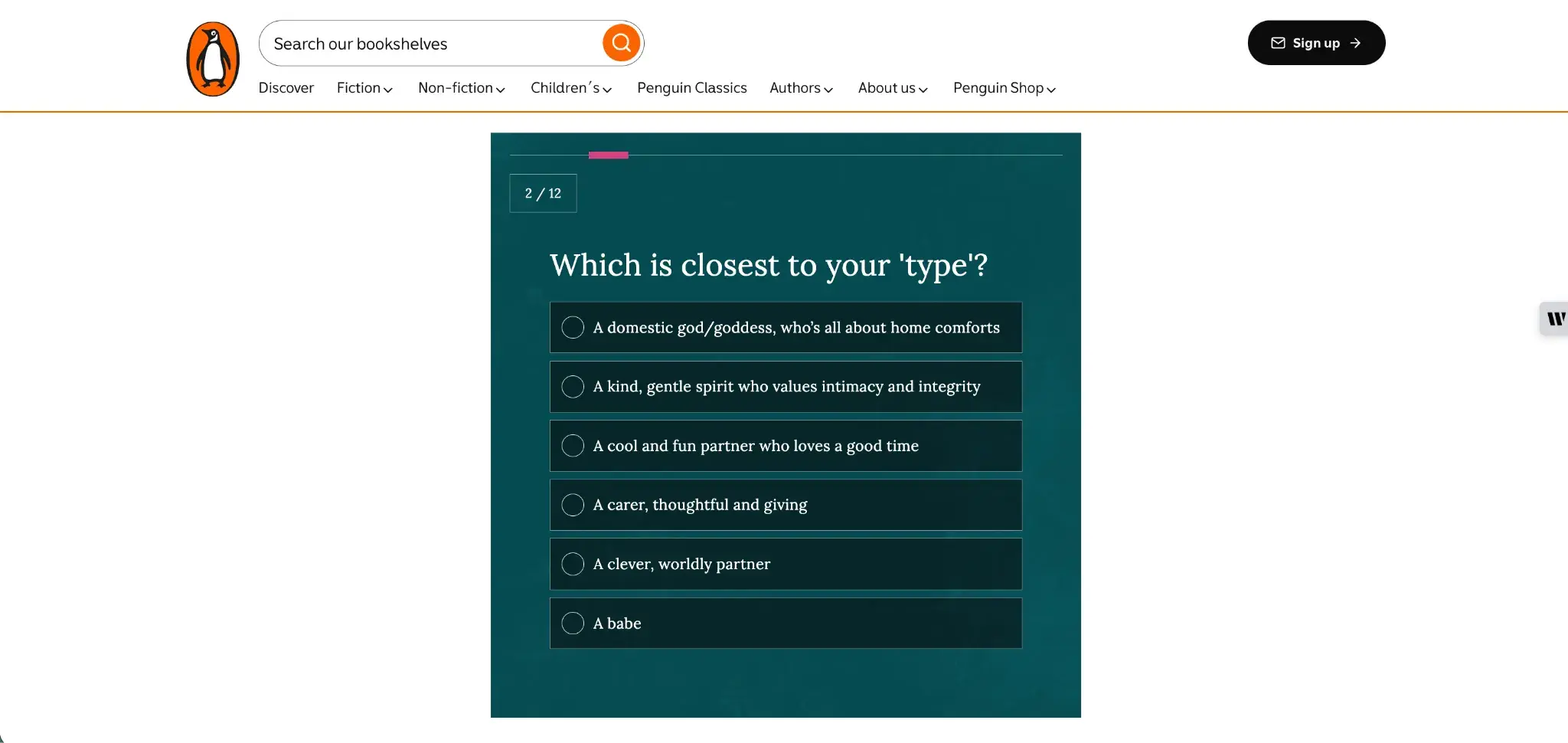
Quizzes like this one are a clever way of tackling the ‘paradox of choice’ problem for businesses with a large product catalog or customizations. They turn overwhelming shopping experiences into personal discovery journeys, and the data you collect can power future email personalization.
What we like: Quizzes are also an overt, but not intimidating, form of data collection. Users volunteer their preferences, and you surface the right product. Everyone wins, and you learn more about your audience with every submission.
Pro tip: Forms and smart content tools in Marketing Hub let you use quiz or form responses to automatically segment contacts and serve personalized content on follow-up pages and in subsequent emails.
Digital Marketing For Small Business
Everything you need to know to get started with digital marketing. You'll learn about:
- SEO
- Content Marketing
- Marketing Analytics
- And More!
Download Free
All fields are required.
Form not available
7. Vidyard
While email and user experience are pretty common avenues for marketing personalization, video is a bit harder to use. One brand that has offered a solution (and incorporated it into its own marketing) is Vidyard.
Vidyard’s platform lets teams send 1:1 personalized videos, not just with the viewer’s name in the subject line, but with personalized content stitched into the video itself.
At my previous organization, I once received a video from Vidyard in which the sender addressed me by first name, referenced specific colleagues by name, and showed my name realistically.
Sadly, I don’t have it anymore, but here’s another very meta example, personalized for the only ‘80s icon, George Michael.

What we like: Video is a powerful marketing tool thanks to its multimedia nature, and personalized video requires a great deal of perceived effort, even when software scales it. That perceived effort doesn’t go unnoticed or unappreciated by viewers, and it typically translates directly to response rates and booked meetings.
Best for: Businesses driven by customer and client service. Personalized video rewards investment, so reserve it for contacts where the relationship justifies the extra effort.
8. IPSY
IPSY is a beauty subscription service that sends members five personalized sample-sized products every month. Subscribers start with a quiz about their skin tone, hair type, and product preferences, then IPSY’s algorithm matches them with products monthly based on those inputs.
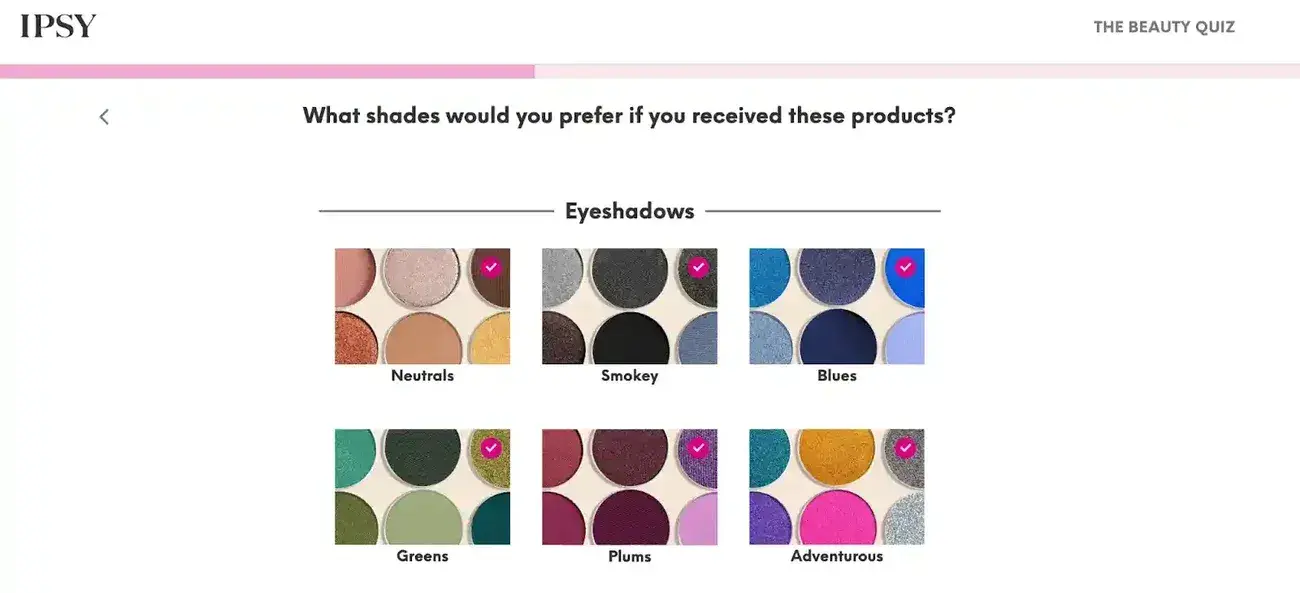
Beauty and skincare are highly personal. What works for one person’s skin doesn’t work for another. IPSY has built its entire business model around that reality, weaving personalization into its service, not just the marketing.
9. ProWritingAid
Every week, ProWritingAid sends users a personalized “Your Achievements Last Week” email including how many words they wrote, how many grammar suggestions they accepted, their most active writing days, and how they compare to the prior week.
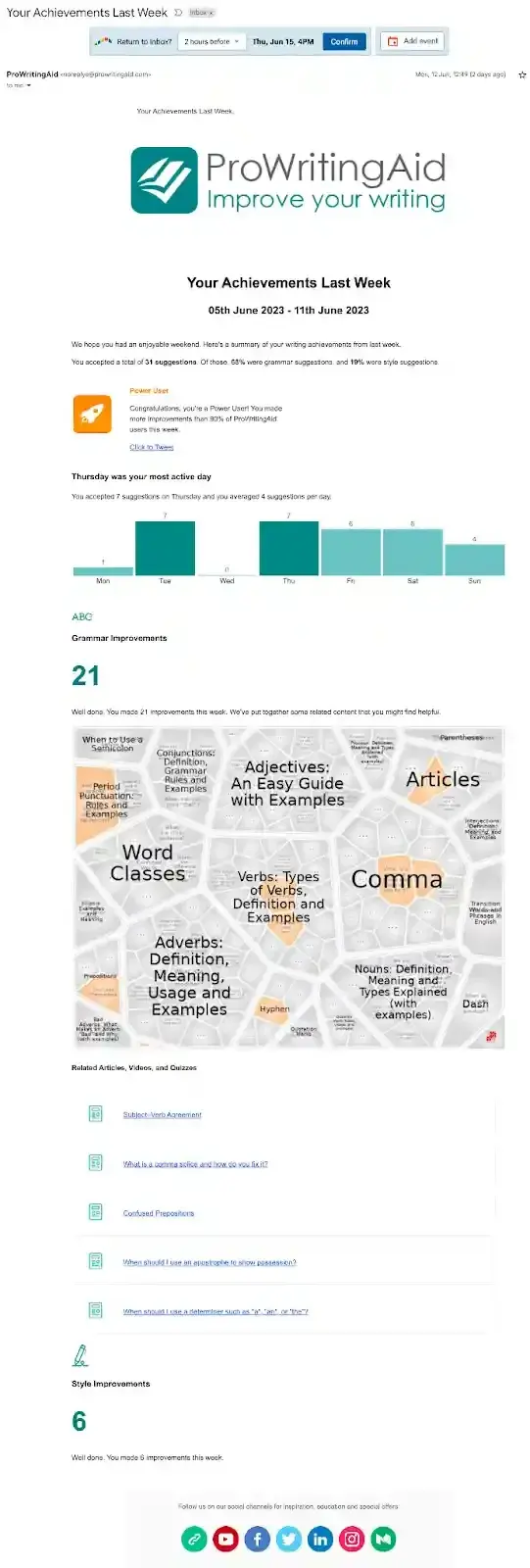
ProWritingAid’s achievement email is a great example of using personalization for gamification.
ProWritingAid tracks user behavior in the app, then turns that raw data into a motivating, personal narrative. The email also includes a “click to tweet” button so users can publicly share their progress, generating free user-generated content for the brand.
What we like: This is the SaaS personalization playbook at its best: use in-app behavioral data to show users their progress, celebrate their wins, and gently reveal opportunities for improvement. The ‘click to tweet’ button in the achievement email also turns users into marketers by encouraging them to publicly share their progress.
10. OpenTable
One of my favorite examples of personalization marketing comes from OpenTable. Every month, the restaurant reservation app sends a recommendation email based on each user’s dining history, including the cuisines they prefer, the neighborhoods they’ve visited, and the price ranges they’ve booked at.
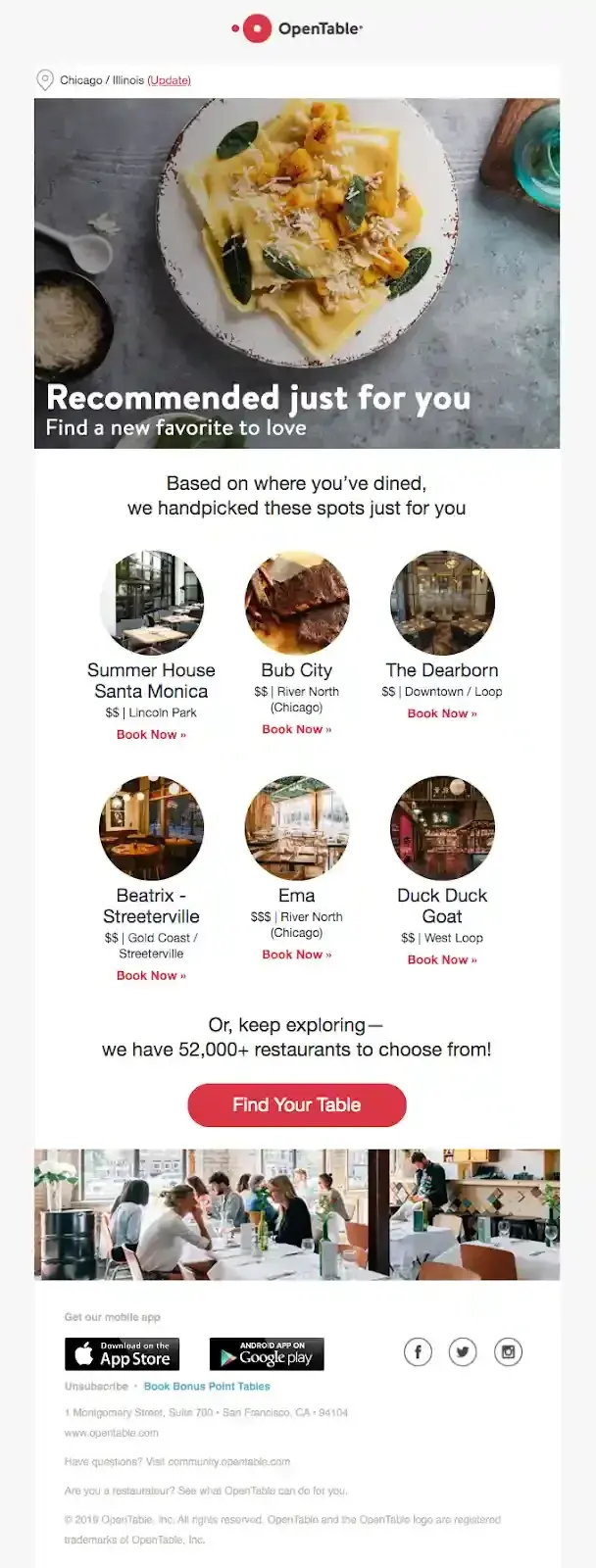
Instead of asking users to browse 52,000+ restaurants, it curates a short, tailored list for them. For a service built on repeat bookings, OpenTable’s personalization reduces friction between deciding to dine out and securing a reservation, making strong restaurant recommendations valuable to foodies.
OpenTable’s personalization carries over into its app as well, highlighting restaurants near you with open reservations in the next few hours, as well as spots you viewed recently but didn’t book.
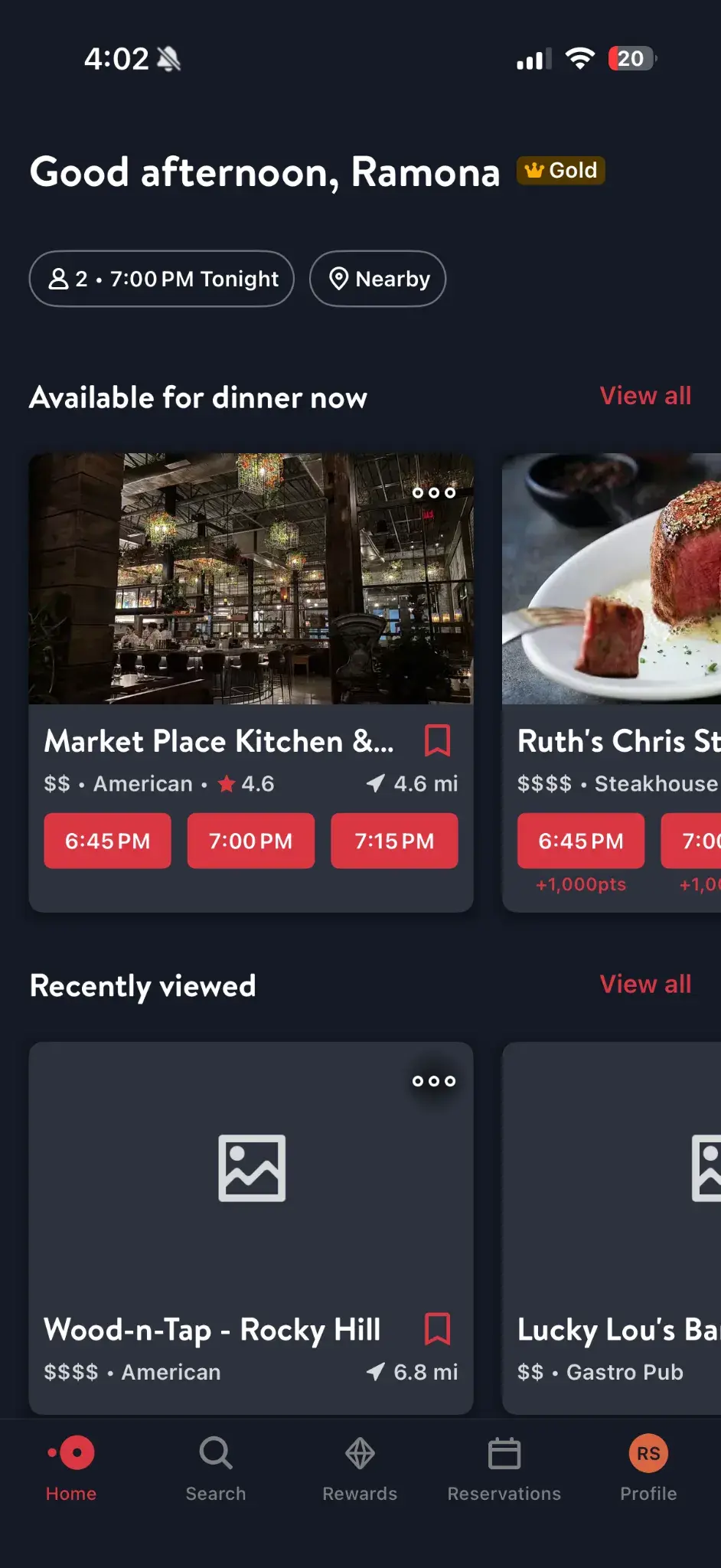
What we like: OpenTable’s personalization reduces work for the customer while promoting its service and the restaurants it partners with. I don’t know about you, but whenever I want to check out a new restaurant or am traveling, I stress myself out looking for a place that won’t disappoint. OpenTable’s emails help minimize that risk. Use personalization to remove decision fatigue, not add to it.
11. Cadbury Celebrations
Cadbury Celebrations is a popular product of the beloved chocolate company Cadbury. In this campaign by Ogilvy, it not only used personalization to appeal to its audience in India but also enabled them to do the same. Let me explain.

After the COVID-19 pandemic, Cadbury Celebrations used OpenAI’s DALL-E 2 to enable small businesses in India to create high-production value social media videos featuring the voice and image of iconic Hindi film actor Shah Rukh Khan (affectionately known as SRK).
Anyone could enter their business details online and quickly get an ad featuring SRK that says their business name and urges people to shop there.
Considering SRK is one of India’s most popular actors and brand ambassadors, this was a powerful opportunity for small businesses to capitalize on his star power and quickly generate attention-grabbing visual content.
What we like: The goodwill this campaign has generated is its true win. It not only made typically expensive personalization accessible to a wider audience but also proved its effectiveness, with the campaign resulting in more than 30 million ad views, 35% growth for participating businesses, and plenty of praise for Cadbury.
Digital Marketing For Small Business
Everything you need to know to get started with digital marketing. You'll learn about:
- SEO
- Content Marketing
- Marketing Analytics
- And More!
Download Free
All fields are required.
Form not available
How to Build a Personalization Marketing Strategy: The 4 D’s Framework
Great personalization doesn’t happen by accident. It’s a system. Here’s a practical framework known as “The Four Ds” (popularized by McKinsey & Company) to help you build yours.
1. Data: Know your customers.
Personalization starts with first-party data or information customers share with you directly through purchases, form fills, email behavior, and on-site actions. Knowing how to use data to personalize marketing is the foundational skill on which everything else builds.
(Note: Yes, you can technically get customer information indirectly as well, but that can lead to legal hot water when it comes to personalized marketing.)
Focus on four data types:
- Relevant behavioral data: Pages visited, products viewed, emails opened, links clicked, events attended, and content downloaded.
- Declared data: Quiz answers, preference centers, survey responses, and demographics shared with permission.
- Transactional data: purchase history, returned products, subscription tier, support interactions.
- Contextual data: Location, device, referring source, time of day.
The more data sources you unify, the better your personalization will be.
HubSpot’s Smart CRM consolidates contact data across marketing, sales, and service so you’re working from a single source of truth, rather than a patchwork of disconnected tools.
2. Decisioning: Know what to show.
You have the information, but how do you put it to use? You need logic that translates customer signals into content decisions.
Decisioning logic ranges from simple segmentation rules (such as ‘customers who bought product A should see product B’) to AI-powered real-time scoring that predicts the next-best action for each person.
This is where AI personalization really stands out. For a deeper look at how this has evolved, this guide to AI personalization in marketing covers the current state of the technology.
HubSpot’s Breeze AI automates personalization decisioning inside Marketing Hub — scoring contacts, predicting behavior, and surfacing the right content at the right moment, without requiring a data science team.
3. Design: Build for modularity.
Personalized experiences need modular or “templated” content to work with. Instead of writing one email, marketers create templates with variable blocks for subject lines, hero images, product recommendations, and CTAs that automatically swap based on the recipient.
Think in building blocks:
- Dynamic text: Swap the name, company, industry, or location in the copy.
- Smart content: Show different hero images or body sections based on persona or lifecycle stage. Check out these website personalization examples to see it in practice.
- Conditional CTAs: Route customers to different offers based on their history.
HubSpot’s personalization tokens and smart content features let you build these modular templates directly inside Marketing Hub, no developer required.
4. Deployment: Orchestrate across channels.
Personalization only works if it’s consistent. A customer who gets a personalized email and then lands on a generic homepage experiences a jarring disconnect that erodes trust.
Channel orchestration means:
- Consistent messaging across email, website, ads, and in-app.
- Coordinated timing so messages arrive at the right moment in the customer journey.
- Frequency management so you’re helpful, not overwhelming.
Marketing Hub’s automation workflows connect your personalization logic across channels (e.g., from the first email to the re-engagement sequence) so the experience feels intentional end-to-end.
For a broader view of how this fits into a looped marketing approach, see HubSpot’s Loop marketing guide.
Frequently Asked Questions about Personalization Marketing
What is personalization in marketing?
Personalization in marketing is the practice of using customer data (behavioral, transactional, and declared) to tailor messages, offers, and experiences to individuals rather than sending the same content to everyone. Channels include email, website content, product recommendations, paid ads, and in-app experiences. When personalization is done well, every customer touchpoint is relevant and specific to them.
Which brands do personalization marketing well?
Amazon, Spotify, and Netflix are the most widely cited examples of personalization marketing at scale. Amazon’s recommendation engine drives an estimated 35% of revenue. Spotify’s 2025 Wrapped campaign reached 200 million engaged users in 24 hours. Netflix’s personalization saves over $1 billion annually in customer retention. Other strong examples in this guide include Shutterfly, IPSY, Vidyard, OpenTable, ProWritingAid, and Penguin Random House.
What are the 4 D’s of personalization marketing?
The 4 D’s of personalization marketing are: Data (collecting and unifying first-party customer data), Decisioning (using rules or AI to translate data signals into content decisions), Design (building modular content templates that personalize at scale), and Deployment (orchestrating personalized experiences consistently across all channels). Each D builds on the last; great personalization requires all four working together.
Keeping the “Person” in Personalization
Personalization at its best is an act of consideration. It says: “We noticed. We remembered. We thought about you.”
The brands in this guide do this well, not because they have more data than everyone else (though they likely do), but because they put that data to work in service of the customer. They make discovery easier, reduce friction, celebrate milestones, and surface what’s relevant without feeling like they’re watching.
The difference between a considerate and creepy personalized customer experience comes down to one question: Does this make the customer’s life easier or better? If yes, lean in. If it feels like it crosses a line, it probably does. Explore the psychology of why personalization works, as well as personality marketing, to sharpen your instincts for where that line sits.
Start with one channel and one clear data signal, like purchase history or page visits. Use that signal to send one more relevant message than you sent last month. Measure what happens. Iterate and watch your customers respond.
Ready to put your customer data to work? HubSpot Marketing Hub gives you the tools to segment, personalize, and automate campaigns across email, web, and ads — all from one connected platform.
Editor's note: This post was originally published in May 2025 and has been updated for comprehensiveness.
Digital Marketing For Small Business
Everything you need to know to get started with digital marketing. You'll learn about:
- SEO
- Content Marketing
- Marketing Analytics
- And More!
Download Free
All fields are required.
Form not available
Personalization

![Behavioral Marketing: What Is It & How Is It Beneficial? [+ Examples]](https://53.fs1.hubspotusercontent-na1.net/hubfs/53/behavioral%20marketing.jpg)