
Internet marketing offers unique benefits other marketing mediums (i.e., TV, print) can't offer — scope of reach, the option to personalize content, and the opportunity to build far-reaching relationships with customers, being just a few.
There are tens of digital channels, including email, social media, websites, and search engines, to reach your ideal audience. In this post I’ll cover everything from marketing strategies to real-world examples, to ensure your business reaches the right people.
Table of Contents
Content Marketing Planning Templates
Plan your content strategically with these handy templates.
- Editorial Calendar Template
- Buyer Persona Templates
- SWOT Analysis Templates
- SMART Goal Template
Download Free
All fields are required.
What is internet/online marketing?
Online marketing, also known as internet marketing or web advertising, is a form of marketing that uses the Internet to deliver promotional messages to customers through digital channels such as search engines, email, websites, and social media. Online marketing strategies include web design, SEO, email, social media, PPC, and other internet-related methods.
Types of Internet Marketing
1. SEO Marketing
Search engine optimization or SEO, helps companies expand their visibility in organic search results. Essentially, good SEO ensures that when someone Googles your product or service, they can find your website in the search results.
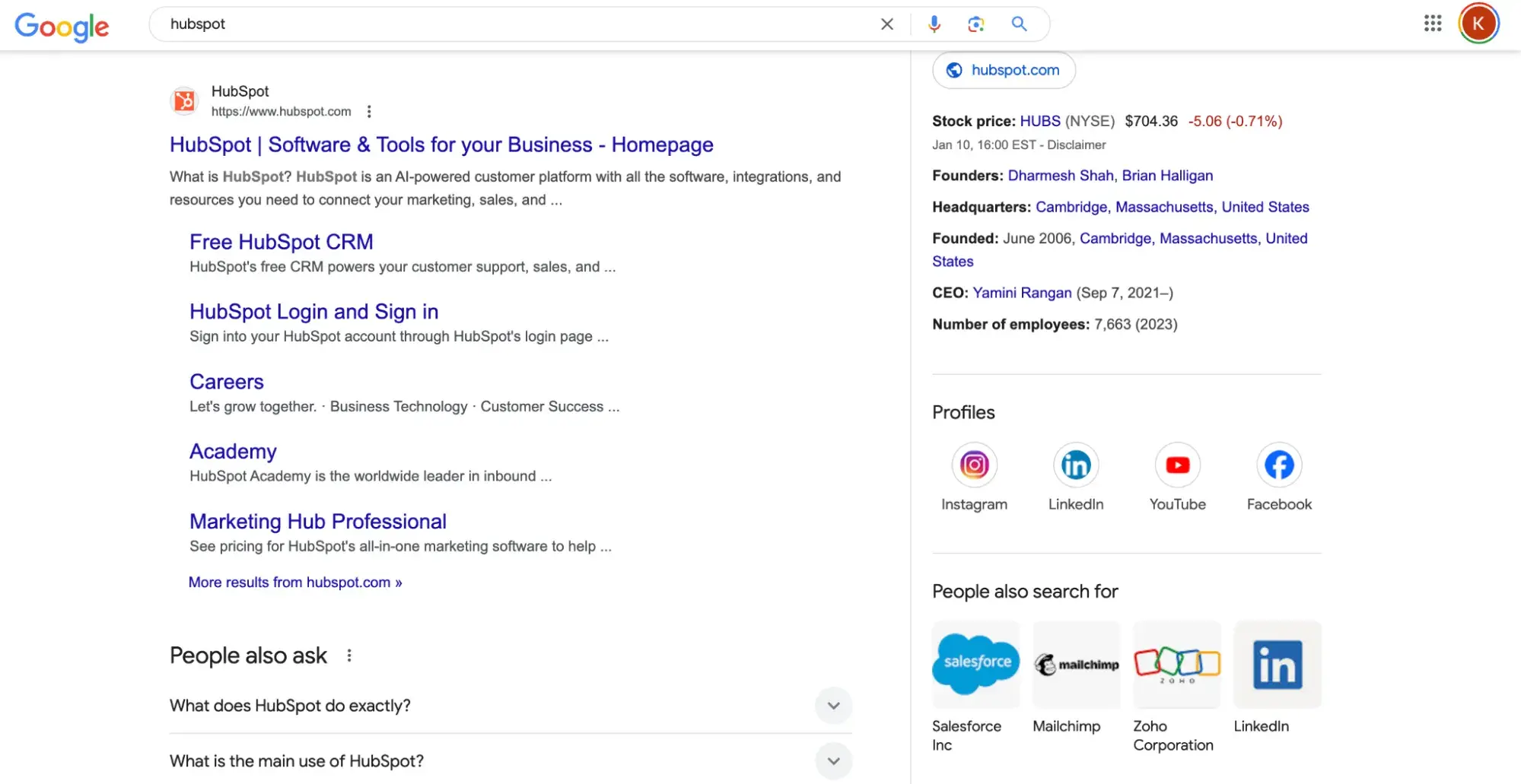
For example, if I Google “Hubspot,” it appears at the top of the search results, right after the sponsored posts. Branded terms are much easier to rank for compared to other terms, like “best CRM.”
2. Social Media Marketing
With 5.17 billion social media users globally, if you’re not using it for marketing, you’re missing out. No matter who your target audience is, chances are you’ll be able to find them on TikTok, Instagram, Facebook, X, or another platform.
Depending on your marketing goals and budget, you may choose:
- Organic. With organic social media marketing, you can take advantage of free marketing opportunities like creating posts and reels on Instagram.
- Paid. With paid advertising on social media, you can create promoted posts targeted towards a specific audience.
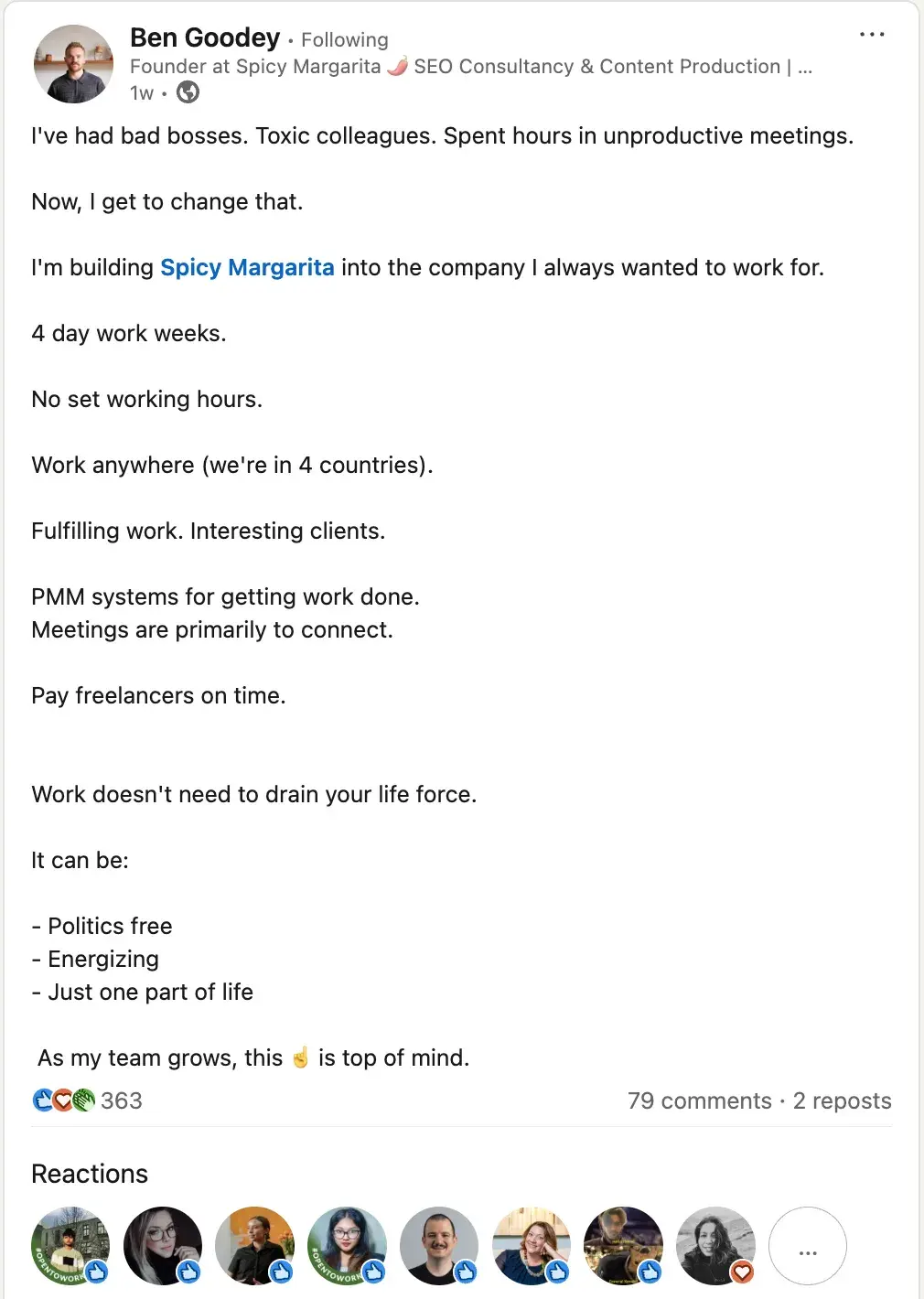
A lot of brands (and individuals) turn to LinkedIn to not only show their expertise but also to build connections with their followers. For example, Ben Goodey, the founder of an SEO agency Spicy Margarita (whom I am a big fan of), has impressive engagement. Look at how many likes and comments he got!
3. Content Marketing
Content marketing involves the creation and distribution of branded online content you can use to engage and attract both potential and existing customers. This can include social media, a company blog, training materials, video content, case studies or other industry related topics.
Blogging is definitely one of my favorites. It gives companies a great opportunity to share unique insights and showcase their personality — especially now that the internet is flooded with generic, low-quality content written by AI.
Here is an example from HubSpot. It features a lot of expert tips, which add credibility to the piece.
The CMO at gifted.co, Elad Maoz, told me that content marketing has proven a very helpful tactic for them.
“By creating high-quality, audience-centric content, we’ve built trust and engagement with our target market. One strategy we implemented was a blog series on creative gifting ideas, paired with video tutorials on making personalized gift packages. We distributed this content through email campaigns and social media ads,” says Maoz.
The blog series generated a 35% increase in website traffic and boosted engagement rates on social media by 50% over two months.
“Content marketing works because it positions your brand as a helpful resource, fostering loyalty and encouraging users to share your content, amplifying your reach organically,” he adds.
4. Email Marketing
Email marketing is the process of targeting your audience and customers through email. It helps you boost conversions and revenue by providing subscribers and customers with valuable information to help them achieve their goals.
When customers share their email with your brand, you can use it to:
- Send welcome emails to new customers.
- Promote new blog content.
- Introduce new products or services.
- Send promotions and discounts.
- Solicit feedback from customers about their experience with your brand.
- Send abandoned cart notifications to boost sales.
You might be wondering if it’s still worth investing in email marketing (especially since there are so many social media platforms to post on). My short answer is – absolutely. Some of the world’s most popular newsletters see subscriber numbers in the seven-digit range. For example, The Pulse, one of New York Times’ flagship newsletters, exceeded 2.4 million subscribers in 2024.
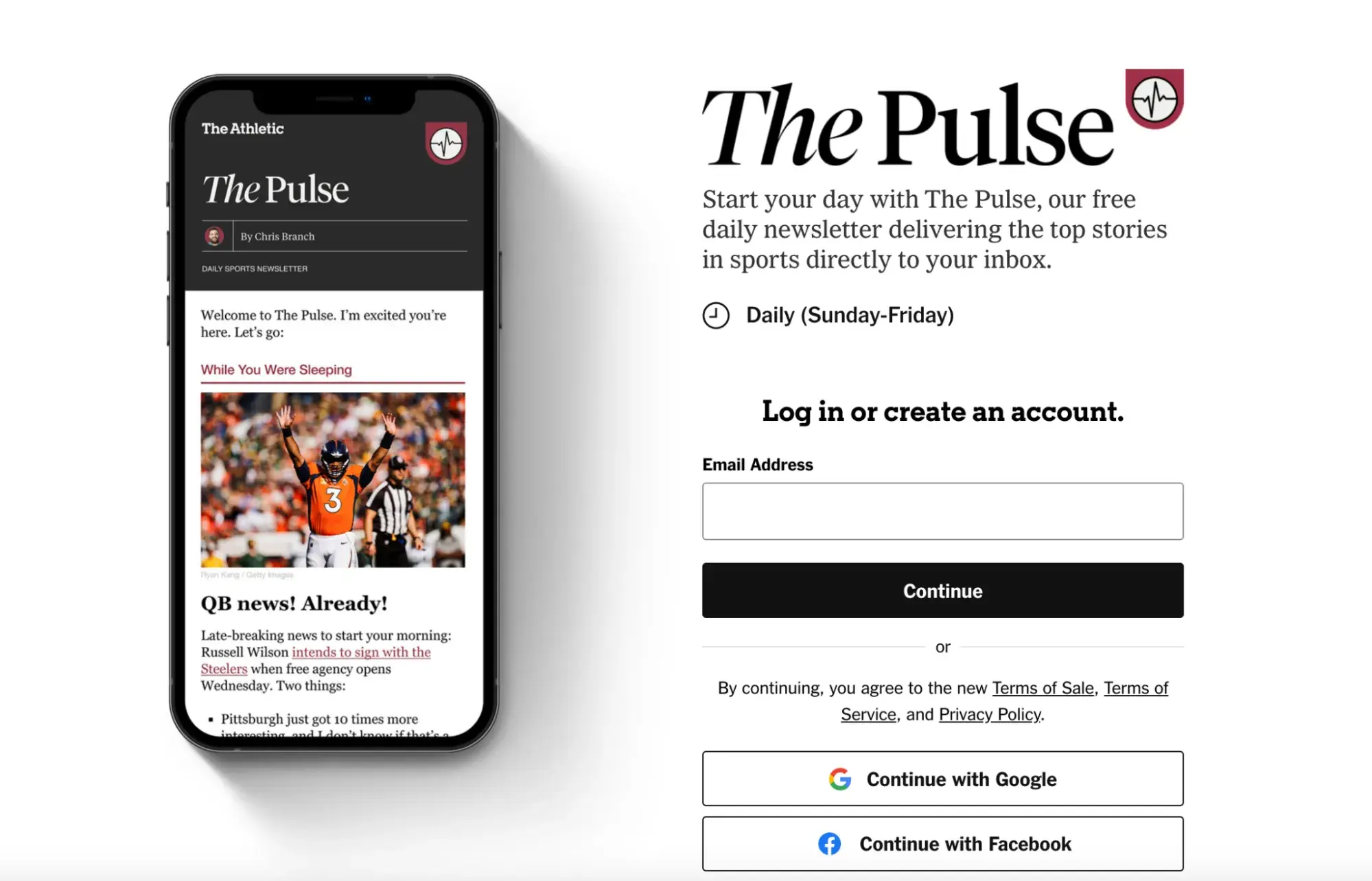
Of course, the more niche your product, the fewer subscribers you’ll aim for. Yet, this example demonstrates that email marketing can still achieve outstanding success.
5. Pay-Per-Click Marketing
Pay-per-click, or PPC, is a form of advertising that allows you to pay a fee to have your website on the search engine result page (SERP) when someone types in specific keywords or phrases to the search engine.
The SERP will display the ads you create to direct visitors to your site, and the fee you pay is based on whether people click your ad.
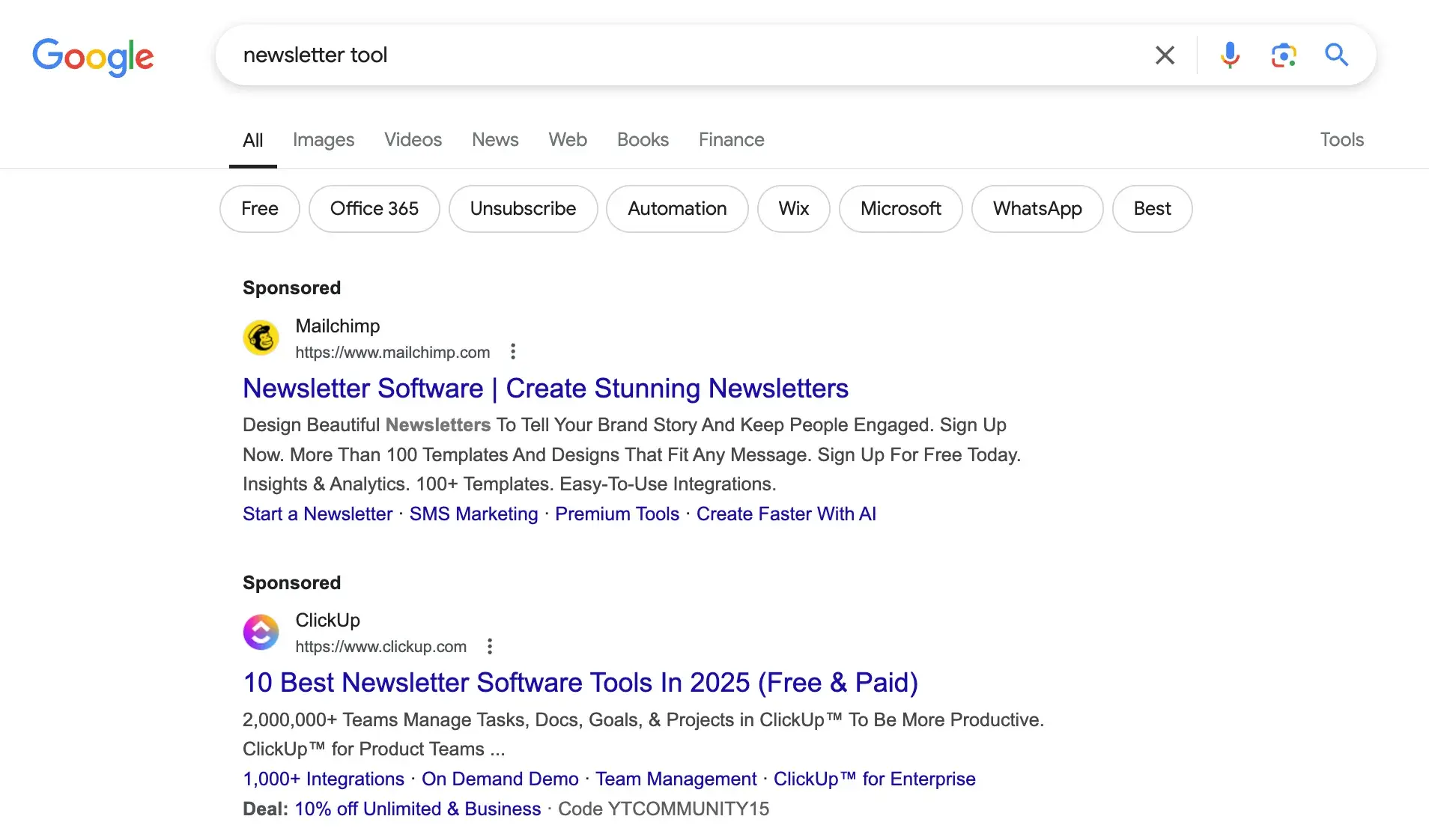
For example, here are a couple of PPC ads that appeared in Google when I searched the phrase “newsletter tool.” Notice the “sponsored” tags and how these types of advertisements frequently take up all of the above-the-fold parts of the page.
6. Influencer Marketing
Influencer marketing employs popular, niche content creators to improve brand awareness, increase traffic, and target messaging to a brand’s audience.
You can use influencers across multiple channels, including social media, blogs, digital and print ads, and television. It’s an effective marketing avenue because it uses word-of-mouth marketing and social proof, which are now critical aspects of any successful marketing strategy.
One of my favorite influencer marketing examples is Skin Unmasked, an Instagram profile run by Piotr Janicki MD, focusing on skin health and wellness. He has an engaged audience of viewers who turn to him not only for product recommendations but honest reviews and tips.
He’s also known for educating about the risks of myths and misleading product advertising. For more knowledge on these topics, he redirects readers to his blog and YouTube channel. This allows him to build an even more engaged community.

7. Affiliate Marketing
Affiliate marketing is a performance-based marketing tactic in which a retailer, typically an online one, rewards a website with a commission for each customer referred via the website’s promotional activities.
The “affiliate” or website only gets paid when their promotion of your product results in a sale. This method is similar to influencer marketing, but the pay structure is different.
For example, HubSpot's affiliate program offers a 30% recurring commission for each customer an affiliate refers.
What's the role of internet marketing?
Simply put, the role of internet marketing is to help your business reach, attract, and convert online audiences.
Acquiring skills through digital marketing courses can be a significant step to mastering the methods necessary to achieve these objectives.
Let‘s dive into two separate goals you’ll have with internet marketing, as well as the necessary methods you'll want to take to achieve those goals.
Goal 1: Internet Marketing to Attract New Customers
96% of shoppers use the internet for research before making purchasing decisions, so it’s important to pay attention to where your brand can be discovered (and how it’s perceived) online.
There are plenty of tactics you can use for this, like the following:
- Paid social media ads. Which channels you choose largely depends on whether you’re in B2B or B2C. I once worked for a company that offered a digital product for business-to-business clients, so our marketing team assumed that running LinkedIn ads would bring the highest ROI. We also simultaneously ran paid campaigns on Facebook. To our surprise, the latter channel turned out to be the most effective, bringing in the best quality leads at the best price.
- SEO. Optimizing your site for specific keywords will increase your chances of being discovered by prospects. Just make sure your content provides value to your target audience on top of being SEO optimized.
- Partnering up with influencers. In order for this to work, you’ll need to run some preliminary research. Ask yourself, “What types of accounts does my ideal customer follow?” Then, research influencers (whether on social media, YouTube, or both) in your niche.
Pro tip: Before you reach out to an influencer with a collab proposal, I highly recommend checking if they have high engagement on their posts and videos.
This is even more important than the number of followers (the classic case of “quality over quantity”). How can these people help you promote your brand?
There are plenty of ways from anything as simple as sharing images of your products to recording a video showing the “before/after” complemented with a discount code for the influencers' community.
- Website design. While website design doesn’t attract new customers, per se, it affects how your brand is perceived. If the design is clunky, information is hard to find, and the site is slow, it might discourage visitors from exploring your website and surely won’t result in conversion.
Content Marketing Planning Templates
Plan your content strategically with these handy templates.
- Editorial Calendar Template
- Buyer Persona Templates
- SWOT Analysis Templates
- SMART Goal Template
Download Free
All fields are required.
Goal 2: Internet Marketing to Cultivate Brand Loyalists
Internet marketing is for more than “just” attracting new customers — it's also critical for turning them into long-time clients. You can use the channels I mentioned above and a few others, but apply different tactics.
Here are a few methods I recommend giving a try:
- Email marketing. This is a pretty broad category. It covers both wide-scale campaigns like informing all of your clients about a cross-site sale and personalized messages for individual customers.
One of my favorite examples of the latter is sending over a Happy Birthday message along with a special discount code that can be redeemed within a month or so.
With such a tactic, you don’t pressure your clients into buying while the promo code lasts and give them the option to get their favorite product or service at a special rate.
Pro tip: Of course, to reap the benefits of email marketing, you need to build and properly set up an email list. Here's how to build an email list from scratch.
- Social media. You might use social media to showcase your brand's personality and hear directly from your customers. Consider hosting a chat on X, posting surveys on Instagram, or creating fun contests on Facebook.
Always reply to every comment your clients or prospects post — especially negative ones. If you don't feel like you have the bandwidth to create all social media content internally, consider using a third-party service like UpContent, which sends you compelling, curated content that you can share with your audiences for increased engagement.
- Loyalty programs. According to Emarsys, loyalty program usage went up by 28% in 2024. Given how much customers love personalized rewards and incentives, this is hardly surprising. I do need to say here, though, that you shouldn’t create a program unless you can genuinely follow through and offer attractive deals.
If you’re looking for inspiration, I recommend checking out the loyalty program at wellness brand Rituals. I’ve been shopping there every two or three months for about a year or so.
The first time I visited a brick-and-mortar location, I was asked if I wanted to sign up as a member, to which I agreed. Now, every time I go in to stock up on my favorite items, I am surprised either with a freebie (like hand cream) or a discount.
Just the other day, I was given a $5 discount upon checking out – a pretty nice touch, if you ask me!
Internet Marketing vs. Content Marketing
Content marketing and internet marketing are incredibly similar strategies used to attract leads and prospects to your site, and ultimately convert web traffic into customers. However, there are a few slight differences between the two.
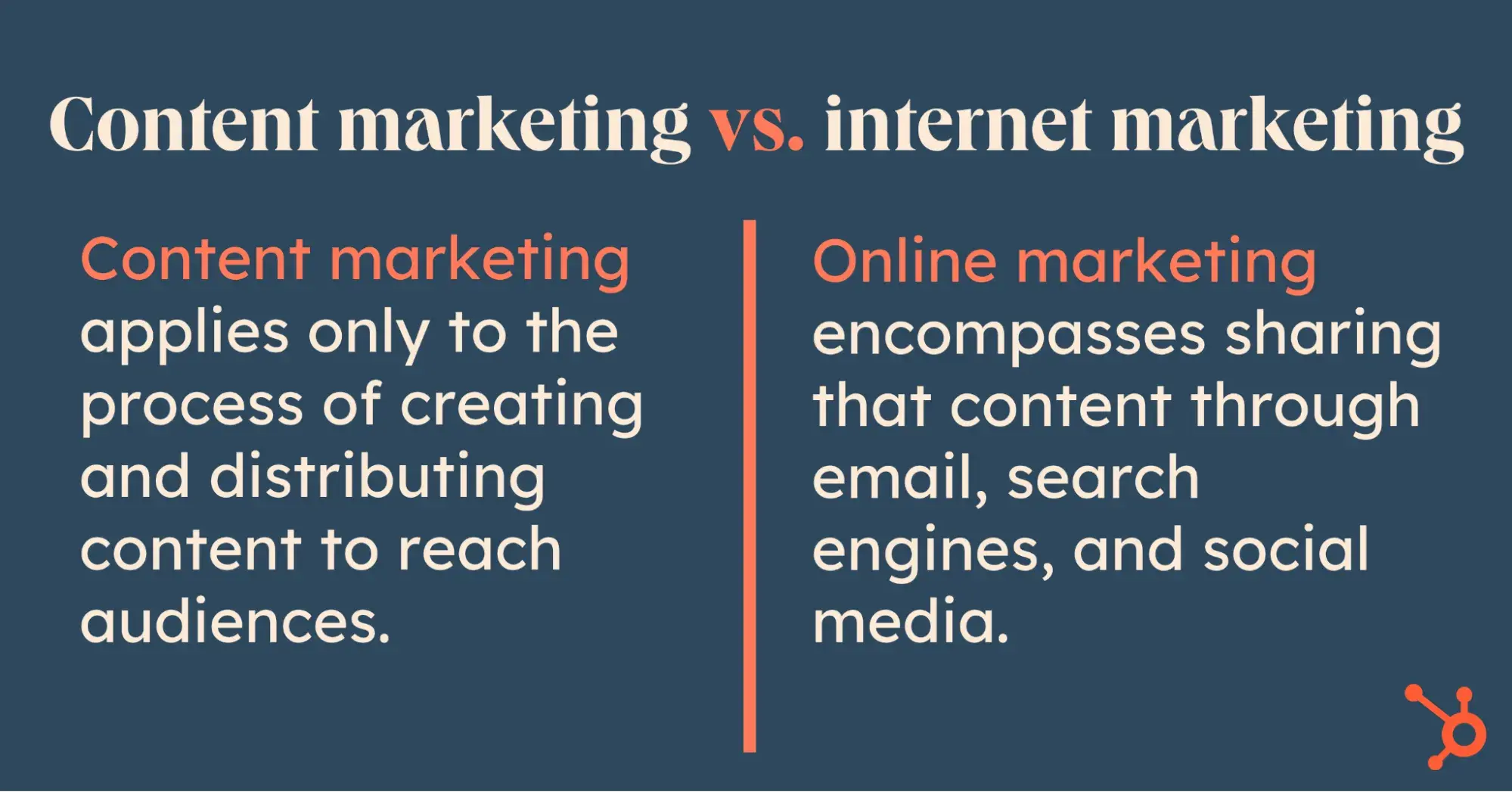
Content marketing lives under the roof of online/internet marketing — which means online/internet marketing is the more broad, overarching strategy, and content marketing is one process within that strategy.
- Content marketing applies only to the process of creating and distributing content to reach audiences.
- Online marketing encompasses sharing that content through email, search engines, and social media — it also includes paid advertising, retargeting, and a wide range of strategies you might use to reach audiences online.
While most of the strategies that fall under online marketing have to do with content creation, online marketing also pertains to the non-content creation tasks of internet marketing such as PPC bidding, or website design.
Internet Marketing Strategy
- Lean into short-form video content.
- Post videos on YouTube or other social networks.
- Keep TikTok in mind.
- Find influencers to work with your brand.
- Humanize your brand using brand values.
- Repurpose content across various channels.
- Invest in permanent social media content.
- Design a user-friendly website.
- Optimize your site for search engines.
- Use email marketing or opt-in email campaigns.
- Write online press releases.
- Create a blog.
- Develop social media contests and campaigns.
- Leverage pay-per-click (PPC) advertising.
- Optimize your site for conversions.
- Create a Facebook group.
Here are 16 strategies you‘ll want to employ to ensure you’re successful at internet marketing.
1. Lean into short-form video content.
According to HubSpot’s 2025 State of Marketing report, not only is short-form video one of the most popular trends among marketers, but it’s also the most effective with an ROI of 21%.
Short-form video is expected to continue its growth trajectory, as visual storytelling is overtaking text-heavy content formats.
With the enduring popularity of TikTok, audiences are gravitating more and more toward short-form videos. Short-form videos continue to be the norm as Instagram and YouTube push similar short-form video features such as Reels and Shorts, respectively.
2. Post videos on YouTube or other social networks.
Video marketing is an undeniably powerful opportunity to reach new audiences and convert leads into customers.
In my opinion, saying that it’s currently “on the rise” would be an understatement. The average user spends 29 hours in the YouTube mobile app alone. In fact, 88% of video marketers say video has helped them generate leads, and 87% of people say that they‘ve been convinced to buy a product or service by watching a brand’s video.
Convinced yet? If not, simply consider the fact that YouTube is used by 52% of video marketers — which means, even if you're not posting videos on the channel, your competitors possibly are. Half of the marketers who use YouTube also report that it provides the highest ROI of all social marketing channels.
You'll want to diversify the type(s) of content you produce to attract audiences who prefer video over text, or YouTube over X.
Consider how you might implement your own video strategy to reach and convert new audiences. If you‘re not sure where to start, check out HubSpot’s guide on YouTube marketing.
3. Keep TikTok in mind.
TikTok’s popularity isn’t expected to wane anytime soon. While Facebook, Instagram, and YouTube have the highest ROI for B2B businesses, TikTok is quickly becoming the app to invest in.
In our 2025 State of Marketing report, we found that Facebook, TikTok, and YouTube will remain strong for both B2B and B2C brands. B2B marketers (14%) plan to invest more in LinkedIn, and B2C marketers (10%) in TikTok, reflecting how shoppers research new products and services personally and professionally.
4. Find influencers to work with your brand.
I‘m currently wearing a watch I found on Amazon. I’m sitting on a couch from Wayfair, with a candle from Anthropology on the table in front of me. Where did I hear about all these products? Influencers.
In 2024, 24% of marketers reported using influencer marketing surveyed for our 2025 State of Marketing report said they are seeing the highest ROI from influencers on 1) Facebook (28%), 2) Instagram (22%), and 3) YouTube (12%), and brands most commonly spend 50-74% of
their marketing budget on influencers or content creators.
The best part is you can use influencer marketing effectively with short-form video, and take advantage of these two top ROI trends at the same time!
On top of all that, our consumer trends survey shows that 27% of Gen Zers have bought a product based on an influencer’s recommendation in the past three months. And when they’re making purchase decisions, Gen Z says influencer recommendations are more important than recs from their friends and family.
Social media influencers have cultivated strong, meaningful relationships with their followers. Their followers typically trust them to provide true, reliable guidance on a range of topics related to the influencers' expertise. This is why influencer marketing can be an effective opportunity to spread brand awareness to new audiences.
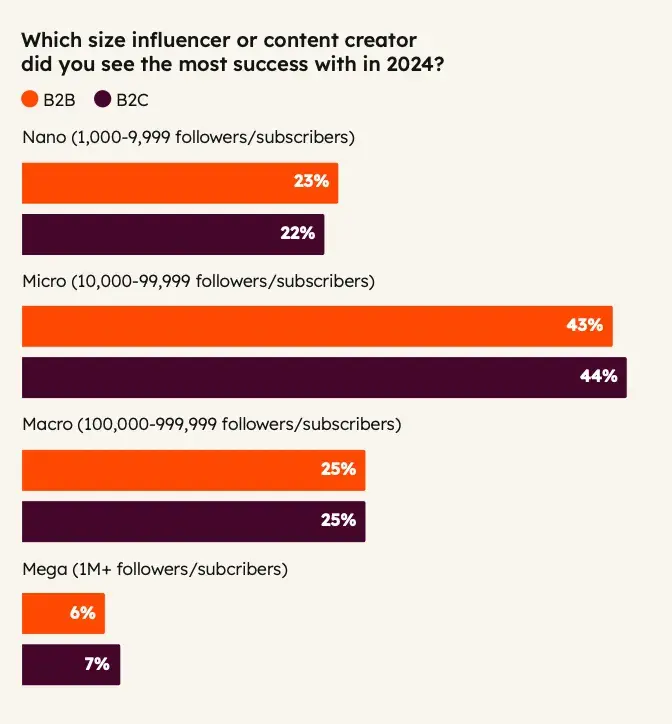
If you think influencer marketing could be a good choice for your business, consider micro-influencers as a more effective (and oftentimes more cost-efficient) option. Micro-influencers often experience higher engagement rates than mega-influencers.
We found that 62% of the influencers who inspired social media users to buy had under 10,000 followers, and 25% had even fewer – under 1,000.
Naturally, it can be expensive and time-consuming to find the right influencer(s) for your brand. If you're going to invest in the strategy, consider working with the same few influencers for the long-term — which enables your company to build stronger relationships with their social followers.
5. Humanize your brand using brand values.
AI has taken the internet by storm, swamping it with generic, meaningless content. While generative AI has many advantages, 60% of marketers using it for content worry it might hurt their brand.
Concerns include bias, plagiarism, or content that doesn’t match the brand’s values. This is a valid concern as content reflecting brand values has an ROI of 13%, which is the second highest after short-form videos.
Iñigo Rivero — former strategy and partnership manager at TikTok and founder and managing director at TikTok marketing agency House Of Marketers — agrees that brands should invest in their image.
“Success in internet marketing begins with authenticity. In my experience, creating content that tells a story or offers value draws people in naturally,” Rivero says.
He explained to me that it’s not “just” about promoting a product or service: companies should try to position themselves as problem-solvers. It’s about understanding your audience and connecting with them.
Rivero adds: “As I often say, ‘Marketing isn’t about selling; it’s about connecting and building relationships.’ When you listen to your audience and meet their needs, you foster loyalty that lasts.”
6. Repurpose content across various channels.
Repurposing content means re-using your existing content and presenting it in a fresh format that extends its lifespan and audience reach. Today, it’s one of the top AI use cases among marketers.
Examples of repurposing content include:
- Sharing old blog posts you’ve updated with new information, fresh data, and video content (Hint: The piece you’re currently reading is an update).
- Using video clips of podcast recordings sessions on Instagram to create intrigue and excitement over an upcoming episode.
If you’d like to learn more about repurposing content, here are 20 methods you should know about.
Content Marketing Planning Templates
Plan your content strategically with these handy templates.
- Editorial Calendar Template
- Buyer Persona Templates
- SWOT Analysis Templates
- SMART Goal Template
Download Free
All fields are required.
7. Invest in permanent social media content.
Permanent social media content is content that won’t disappear after a set amount of time, unlike Instagram Stories or SnapChat photos and videos.
A lot of the “disappearing” content you create might be simply too valuable to have it disappear within a few hours or a day. Luckily, you can now save Instagram Stories and pin them permanently to your company’s profile. Alternatively, you can create Reels, which are a permanent post by default.
8. Design a user-friendly website.
First, you want to create a user-friendly, and mobile-friendly, website. The design of your site will showcase your brand‘s personality and differentiate your business from every other online business. But it’s more than just looking good — a cleaner, more well-organized site structure can affect how you rank in the SERPS.
For help designing your website or ensuring it's up-to-par, check out 8 Guidelines for Exceptional Web Design, Usability, and User Experience.
9. Optimize your site for search engines.
Next, you‘ll need to keyword optimize your site for search engines. Essentially, this means you’ll choose keyword(s) that relate to your business, and incorporate those keywords into the URL, body text, image text, headers, and navigation bar.
For tips on keyword optimizing your entire site, check out On-Page SEO 101: Tips for Keyword Optimizing the Most Critical Parts of Your Website.
If you're interested in focusing on keyword optimizing your blog posts, consider reading Blog SEO: How to Search Engine Optimize Your Blog Content.
For a real-life example on how to successfully implement SEO into your digital marketing strategy, check out our case study on Canva.
10. Use email marketing or opt-in email campaigns.
Email marketing and opt-in marketing campaigns are one of the most effective long-term strategies to connect with potential customers and cultivate brand loyalty.
For everything from getting started with email marketing, to email marketing best practices and lead magnets, check out The Ultimate Guide to Email Marketing.
11. Write online press releases.
Writing online press releases is an additional way to increase online coverage of your business from other sources, which will also positively affect your ranking in the SERPs. Plus, if a local news outlet covers your business, you'll receive their audience, which you otherwise might not have reached.
To get started writing a press release for your business, consider How to Write a Press Release [Free Press Release Template + Example].
12. Create a blog.
I might be biased, but blogging is one of the best ways to attract a large audience to your site, establish your business as a thought leader in your industry, and prove your brand to be both useful and current.
Writing blog posts is especially effective for providing different opportunities to land on page one of search engines — for instance, maybe your eyeglass store's website is on page three of Google for “eyeglasses,” but your “Best Sunglasses of 2025” blog post is on page one, pulling in an impressive amount of traffic (over time, that blog post could also boost your overall website to page one).
To learn everything from choosing a domain name to writing your first blog post, check out How to Start a Blog: A Step-by-Step Guide [+ Free Blog Post Templates].
13. Develop social media contests and campaigns.
Social media contests and campaigns are exceptional opportunities to engage with your online audience, form relationships with customers, and learn about your buyer's persona.
For an overarching compilation on everything you need to know about social media campaigns — from how to craft perfect posts on Facebook to the most shared phrases on LinkedIn — take a look at Everything You Need to Know about Social Media Campaigns.
14. Leverage pay-per-click (PPC) advertising.
Pay-per-click advertising, or PPC, is an advertising model in which advertisers only pay when someone interacts with their ad through impressions or clicks.
PPC is most commonly used on search engines, and can help your business appear for searches related to your products or services. This is particularly important for more competitive keywords, when it's difficult to rank on page one against websites with higher domain authority.
Cache Merrill, founder of Zibtek, told me that the company had great success running retargeting campaigns through PPC social media and search engine campaigns. They used it to promote a free downloadable guide on software development best practices.
“By promoting the guide through these ad types, we attracted thousands of leads. Then, we used remarketing ads to re-engage users who didn’t initially convert.” Merrill said that this PPC campaign boosted conversions by 40% and reduced Zibtek’s cost per lead by 25%.
It‘s important to note that PPC doesn’t replace your SEO strategy: it simply complements it.
For instance, if you‘re trying to rank for "website builder," you’ll see the keyword difficulty is “super hard (95),” according to Ahrefs. However, there are some long-form keywords you might have success ranking for, including “what is a website builder? (52)” or “best website builders for ecommerce (57).”
If you do want to target “website builders,” you'll want to bid for an ad and use PPC to stand out against competitors.
15. Optimize your site for conversions.
Okay, you got readers to your blog or homepage … now what?
Ultimately, you'll want to invest in resources for conversion rate optimization (CRO). If you don't, you risk not being able to convert any of your traffic into qualified leads and, ultimately, customers.
There are four areas of your website that can benefit from CRO: the homepage, pricing page, blog, and landing pages.
Within a blog, a CRO strategy might include adding relevant calls-to-action throughout the text, or inviting readers to submit their emails in exchange for an ebook. On a pricing page, a CRO strategy might include a slide-out that invites viewers to book time with a sales rep or watch a demo.
Optimizing your site for conversions is a critical component of any strong internet marketing strategy.
16. Create a Facebook group.
A Facebook group — unlike a Facebook page — is an exclusive, private group that enables you to facilitate a sense of community surrounding your brand.
A Facebook group isn't a necessity for every business, but when done properly, it can go a long way towards creating a stronger relationship between you and your customers. Best of all, it can help foster connections between your customers.
Since having a strong community can help you build brand loyalty, it‘s important to seek out unique opportunities to engage directly with your customers. If a Facebook group doesn’t seem like a good fit for your business, however, there are other ways to create a sense of community — including via social media, or through a branded newsletter.
Finally, take a look at our Essential Step-by-Step Guide to Internet Marketing to dive deeper into the six essential steps of internet marketing.
How to Do Online Marketing
- Repurpose your high-quality internet marketing content across multiple channels.
- Lean into permanent social media content that doesn’t have a time limit.
- Choose the right keywords and optimize your site for search.
- Create a mobile-optimized site.
- Publish blog posts regularly.
- Conduct email marketing campaigns.
- Encourage conversation on social media accounts.
- Publish online press releases.
- Cultivate paid social media campaigns.
- Leverage pay-per-click advertising for competitive keywords.
- Post videos on YouTube or other social channels.
- Work with micro-influencers to reach new audiences.
There are many different methods to online marketing you can try to boost engagement for your brand. Here are ten that I recommend.
1. Repurpose your high-quality internet marketing content across multiple channels.
Like I said earlier, repurposing your content simply means reusing content you already have but in a fresh format. That reaction video you created on TikTok could be repurposed as a Reel on Instagram. If you change the caption on Reels, you can use the video to react to something else.
2. Lean into permanent social media content that doesn’t have a time limit.
Examples of permanent social media content include X posts, YouTube videos, and TikTok videos. Content such as Instagram stories are not permanent and disappear after a period of time.
3. Choose the right keywords and optimize your site for search.
Using keywords helps search engines, especially Google, categorize your content and ensure it reaches the right audience. It also helps your target audience find your website and services.
To optimize your site with the right keywords, use applications like Ahrefs that are designed to help you find the right keywords your audience is searching for.
4. Create a mobile-optimized site.
There are many ways to better optimize your website for mobile users, such as compressing images to reduce page load time, mapping your customers’ journey, or creating a mobile app.
5. Publish blog posts regularly.
Blogging consistently has many benefits. It keeps your website up to date with fresh content, maintaining the interest of your audience. It’s also an effective way to get your website to pop up on the first page of search engines. The more you post, the more content you’ll have for the search engine to rank.
6. Conduct email marketing campaigns.
In our recent survey to predict marketing trends, we found that email marketing is still a helpful approach to marketing your business online. According to our survey, the three most effective email marketing strategies are subscriber segmentation, message personalization, and email automation campaigns.
7. Encourage conversation on social media accounts.
Social media is the place where connections are made and conversations happen. Social media users don’t want to just interact with brands, they want to see the humanity behind the big name and logo.
A great way to create meaningful connections with the humans that make up your audience is to facilitate conversations.
8. Publish online press releases.
Like blogging, publishing online press releases will increase your presence on search engines and raise awareness of your brand. When writing press releases, remember to answer the “who,” “what,” “where,” and “why” of your brand. And make sure to use simple, understandable language as well as a quote.
9. Cultivate paid social media campaigns.
The idea of paying for advertising may seem a bit daunting, but paid social media advertising is one of the least expensive types of advertising. Paid social media ads can start as low as one dollar thanks to the bidding model and lottery system some platforms use to push ads to users’ news feeds and timelines.
Platforms that allow for paid advertisements are:
- X
- TikTok
10. Leverage pay-per-click advertising for competitive keywords.
Pay-per-click advertising (PPC) and SEO go hand-in-hand like peanut butter and jelly. Optimizing your website for keywords can definitely help your brand appear at the top of search engine results pages.
However, it requires patience, and you may not see results for weeks or months if you’re optimizing for highly competitive words.
But by leveraging PPC, you’ll be able to stand out among competitors by bidding for an ad.
11. Post videos on YouTube or other social channels.
YouTube is the second largest search engine on the internet, with the United States making for its second biggest audience in the world (with 238 million users). So, you can bet your prospects and customers frequently visits the site.
When creating content for YouTube, be sure to diversify your content in order to attract audiences who prefer video over text. You’ll also want to research keywords you can optimize your content for and use in your video’s title, description, and tags.
12. Work with micro-influencers to reach new audiences.
On apps like TikTok, brands are still struggling to find their place. However, influencer marketing has proven to be a helpful tool in helping brands elevate their online presence and find their target audience.
Businesses are seeing the most success with smaller, niche influencers. In fact, 47% of marketers report positive results from micro-influencer partnerships.
These influencers provide access to highly engaged, loyal audiences at a more affordable cost.
Maris Laatre, the CMO at Bully Max, finds this tactic especially effective. She said they partnered with a popular dog trainer and pet influencer who shared their positive experience using Bully Max’s products.
“As a result, our website traffic increased by 20% and we saw a 13% boost in product sales within a few weeks. Influencer marketing humanizes our brand and connects us directly with dog owners, creating stronger engagement and building lasting relationships with our audience,” says Laatre.
Content Marketing Planning Templates
Plan your content strategically with these handy templates.
- Editorial Calendar Template
- Buyer Persona Templates
- SWOT Analysis Templates
- SMART Goal Template
Download Free
All fields are required.
Online Marketing Examples
There are hundreds, if not thousands, of online marketing examples to inspire your next internet marketing campaign.
Here, I‘ll dive into real world examples of social media, email, SEO, and website marketing methods. I’ll also include links to additional blog resources at the bottom, for even more exceptional ideas.
1. Social Media: #TheFaceof10 from Dove
In 2024, Dove launched an educational campaign to raise awareness about the societal pressure young girls face to look a certain way. The campaign highlighted the troubling trend of young girls adopting multi-step skincare routines to maintain youthfulness and glow.
To combat this, Dove invited numerous influencers, dermatologists, and academic experts to help promote a healthier self-image among youngsters, with even Drew Barrymore supporting the initiative.
The campaign was focused mainly on social media, especially TikTok, where influencers shared videos showing what a child’s face should look like– bright and playful, decorated with colorful tints, glitter, and stickers, not retinol.

A TikTok video posted by Drew Barrymore putting glitter on her face was liked by 27k and got 396 comments – pretty impressive!

2. Social Media: Patagonia’s “Buy Less, Demand More” Campaign
One of the boldest campaigns I’ve seen in 2024 was one from outdoor wear and gear brand Patagonia. The company, which has always communicated its dedication to sustainability and eco-consciousness, decided to launch a series of Instagram and YouTube videos and posts with the #WornWear tag.
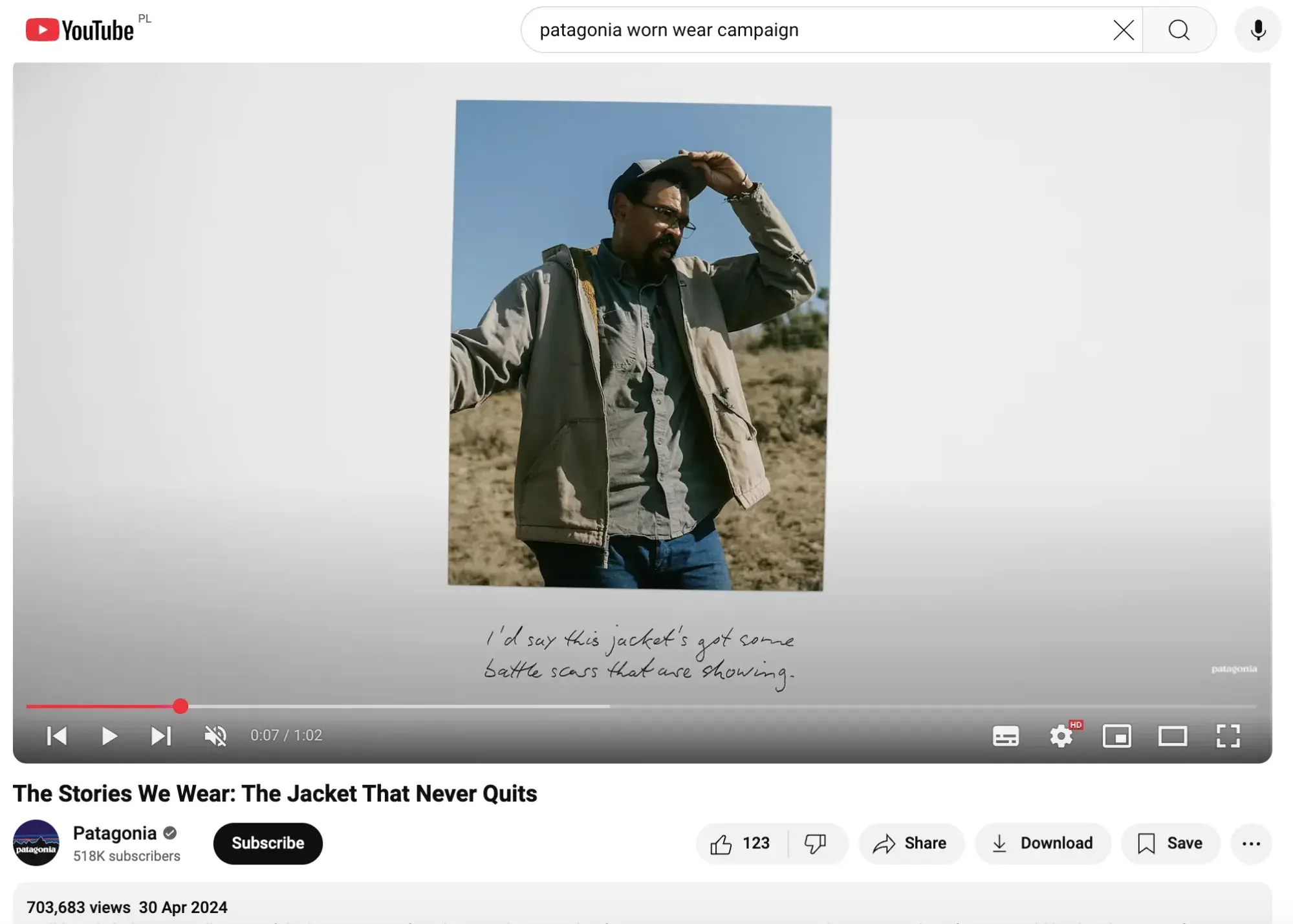
The message Patagonia wanted to convey was that not every piece of worn-out garment needed to be tossed into the garbage bin. Instead, they wanted to spread awareness on how to care for (and, when the time comes, repurpose) their favorite clothing.
For this purpose, they partnered up with sports people, activists, farmers, and other real-life Patagonia clients who shared their stories and how the company’s apparel accompanied them in their daily lives.
Each of the videos released to YouTube garnered hundreds of thousands of viewers, with some even exceeding 1M.
I personally think that this campaign is more than “just” an example of how to promote your brand online to the right customer.
Back in 2023. Patagonia was accused of producing their garments in the very same locations as fast-fashion brands, so it’s also a good case study of how a brand can recoup from a reputational crisis.
3. Email: Expedia
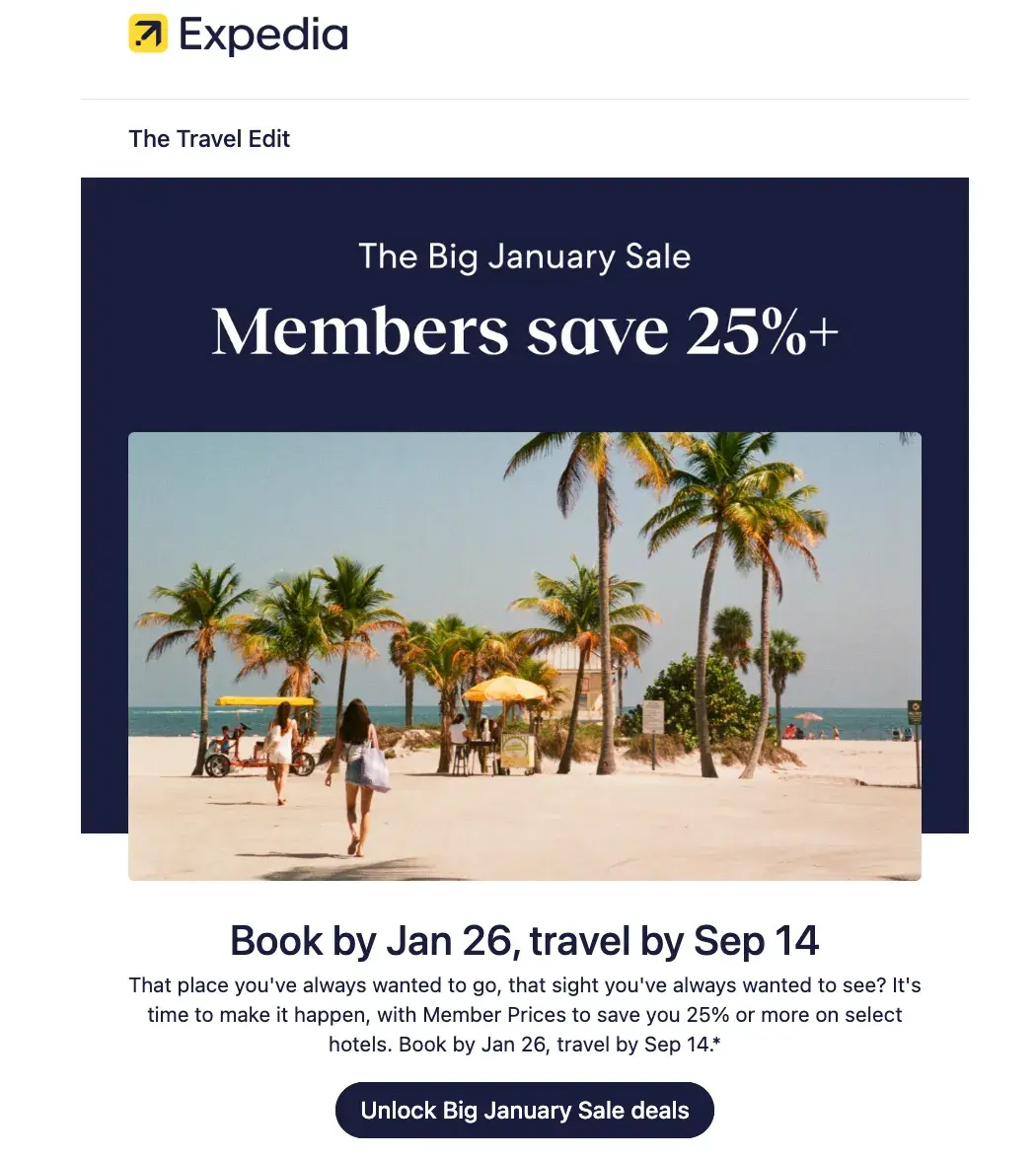
Companies often use email marketing to re-engage past customers, but a “Where'd You Go? Want To Buy This?” message can come across as aggressive, and you want to be careful with your wording to cultivate a long-term email subscriber.
This is why Expedia’s New Year promo re-engagement email works so well — it gets straight to the point by mentioning its “Big January Sale” in the email tagline, while simultaneously reminding an old email subscriber (and client of theirs) that they might want to check out some of the discounted deals for travels well into the following autumn.
4. SEO & Expert-Driven Content: Databox
Databox was one of the pioneers of expert-driven content. They’ve been creating expert roundups at least since 2018, when I used to regularly submit answers to their article roundups.
They created SEO articles packed with tips and advice from subject matter experts – the screen below is an example of a piece where 45 experts shared their take on a topic.
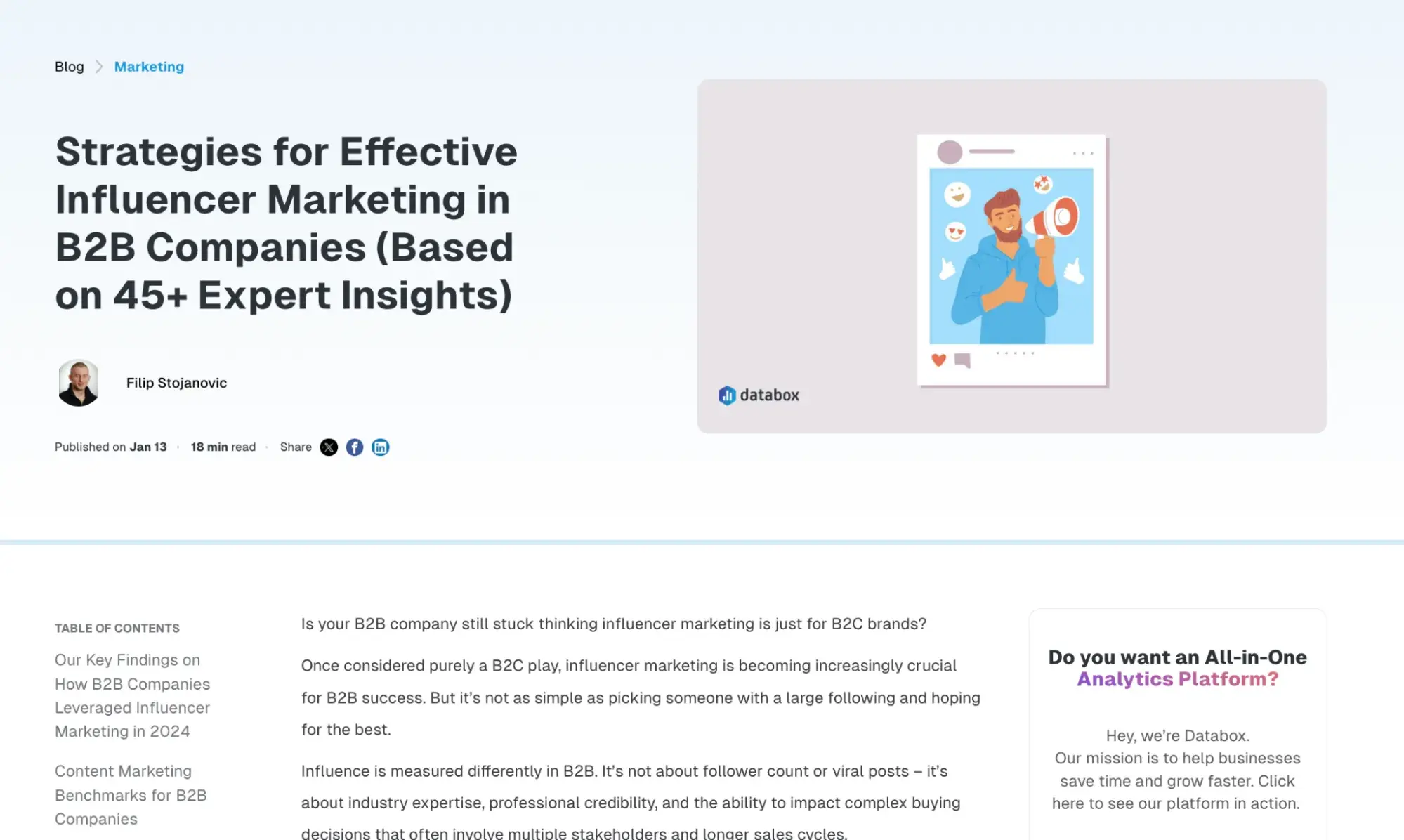
With this type of internet marketing content, there are at least two benefits.
Firstly, you please search engines, which are now prioritizing unique articles that share first-hand experiences. Secondly, if you feature tens of experts, you can also ask them to share the piece on their social profiles to grow your organic reach.
This is the type of approach I myself use when writing content.
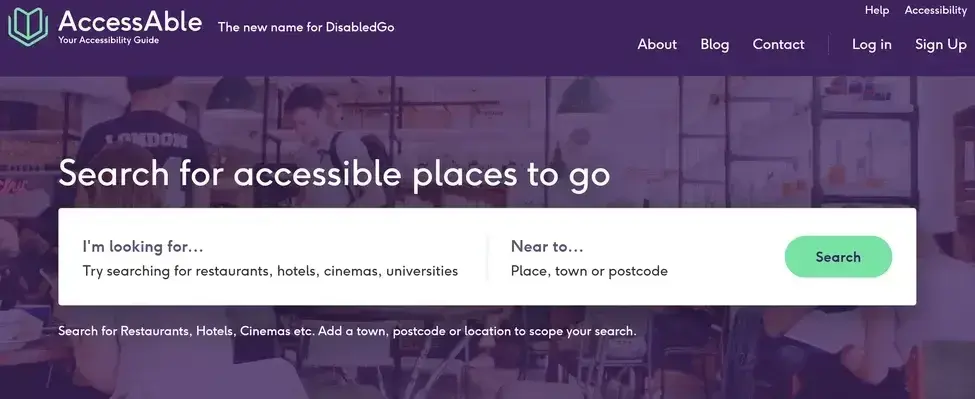
5. Web Design: AccessAble
AccessAble, an information provider for people with disabilities in the UK and Ireland, hired Agency51 to implement an SEO migration strategy to move AccessAble from an old platform to a new one.
By applying 301 redirects to old URLS, transferring metadata, setting up Google webmaster tools, and creating a new sitemap, Agency 51 was able to successfully transfer AccessAble to a new platform while keeping their previous SEO power alive.
Additionally, they were able to boost visitor numbers by 21% year over year, and the site restructuring allowed AccessAble to rank higher than competitors. Their case study is available on SingleGrain.com.
More Internet Marketing Examples:
- 19 of the Best Email Marketing Campaign Examples We've Ever Seen [+ Template]
- 5 Real Examples of Engaging Social Media Campaign Ideas
- The Best of B2B Marketing Content: 10 Examples
Top Online Marketing Tools
- Marketing Hub by HubSpot
- Buzzsumo
- Canva
- GTmetrix
- Ahrefs
- Buffer
- Facebook Insights
- SocialRank
- Trello
- Crazy Egg
- Google Keywords Planner
Whether you’re a seasoned marketer, or just starting out, there are plenty of tools available to help build your brand’s audience, including:
1. Marketing Hub by HubSpot
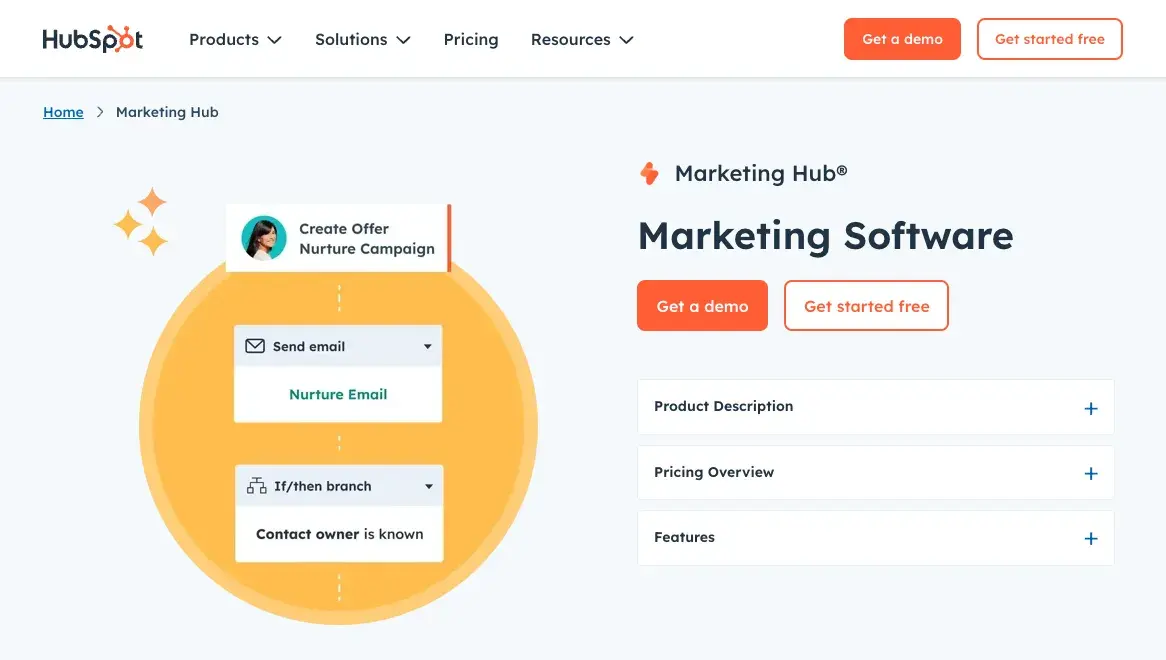
Since marketers are arguably now managing more channels (and campaigns) than ever before, they need a solution that’s quick and intuitive to use.
Marketing Hub is our AI-powered solution that uses our Smart CRM feature to bring all your customer insights together into one view. It helps you grow your company’s reach, capture leads, and grow your contact list. These can be used (you’ve guessed it) to nurture your prospects – whether through engaging newsletter content, free assets, or any other tactic of your choice.
Also, with its automation capabilities, Marketing Hub can make it much easier to reach out to your leads and customers at the perfect moment.
2. Buzzsumo
I love Buzzsumo because it can help you analyze what content performs best for any topic or competitor. Buzzsumo can report important metrics such as social shares, backlinks, and which influencers are sharing certain pieces of content.
You can also find influencer reports that give insight if you’re looking for a micro-influencer to promote your brand.
3. Canva
Canva makes designing infographics and materials for print, blogs, and social media simple, even if you don’t have much experience with graphic design. Its user interface is easy to navigate and includes thousands of customizable templates you can redesign to fit your brand’s aesthetic.
4. GTMetrix
This application tests your website’s performance, particularly its speed. If your website takes too long to load, you run the risk of deterring potential customers or clients from your brand. With GTMetrix, you can measure how long your website takes to load and what areas of performance need to be improved.
5. Ahrefs
Ahrefs is my favorite tool for finding the right keywords for optimizing my content. They offer tools for tracking keyword performance, analyzing your competitor’s keywords, web traffic, and more.
One of my favorite features has been the “content gap” tool, which shows the keywords our competitors rank for that we don’t.
6. Buffer
Posting multiple pieces of content across several different platforms can be overwhelming. Fortunately, applications like Buffer allow you to draft and schedule posts across multiple social media channels, such as Facebook, Instagram, Twitter, and Pinterest.
Furthermore, Buffer also offers social media reporting and functionality monitoring so you can track how your content is performing.
7. Facebook Insights
When I was a journalist, Facebook Insights played a key role in tracking how my articles performed. With a Facebook Insights dashboard, you’ll be able track user behavior and post performance on your Facebook Business Page.
This tool also reports important metrics like page views and post reach for paid and organic posts. It even recommends competitor pages to monitor.
8. SocialRank
SocialRank is an online tool that helps you manage your followers on X and Instagram. SocialRank offers a range of filters to better analyze your follower count. It can also search for new followers, get leads, and more.
9. Trello
As your business grows, so will its output and the projects it takes on. Therefore you’re going to need a tool like Trello that will help you manage it all.
With Trello, a project management tool, you can put all your team’s projects in one customizable space that can grow as your company grows. You can use Trello to conduct growth experiments, sales pipelines, and product feature road maps.
10. Crazy Egg
Crazy Egg is a website optimization software that offers A/B testing, heat mapping, and usability testing tools. We love its A/B testing tool because it allows you to test variations of every page on your website. All you have to do is copy one snippet of code to the pages you want to test.
You don’t need coding experience to use Crazy Egg, as the software is user-friendly for marketers at all levels.
11. Google Keywords Planner
If you struggle with finding the best keywords for your website, Google Keywords Planner is an excellent tool for you.
By putting in one keyword, multiple keywords, or even your website address into Keyword Planner, Google will show a list of related keywords along with simple metrics.
These metrics will gauge the competition around each keyword and how many searches it gets on both a global and local search level.
The Best Internet Marketing Content Strategies Add Value
As you can tell from this post, there are tons of internet marketing content strategies to choose from. Naturally, you shouldn’t aim to use all of them.
From my experience, it’s best to focus on the ones that work best for your business, given its size, the industry you’re in, and – ultimately – what your customers react to best.
This calls for a lot of experimentation, but will be well worth the effort. Whichever tactics you choose, just make sure they always add value not only for your business, but also your target audience.
Editor's note: This post was originally published in August 2018 and has been updated for comprehensiveness.
Content Marketing Planning Templates
Plan your content strategically with these handy templates.
- Editorial Calendar Template
- Buyer Persona Templates
- SWOT Analysis Templates
- SMART Goal Template
Download Free
All fields are required.

.jpg)




![24 Digital Marketing Tips That HubSpot Swears By [Research]](https://53.fs1.hubspotusercontent-na1.net/hubfs/53/digital-marketing-tips_0.webp)
.png)
![How Performance Marketing Works [+ 6 Tools You Can Use]](https://53.fs1.hubspotusercontent-na1.net/hubfs/53/performance%20marketing.webp)