Creating a marketing plan that clearly supports business goals is often harder than it sounds. I have seen how easy it is for marketing efforts to become reactive and disconnected from larger business priorities. That challenge is common. In fact, 74% of small and medium businesses say they lack confidence in their marketing strategies. So how does a business create a strategy that is clear, measurable, and built to support real growth?
![Download Now: Free Marketing Plan Template [Get Your Copy]](https://no-cache.hubspot.com/cta/default/53/aacfe6c7-71e6-4f49-979f-76099062afa0.png)
This guide breaks down how to create a marketing strategy with a clear framework for setting goals, understanding the audience, shaping positioning, and choosing the right tactics. It also walks through examples, practical steps, and tools such as HubSpot Marketing Hub that make the process easier to apply.
Table of Contents
- Marketing Strategy Process
- What is a marketing strategy?
- Types of Marketing Strategies
- Why is a marketing strategy important?
- Examples of Successful Marketing Strategies
- Best Marketing Tools to Execute Your Strategy
- Frequently Asked Questions About Marketing Strategy
What is a marketing strategy?
A marketing strategy gives a company a clear, documented plan for promoting its brand to the right audience. Unlike simple tactics or campaign ideas, the strategy connects big-picture business goals with specific decisions about:
- Who to reach.
- How to position the brand.
- Which channels to use.
- How to measure success.
Beginners often mix up strategy with tactics or marketing plans. Strategy sets the direction. It answers core questions such as:
- What does the company want to achieve in the market?
- Who needs this product or service most?
- How does the brand stand out from competitors?
- Which channels reach those people best?
- And what results prove the approach works?
A strong marketing strategy includes several connected pieces:
- Clear brand objectives tied to overall business growth.
- Detailed target audience personas based on real research.
- Positioning that highlights genuine differentiation.
- Selected marketing channels that fit both audience and goals.
- Key performance indicators that track progress and ROI.
Companies follow different types of marketing strategies depending on their situation. Some focus on growth through new customer acquisition. Others emphasize retention and loyalty. Certain strategies center on content and thought leadership, while others rely on performance-driven paid channels or community building. The best approach always aligns with the company’s size, industry, resources, and competitive landscape.
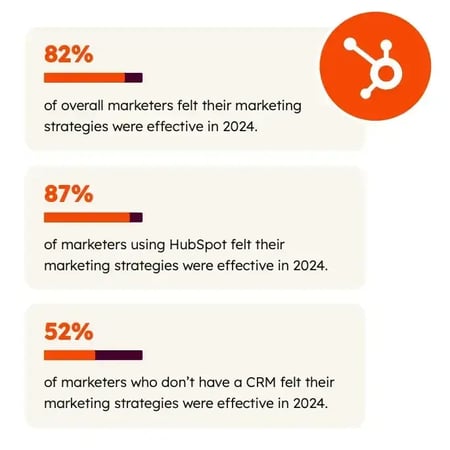
Marketers who build a solid strategy report stronger team alignment, easier decision-making, and clearer proof of business impact. In fact, research shows that 82% of marketers consider their marketing strategies effective when they document and follow them properly.
Free Marketing Plan Template
Outline your company's marketing strategy in one simple, coherent plan.
- Pre-Sectioned Template
- Completely Customizable
- Example Prompts
- Professionally Designed
Download Free
All fields are required.
Form not available
Types of Marketing Strategies
Companies choose different marketing strategies based on their current stage, available resources, and appetite for risk. One practical marketing framework that helps marketers evaluate options is Ansoff’s Matrix. This simple tool outlines four core growth routes. Each route balances potential reward against different levels of risk.
In my 12+ years helping companies build marketing strategies, I have discovered that teams who deliberately map their options against Ansoff’s Matrix make faster, more confident decisions and achieve stronger alignment with business leadership.
Market Penetration
Market penetration sells more existing products to the current customer base. This route strengthens promotion, improves branding, and adjusts pricing within familiar territory.
Market penetration carries the lowest risk because the company already knows the audience and the product. Many stable businesses choose this path when they want to increase market share without major changes.
Pro tip: Focus on small, incremental improvements to existing campaigns and loyalty programs.
Product Development
Product development creates new products or services for the existing customer base. Marketers identify unmet needs within their current audience and develop solutions that fit those needs.
This route requires solid research and innovation but stays within familiar territory. It works well for companies with strong customer relationships and a clear understanding of audience preferences. Risk stays moderate because the audience already trusts the brand.
Pro tip: Validate ideas early with quick audience surveys or feedback tools.
Market Development
Market development takes existing products or services into new markets or customer segments. Companies expand geographically, target new industries, or reach different demographic groups with the same offerings.
This approach demands fresh research into the new audience and adjustments to messaging and channels. Risk rises compared to the first two routes, yet the product itself remains proven. It fits companies ready to grow beyond their original customer base while keeping their core offerings intact.
Pro tip: Start with one new channel that matches the target segment’s behavior. HubSpot’s 2026 State of Marketing Report shows that website/blog/SEO (27%) and paid social media content (26%) deliver some of the strongest ROI during expansion efforts. Use this data to prioritize testing before full rollout.
Diversification
Diversification launches entirely new products for entirely new markets. This route combines the highest risk with the highest potential reward. Companies move into unfamiliar territory on both the product and audience sides.
Businesses usually choose diversification only after success with the other routes. It requires careful planning, significant resources, and the courage to risk failure. When executed well, diversification opens entirely new revenue streams and reduces dependence on a single market.
Marketers evaluate these four routes against their company’s growth stage, competitive position, and comfort with risk. A startup might begin with market penetration to build a strong base. A mature company with loyal customers often moves into product development or market development. Diversification typically comes later, once the business has established stability and resources.
Pro tip: Treat diversification as a calculated step instead of a leap. Pilot the new offering in a small test market first.
Marketing Strategy Components
- Marketing Objectives
- Marketing Mix
- Marketing Budget
- Competitive Analysis
- Audience Segmentation, Targeting, and Personalization Strategy
- Content Strategy
- Metrics & Key Performance Indicators
1. Marketing Objectives
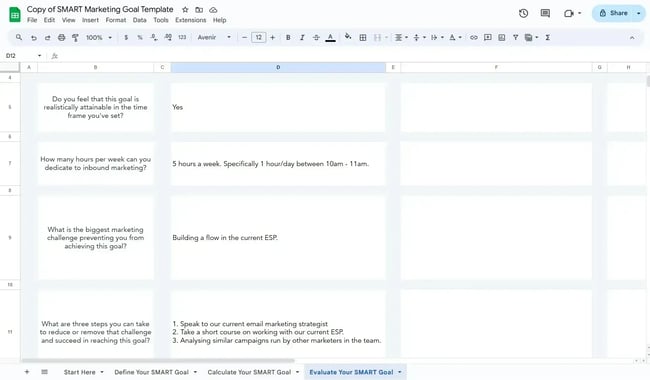
Believe it or not, “gaining more customers” isn’t the only marketing objective to consider. While one company may want to focus on lead generation and customer acquisition, another may want to increase brand awareness and industry authority. Others may prioritize customer engagement, loyalty, and referrals.
I always recommend that a team outlines their marketing objectives before building upon their strategy. Why? Because those goals will inform other components of the plan, including the budget and content creation process. With every objective, be as specific as possible. Aim to create SMART marketing goals divided by channel or promotional tactic. Goals can always be revised as priorities change, too.
2. Marketing Mix
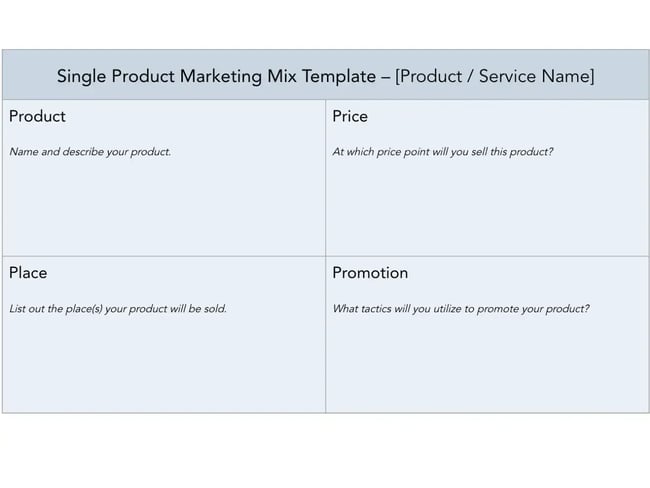
The marketing mix, also known as the four Ps of marketing, is the preliminary framework marketers must create to understand what they will be marketing, where they’ll be marketing it, and how they’ll be marketing it. Once teams have these broad strokes, they can extrapolate this information into a full-fledged marketing plan for each promotional channel. The following Ps make up this framework:
- Product: What are you selling?
- Price: What is the price?
- Place: Where will you be selling the product?
- Promotion: Where will you be promoting the product?
3. Marketing Budget

A marketing budget is an essential element of a company’s strategy. Without allocating funds to hire the right talent, use the right software, advertise on the right channels, and create the right content, a marketing strategy can’t succeed. To get a high return on investment, teams must first invest.
Pro tip: Teams can start small and hyper-focus the budget on one or two efforts. Then, they can build upon them once these efforts generate an ROI.
4. Competitive Analysis
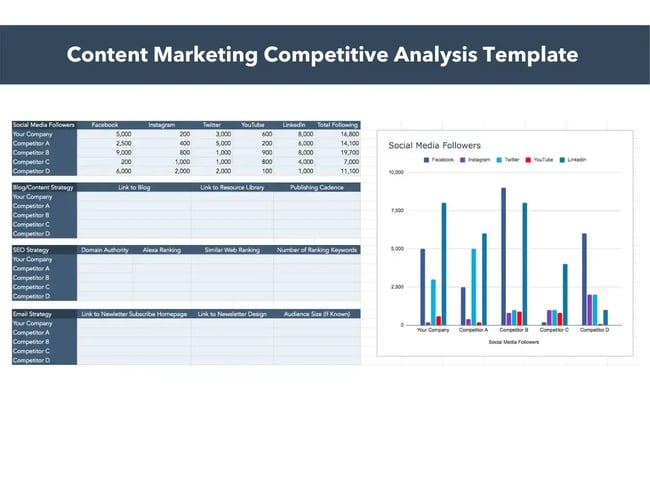
Knowing the competition is key when creating a marketing strategy. A competitive analysis shows a company where its marketing and positioning stand in relation to the market. Even if teams have an idea of who the competition is, it’s still a good idea to sit down and analyze them. By doing so, teams may uncover a surprise competitor who’s vying for their target buyer’s attention and engagement. It’s essential to map this information when creating a marketing strategy — grab HubSpot’s free competitive analysis template to get started.
5. Audience Segmentation, Targeting, and Personalization Strategy
![] how to create a marketing strategy, audience segmentation criteria, outlining, demographics, psychographics, lifestyle traits, and behavior](https://53.fs1.hubspotusercontent-na1.net/hub/53/hubfs/%5D%20how%20to%20create%20a%20marketing%20strategy%2c%20audience%20segmentation%20criteria%2c%20outlining%2c%20demographics%2c%20psychographics%2c%20lifestyle%20traits%2c%20and%20behavior.webp?width=650&height=374&name=%5D%20how%20to%20create%20a%20marketing%20strategy%2c%20audience%20segmentation%20criteria%2c%20outlining%2c%20demographics%2c%20psychographics%2c%20lifestyle%20traits%2c%20and%20behavior.webp)
Segmentation and targeting refer to the process of delivering more relevant, personalized messages to target audiences. In other words, rather than blasting out generic campaigns to everyone, teams use a methodical process to create content that resonates with specific audiences. The process is typically three steps:
- Identify the target audience. Carry out market research, interview customers, and create buyer personas detailing the audience’s needs, wants, and pain points.
- Target a segment of the target audience. It’s better to speak to a narrow group of highly qualified buyers than to send a message out to everyone.
- Outline a segmentation and personalization strategy. Teams should document how they will reach different audiences, including how AI and other tools will help them personalize at scale.
Personalized marketing is more important than ever: 96% of marketers report that personalized experiences have increased sales. Segmentation and personalization at scale are game-changers for B2B marketers using AI to boost engagement and conversion rates.
6. Content Strategy
Once the budget, competitive outlook, and targeting information are set, it’s time to create a content strategy. A content strategy should outline the content formats best for the audience and the goals for the content — whether that’s to educate, entertain, or generate conversions. First, teams should refer back to the marketing channels chosen in their marketing mix.
7. Metrics & Key Performance Indicators
Last but certainly not least, a marketing strategy must include metrics and key performance indicators (KPIs) to measure performance. The KPIs chosen will vary depending on the business type and preferred customer acquisition channels. Examples of KPIs include:
Why is a marketing strategy important?
A marketing strategy gives companies a documented, high-level plan that connects business goals with audience needs, positioning, channels, and measurement. Without this foundation, marketing efforts often become scattered experiments that waste budget and time. In contrast, a clear marketing strategy turns first-time visitors into loyal customers and delivers measurable growth. Here are just a few of the top reasons I think a marketing strategy is essential.
Offers Direction
A marketing strategy outlines clear goals and maps the path to achieve them. It aligns every marketing activity with overall business objectives, so teams move in the same direction.
Research shows that marketers who document their strategy are 313% more likely to report success than those who do not. This alignment reduces internal confusion and helps teams prioritize initiatives that actually support growth.
Targets the Right Audience
A well-defined marketing strategy helps businesses identify and deeply understand their target audience. With this knowledge, companies tailor messaging and positioning to reach the right people at the right moment.
The Content Marketing Institute’s B2B Content Marketing: 2025 Benchmarks & Trends report (based on a survey of 1,186 global marketers, primarily B2B) shows that audience understanding is the number one factor that top performers credit for success.
This finding doesn’t surprise me in the slightest. I know from experience that knowing exactly who the target is makes my job not only easier but also much more effective.
Builds Brand Identity
A marketing strategy creates a consistent and cohesive brand identity. It ensures all marketing initiatives reinforce the same core message and values. This strengthens recognition and builds long-term loyalty.
Pro tip: When developing a marketing strategy, dedicate one section specifically to brand voice, visual guidelines, and core values. Review every campaign against this document before launch. This single practice dramatically reduces off-brand content and accelerates recognition in crowded markets.
Maximizes ROI
Analysis of market trends, competition, and customer behavior points companies toward the most effective channels and tactics, so every dollar invested generates better returns. Recent industry analysis shows that companies without a documented marketing strategy waste an average of $847,000 per year on tactical efforts that don’t drive revenue.
Evaluates Performance
Defined key metrics and performance indicators from day one make it straightforward to track results and adjust future efforts. By consistently reviewing performance indicators, it is possible to identify shifting trends and pivot resources toward the most effective tactics before significant time is lost.
Pro tip: Start the process by documenting the current state of alignment, audience understanding, and performance tracking. This single step often uncovers quick wins that improve results within the first quarter.
Marketing Strategy Process
- Conduct market research.
- Define your goals.
- Identify your target audience and create buyer personas.
- Conduct competitive analysis.
- Develop key messaging.
- Choose your marketing channels.
- Create, track, and analyze KPIs.
- Create a content strategy.
- Create an AI strategy for marketing.
- Present your marketing strategy.
Step 1. Conduct market research.
Gather reliable data on customers, market trends, and industry conditions before making any strategic decisions. Solid research forms the foundation for every later choice.
Before creating the marketing strategy, gather useful data to make informed decisions. Market research is like playing detective, but instead of solving crimes, teams uncover details about their customers.
I believe that market research is important because it helps your business make data-driven decisions for your marketing strategy. It also makes it easier to understand your target market, find gaps, and make the most of your resources.
This process is essential for understanding customers and adapting to changing trends. This complete market research guide and template can help if teams are new to the process.
Pro tip: Use a mix of surveys, interviews, and existing industry reports. In my experience, teams that spend time here avoid costly assumptions later and make far better decisions.
Step 2. Define your goals.
Set specific, measurable goals that directly support broader business objectives. These goals provide direction and a benchmark for success.
What do you want to achieve through your marketing efforts? Well-defined goals will guide the marketing strategy, whether that’s increasing brand awareness, driving sales, or diversifying the customer base. Marketing strategy goals should reflect business goals. They should also offer clear direction for marketing efforts.
For example, say one of the business goals is to increase market share by 20% within a year. A marketer’s goal could include expanding into new target markets, updating the brand, or driving customer acquisition. Other marketing goals might be to increase brand awareness or generate high-quality leads. Companies may also want to grow or maintain thought leadership in their industry or increase customer value.
I find that defining clear goals provides direction and clarity, guiding marketing efforts toward desired outcomes. It helps with resource allocation, decision-making, and measuring the success of marketing initiatives.
Pro tip: Align every marketing goal explicitly with a business outcome such as revenue growth or market share. I recommend using the SMART framework to keep goals focused and realistic.
Step 3. Identify your target audience and create buyer personas.
Build detailed profiles of the ideal customers based on real data. Clear personas help shape messaging that actually resonates.
To create an effective marketing strategy, it’s important to understand who the ideal customers are. I suggest taking a look at the market research to understand the target audience and market landscape. Accurate customer data is especially important for this step.
But it’s not enough to know who the audience is — teams also need to understand what they want. This isn’t just their needs and pain points. It’s how the product or service can solve their problems. Create a buyer persona that’s a snapshot of your ideal customer to help define the audience.
Pro tip: Limit yourself to three to four primary personas at the start. My work with teams shows that too many personas dilute focus and complicate execution.
Step 4. Conduct competitive analysis.
Examine the main competitors’ strengths, weaknesses, messaging, and tactics. This step reveals opportunities to stand out.
To begin a competitive analysis, start with the top competitors. Reviewing their websites, content, ads, and pricing can help teams understand how to differentiate their brand. It’s also a useful way to find growth opportunities.
These competitive analysis templates walk through the process to find out which competitors are most important. They help teams find market gaps, spot trends, and figure out which marketing tactics will be most effective. Competitive analysis can also offer valuable insights into pricing, positioning, and marketing channels.
Pro tip: Create a simple comparison table that covers positioning, channels, and pricing. Teams that do this regularly spot gaps faster and differentiate more effectively.
Step 5. Develop key messaging.
Craft clear messages that highlight your unique value and speak directly to your audience’s needs. Strong messaging ties together all previous research.
Now, it’s time to share your brand’s unique value proposition. In this step, teams craft key messaging that shows the benefits of their product or service that resonate with their target audience. This process should show off the research and work the teams have done up to this point. It should also incorporate their creativity, inventiveness, and willingness to experiment.
In my experience, well-crafted key messaging:
- Sets businesses apart from the competition
- Resonates with the target audience
- Is flexible enough to be consistent across all marketing channels
- Builds brand credibility
- Creates an emotional connection with customers
- Influences buying decisions
The key messaging in a marketing strategy is critical to driving engagement, loyalty, and business growth. These value proposition templates can help if you’re not sure how to draft this important messaging.
Pro tip: Test two to three message variations with a small audience segment before finalizing them. Well-crafted messaging that resonates can dramatically improve engagement across every channel.
Featured Resource: How to Do Product Marketing Like a Pro: Strategy, Tips, & Examples
Step 6. Choose your marketing channels.
Select the channels where the target audience spends time and where you can deliver consistent value. Focus on quality over quantity. The top goal for this stage of the strategy is to align the channel choices with the target persona’s media consumption habits and interests.
Teams should start with the media channels they’re already using. Then, consider a mix of traditional and digital channels. The top channels used for marketing in 2025, according to Salesforce, are social media, website/app, digital ads, email marketing, and email.
%2c%20websiteapp%20(91%25)%2c%20and%20digital%20ads%20(90%25)..webp?width=650&height=319&name=How%20to%20create%20a%20marketing%20strategy%2c%20Top%20marketing%20channels%20used%2c%20led%20by%20social%20media%20(93%25)%2c%20websiteapp%20(91%25)%2c%20and%20digital%20ads%20(90%25)..webp)
For social media, you’ll need to determine which specific channels are best to reach the target audience. Consider the audience’s demographics when making a choice and limit yourself to social channels where you know you can produce high-quality, consistent content.
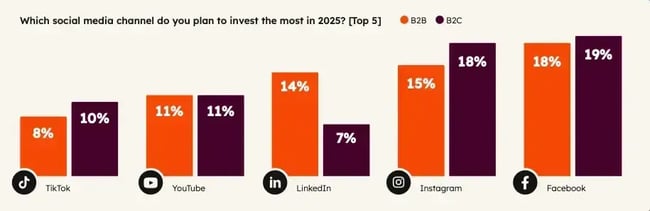
To streamline this process, think of assets in three categories — paid, owned, and earned media.
Paid Media

Paid media is any channel a team spends money on to attract its target audience. Most of this spending is on advertising. This includes online and offline channels like:
- Television/streaming
- Direct mail
- Out-of-home advertising like billboards
- Social media ads
- SEM (search engine marketing)
- Podcast advertising
Paid Social Ads Made Easy - Budget Tips & Tricks (Free Template)
Owned Media
Owned media refers to (mostly) online channels a brand owns, including:
It also refers to the media internal marketing teams create, such as:
- Videos
- Podcasts and audio content
- Ebooks
- Infographics
Earned Media
Another way to say earned media is user-generated content. Earned media includes:
- Shares on social media
- Posts about your business on X or Threads
- Reels posted on Instagram mentioning your brand
- Organic news stories about your company
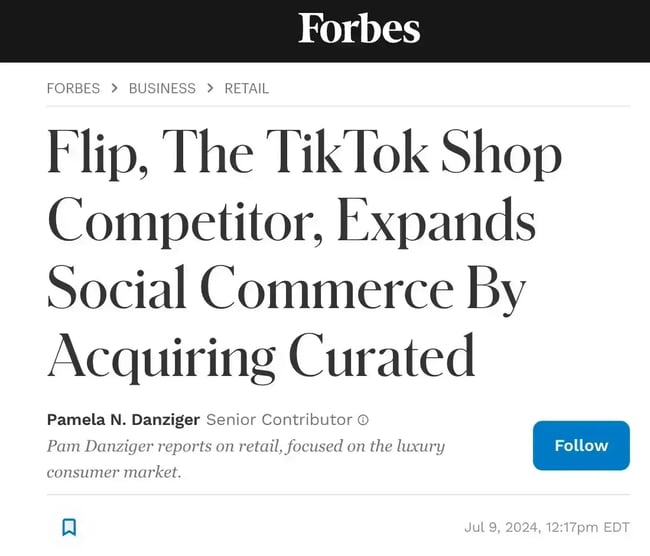
Look carefully at each channel to decide which is best for your team’s marketing strategy. Think about which channels are best for reaching the target audience, staying within budget, and meeting the company’s goals. For example, a business targeting a younger demographic, like Gen Z, might consider using TikTok or Reddit to reach its audience.
It’s also important to choose channels that are manageable for the team and budget. Eighty-two percent of small and medium businesses agree that using multiple marketing channels generates better results, but it’s important to avoid taking on too much. It’s much better to market on three channels well than on 10 channels poorly.
I suggest looking at your content strategy as a whole to get a clear vision of how you can integrate different content formats and channels into your strategy. For example, say you already have a blog that’s rolling out weekly content in your niche (owned media). You might consider promoting your blog posts on Threads (owned media), which customers might then repost (earned media). Ultimately, that will help create a better, more well-rounded marketing strategy.
Pro tip: Start with no more than three to four channels that best match the audience’s habits and the team’s strengths. Mastering a few channels produces better results than spreading efforts too thin.
Step 7. Create, track, and analyze KPIs.
Define the metrics that will show whether the strategy succeeds. Choose tools that allow for measuring performance across all chosen channels. At this stage, a marketer shifts from marketing detective to numbers nerd. With a little planning and prep, the analytics can unveil the mysteries of marketing performance and unlock super insights.
Review the strategy and choose measurable KPIs to track the effectiveness of your efforts. Pick a marketing analytics software solution, like HubSpot’s Marketing Analytics and Dashboard software, that works for your team to collect and measure your data.
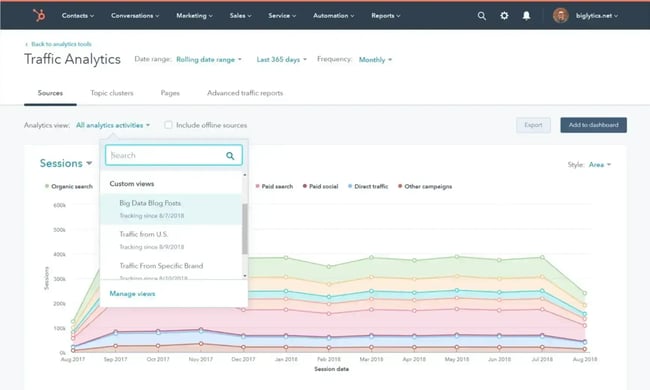
I recommend choosing an analytics platform that allows teams to track data across all of their marketing channels, from emails to social media and the website. This centralizes all of the data, which makes it easier to understand how each channel contributes to the overall strategy.
Check and analyze the performance of your strategy over time and identify the channels that bring the best results. This can help refine the approach based on results and feedback.
Lexi Boese, an ecommerce growth strategist and co-founder of The Digital Opportunists, recommends making data a priority when building your marketing strategy. “The more data you can use, the easier you can track your success,” she says. “This could be as simple as understanding which channels convert the highest amount of customers (to determine how your team should prioritize ad spend), or assessing whether you have a higher amount of first-time or returning customers to [determine] if you should focus on internal or external marketing.”
Pro tip: Set up dashboards early to review progress monthly. Teams that track KPIs consistently make faster adjustments and demonstrate clearer impact to leadership.
Step 8. Create a content strategy.
Plan the types of content, formats, and cadence that will support goals and messaging. A good content strategy brings a marketing plan to life.
A content strategy should outline the type of content you’ll share, goals, how often, and editorial calendars for planning content. Think of a content strategy like a plan for how the company wants to communicate with people through social media posts, blog articles, videos, or even emails. At this point, the team knows who they want to reach, but this determines how they’re going to say it and in which format.
In 2025, multimedia content and visual storytelling are king. According to the HubSpot State of Marketing, 30% of marketers use short-form videos as part of their content strategy, and 31% say it generates the highest ROI of all content creation formats.
%20and%20b2c%20(purple)%20preferences..webp?width=650&height=215&name=how%20to%20create%20a%20marketing%20strategy%2c%20bar%20chart%20illustrating%20media%20formats%20for%20content%20marketing%20strategy%20implementation%2c%20showing%20b2b%20(orange)%20and%20b2c%20(purple)%20preferences..webp)
It’s even more essential to invest in formats that have a high ROI, such as short-form video, audio content, and user-generated content. Consider adding podcast and audio content to the strategy: 91% of marketers planned to increase their investment in podcasts and audio content in 2025, and 46% of weekly podcast listeners have purchased a product or service after hearing about it on a podcast.
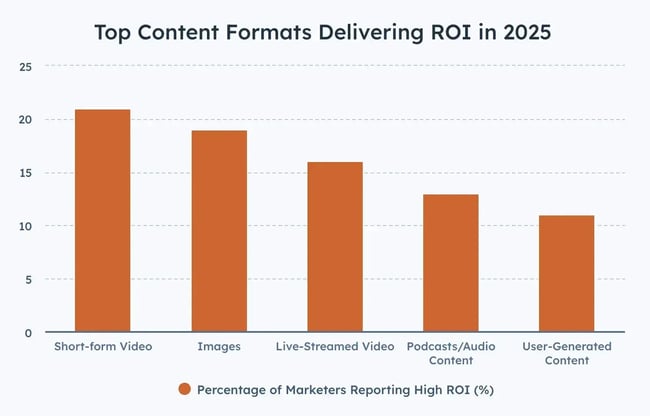
That doesn’t mean that teams shouldn’t invest in text-based content like SEO and blogging. It’s simply important to be strategic about where the most resources are allotted, especially if you have a limited budget.
Pro tip: Prioritize formats that match both audience preferences and the team’s ability to produce high-quality work consistently. Short-form video and audio often deliver strong returns when executed well.
9. Create an AI strategy for marketing.
Decide how AI tools will support specific parts of a workflow without replacing strategic thinking. Document clear use cases and guidelines. Forty-eight percent of marketing leaders have invested in AI tools for their teams, but just 47% of marketers have a clear understanding of how to use AI in their marketing strategy.
Let’s be clear, AI isn’t a marketing strategy on its own. It’s simply a tool that can make everything else — identifying buyer personas, creating personalized content, prospecting, and even analytics — faster and more effective. Seventy-five percent of marketers say they use AI to reduce manual task time, and 86% say that AI saves them over an hour a day.
Examples of AI in Marketing Strategy
- Analyzing your target audience and their wants, needs, and desire.
- Writing a first draft of emails, blog posts, or website content.
- Using buyer signals in your CRM to send hyper-personalized campaigns.
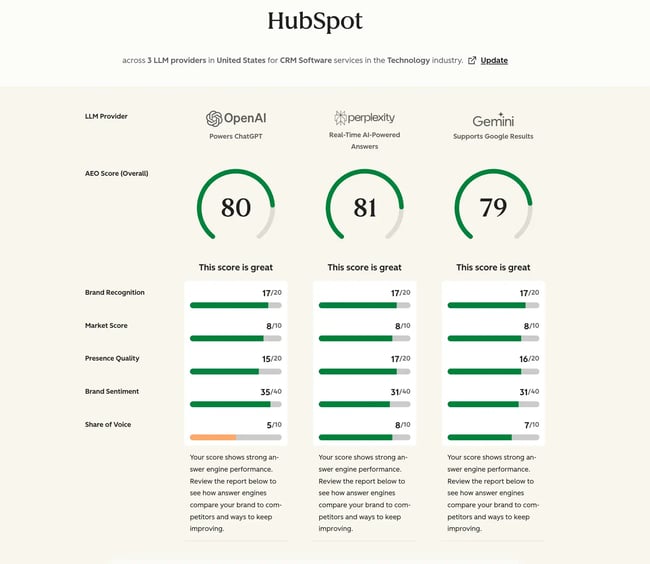
Pro tip: Use HubSpot AEO. Most marketers have no clear view of how their brand appears in answer engines. They rarely measure performance, track competitors, or know how to improve their visibility. HubSpot AEO solves this by delivering affordable, actionable insights into how your brand shows up in ChatGPT, Gemini, and similar tools.
For just $50 per month, you can track how your brand appears across ChatGPT, Gemini, and Perplexity. With HubSpot, marketers can also see competitor performance and get a prioritized list of recommendations to improve visibility. Content strategy can then build off a data-driven foundation instead of guesswork.
10. Present your marketing strategy.
Compile all elements into a clear, shareable document or presentation. Include an executive summary, timeline, and budget to help stakeholders understand and approve the plan. A finished marketing strategy will pull together the sections and components above. It may also include the following elements:
- Executive summary. A concise overview that outlines the marketing goals, target audience, and key marketing tactics.
- Brand identity. Teams may want to create a brand identity as part of their strategy. Brand positioning, voice, and visual identity may also be helpful additions to the marketing strategy.
- Marketing plan and tactics. The marketing plan is a compilation of the specific actions a team will take to achieve the goals in the marketing strategy. The plan may cover campaigns, channel-specific tactics, and more.
- Budget allocation. Defining a budget for a marketing strategy helps teams show that the planned resource allocation aligns with business goals. It’s important to get clear about spending and how the proposed budget will impact the company’s overall business goals.
- Timeline and milestones: Marketing strategies can be complex and difficult for stakeholders to understand. Creating a timeline that outlines the different tactics, milestones, and deadlines can help.
A marketing strategy is a living document. It will need constant reviews, revisions, and optimizations to meet a company’s long-term goals. Prepare to revise the marketing strategy at least once a year to address market trends, customer feedback, and changing business objectives.
For small businesses looking for a practical starting framework, this small business marketing guide offers helpful templates and checklists to complement the 10 steps above.
Pro tip: Keep the final document visual and concise. Use simple visuals and bullet points so busy leaders can grasp the strategy quickly and provide useful feedback.
Examples of Successful Marketing Strategies
Here are three recent campaigns that show how different media types deliver strong results when aligned with a clear strategy.
1. Paid Media: Reddit’s Targeted Ad Campaign with Superside (2025)
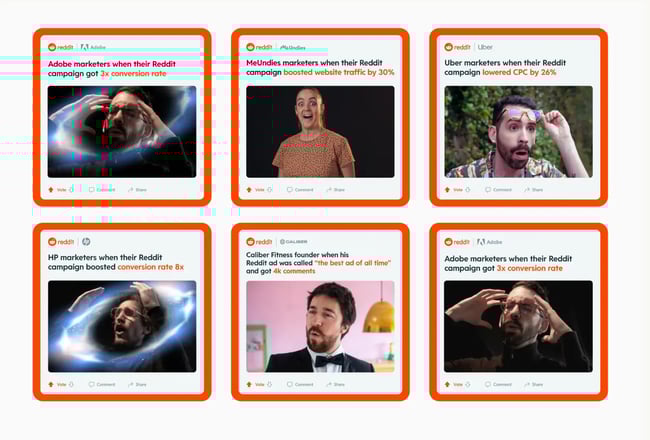
Reddit worked with creative agency Superside to create a series of platform-native paid ads promoting its advertising platform to brands. The team studied how Redditors actually communicate. Heavy on memes and authentic humor and produced creative assets that felt like they belonged on Reddit rather than traditional corporate ads.
These ads ran on LinkedIn and other channels, using case studies and meme-style visuals to demonstrate the value of advertising on Reddit. This example shows how even complex B2B products can succeed with well-executed paid media when the creative matches the platform’s native style.
Pro tip: When running paid campaigns, test native-style creatives that feel like they belong on the platform rather than generic ads. This small change often improves click-through rates and lowers cost per lead.
2. Earned Media: Duolingo’s “Dead Duo” Viral UGC Campaign (February 2025)

Duolingo surprised users by updating its app icon to show the green owl mascot Duo “dead” with Xs for eyes. The brand then challenged the global community to earn a massive collective total of XP through daily lessons to “revive” him. Users responded with thousands of memes, skits, TikTok videos, and emotional posts, turning the stunt into a two-week cultural moment that even drew attention from celebrities like Dua Lipa. The campaign turned customers into active promoters and generated billions of impressions through genuine participation rather than paid promotion.
Pro tip: Create shareable moments or challenges that give your audience a clear role. When users feel like co-creators, they promote the brand organically and with much higher authenticity.
3. Owned Media: Morning Brew’s Daily Newsletter and In-Depth Reports (2025–2026)
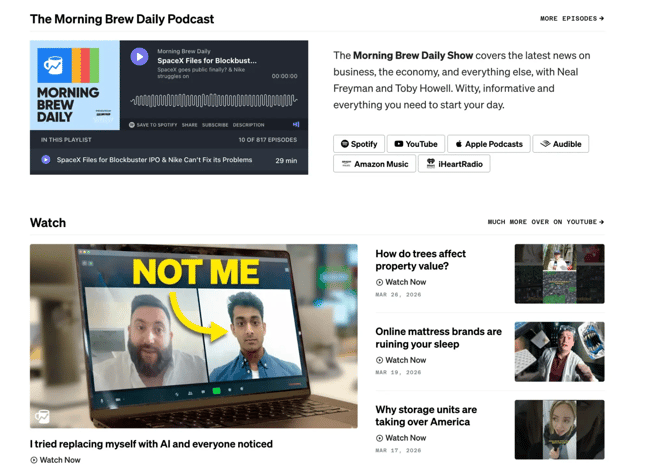
Morning Brew strengthened its position as a leading business newsletter by delivering sharp, witty daily emails that break down complex news into quick, digestible reads. The brand expanded its owned media with premium reports, community events, and segmented newsletters. Everything was tailored to different professional audiences, while maintaining a consistent voice that feels like a smart friend explaining the business world. This approach builds a self-sustaining content ecosystem that drives high open rates, subscriber loyalty, and long-term engagement without heavy reliance on paid channels.
Pro tip: Treat your owned media (especially newsletters) as a long-term relationship tool. Focus on consistent value and personality. Readers who look forward to your content become loyal advocates and are far more likely to engage with your other offers.
Best Marketing Tools to Execute Your Strategy
While a marketing strategy is essential to reach goals, that’s just step one. Teams need a robust tech stack to plan, manage, and execute a marketing strategy. Tools can make or break a company’s marketing efforts. Just over half of marketers without a CRM, for example, felt their marketing strategy was effective compared with 87% of those using HubSpot.
Here, I’ve curated a list of marketing and management tools to help you track and measure the success of your marketing goals.
1. HubSpot Marketing Hub
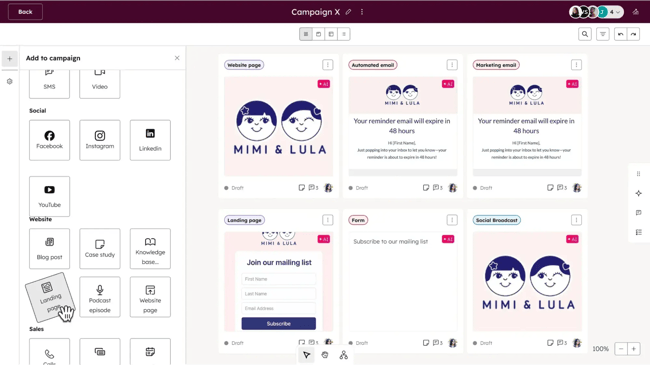
HubSpot’s Marketing Hub allows teams to connect all their marketing tools into one centralized platform, including social media, content marketing, and email marketing. HubSpot avoids the complexity and headaches of legacy CRM tools. With this tool, teams can attract users with blogs, SEO, and live chat tools. Then, convert and nurture those leads through marketing automation, the website and landing page builder, and lead tracking features.
Teams can analyze data and plan their next move with custom reporting and built-in analytics. HubSpot’s Breeze AI creates great content, automates workflows, and builds campaigns with AI-powered intelligence.
What I like: HubSpot Marketing Hub integrates with over 800 tools, making it easy to create a tech stack that meets your specific business needs.
Pricing: Free plans are available; Starter - $15/month; Professional - $800/month; Enterprise - $3,600/month.
2. Trello
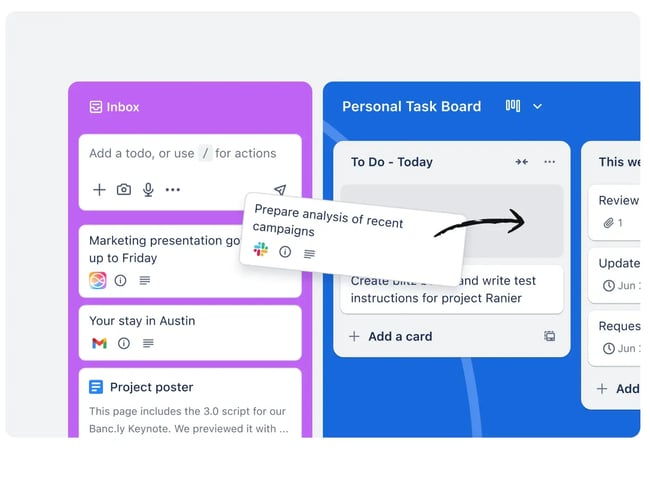
Trello keeps marketing teams on track and openly communicates about the projects they’re working on. Teams can create boards for individual campaigns, editorial calendars, or quarterly goals. Built-in workflows and automation capabilities keep communication streamlined, and simplicity keeps the marketing team focused on the work that matters.
What I like: Trello’s visual elements and straightforward organization make it easy for everyone to stay on the same page.
Pricing: Free plans available; Standard - $5/month; Premium - $10/month; Enterprise - $17.50/month for 250 users.
3. Monday.com
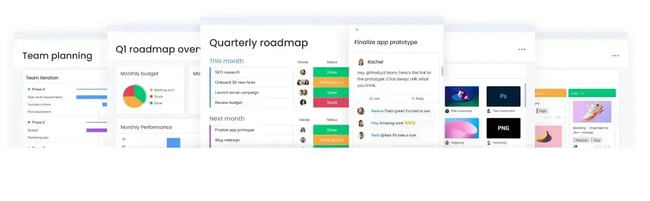
Everything on Monday.com starts with a board or visually driven table. Teams can create and customize workflows and keep groups, items, sub-items, and updates synced in real time. You can also transform data pulled from the timeline and use Gantt views to track projects on Monday.com to make sure deadlines are being met. Plus, with more than 40 integrations — from SurveyMonkey to Mailchimp and, of course, HubSpot — teams can visualize the data and make sure the whole company is collaborating.
Best for: Companies with locations around the world or lots of remote workers, as it keeps everyone in touch and up to speed, no matter where they’re located.
Pricing: Monday.com is free for two seats; $9/month/seat or $90/month for 10 seats; Standard - $12/month/seat or $120/month for 10 seats; Pro - $19/seat/month or $190 per month for 10 seats. Contact Monday.com for Enterprise pricing.
4. Semrush
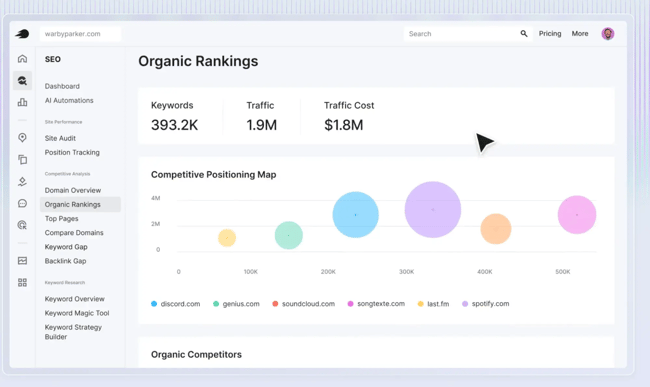
Good SEO continues to be important for websites to rank. But you need the right tools to do it successfully. Semrush allows teams to run a technical SEO audit, track daily rankings, analyze competitors’ SEO strategy, research millions of keywords, and even source ideas for earning more organic traffic.
What I like: The benefits don’t stop at SEO. I like that you can also use SemRush for PPC, building and measuring an effective social media strategy, content planning, and even market research.
Best for: Creating, implementing, and tracking a marketing strategy.
Pricing: Pro - $139.95/month; Guru - $249.95/month; Business - $499.95/month.
5. Buzzsumo
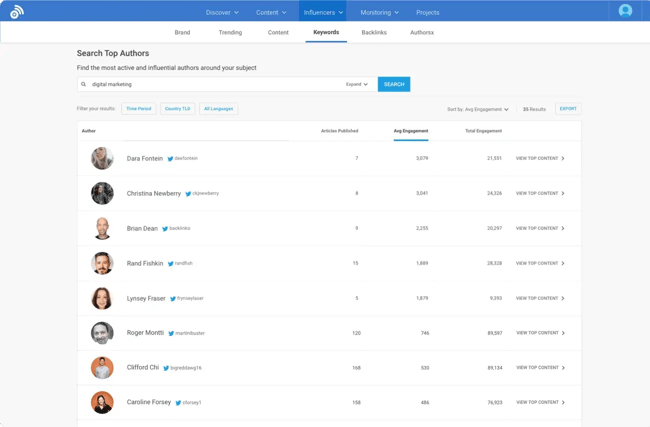
BuzzSumo analyzes data to enhance and lead marketing strategy, all while exploring high-performing content in your industry. Use the platform to find influencers who may help your brand reach, track comments, and find trends to make the most of every turn.
What I like: As your needs evolve, you can also use their crisis management and video marketing tools.
Pricing: Content creation plan - $199/month; PR & Comms plan - $299/month; Suite plan - $499/month; Enterprise plan - $999/month.
6. Crazy Egg
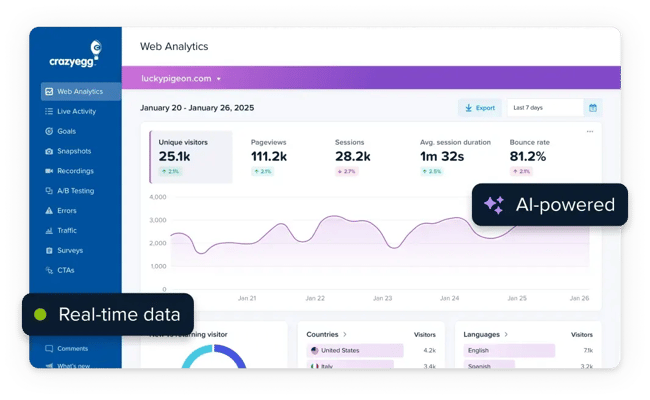
Crazy Egg is a tool that can optimize websites. It identifies “attention hotspots” on product pages, tracks ad campaign traffic on your site, and understands if shoppers are clicking where you want them to. You can even make sure your “Buy Now” buttons are in the best place. Crazy Egg offers recordings, A/B testing, and more to help make sure your website is offering the best user experience.
Best for: If your marketing strategy includes optimizing your website, Crazy Egg is the tool for you.
Pricing: Starter - $29/month; Plus - $99/month; Pro - $249/month; Enterprise - $499/month.
Frequently Asked Questions About Marketing Strategy
What are the 5 C’s of marketing strategy?
The 5 C’s of marketing are Company, Customers, Competitors, Collaborators, and Climate. This framework helps businesses analyze their internal strengths alongside external market factors like audience needs, rival tactics, third-party partnerships, and the overarching economic or legal environment. It provides a 360-degree view essential for identifying growth opportunities and potential risks.
By evaluating these five areas, a brand can ground its strategy in reality rather than assumptions. This situational analysis ensures that resources are allocated effectively and that the brand’s positioning is strong enough to withstand shifts in the competitive landscape.
How long does it take to see results?
Marketing results typically appear within weeks for paid advertising or social media, while organic growth like SEO or brand building usually takes six to twelve months. The timeline depends on the specific channels used and the consistency of the effort. Early stages focus on gathering data, with significant ROI appearing as efforts compound over time.
Patience is necessary because high-impact marketing relies on testing and optimization. While quick wins provide immediate momentum, long-term investments create a sustainable competitive advantage.
What’s the difference between a marketing strategy and a marketing plan?
A marketing strategy defines the high-level “why” and “what,” focusing on brand identity, target audience, and value proposition. In contrast, a marketing plan outlines the “how” and “when,” detailing the specific actions, timelines, and budgets needed to execute that strategy. The strategy acts as the compass, while the plan serves as the tactical roadmap.
While a strategy remains relatively stable to provide long-term direction, a plan is flexible and changes based on seasonal needs or market shifts. This distinction ensures that even as daily tactics evolve, the overarching business goals remain consistent. Both elements are required to move from a broad vision to measurable success.
How often should I update my strategy?
A marketing strategy should undergo a comprehensive review at least once a year to ensure alignment with shifting business goals and market conditions. Additionally, performing smaller quarterly pulse checks helps identify emerging trends or performance dips early. This frequency allows for major strategic pivots annually while maintaining tactical agility throughout the year.
Keeping the strategy as a living document prevents it from becoming obsolete in a fast-paced digital environment. Regular updates ensure that messaging remains relevant to the audience and that the business stays proactive. Consistent evaluation is the best way to turn market changes into a competitive advantage.
Get Started Creating an Effective Marketing Strategy
Ultimately, creating a complete marketing strategy isn’t something that can happen overnight. It takes time, hard work, and dedication to confirm you’re reaching your ideal audience — whenever and wherever they want to be reached.
Stick with it (and use some of the resources included in this post), and over time, research and customer feedback will help you refine your strategy to make sure you’re spending most of your time on the marketing channels your audience cares most about.
Free Marketing Plan Template
Outline your company's marketing strategy in one simple, coherent plan.
- Pre-Sectioned Template
- Completely Customizable
- Example Prompts
- Professionally Designed
Download Free
All fields are required.
Form not available
Marketing Strategy

-Dec-04-2025-05-17-34-7864-PM.webp)




![The state of inclusive marketing in 2025 [new data + expert insight]](https://53.fs1.hubspotusercontent-na1.net/hubfs/53/inclusive-marketing-report.webp)
![How marketers are navigating a possible recession (and advice about what you should do during it) [new data]](https://53.fs1.hubspotusercontent-na1.net/hubfs/53/image12-May-27-2025-02-18-19-8390-AM.png)